Home
Home


Weed Invasions
Designing future forestry: native nurseries or invader incubators?
What We’re Exploring
This project explores how the design and landscape context of mānuka and kānuka shrublands influence their resilience or vulnerability to woody weed invasion. It investigates the role of land use, ecosystem traits (such as size, age, and edge ratio), and species characteristics (like growth rate or shade tolerance) in shaping invasion dynamics.
Researchers are conducting national surveys and sowing experiments to understand how invasions unfold across space and time, and what makes some plantings more resilient than others. The findings will inform the design of future forestry systems that support native biodiversity while minimising invasion risks.
What We're Learning
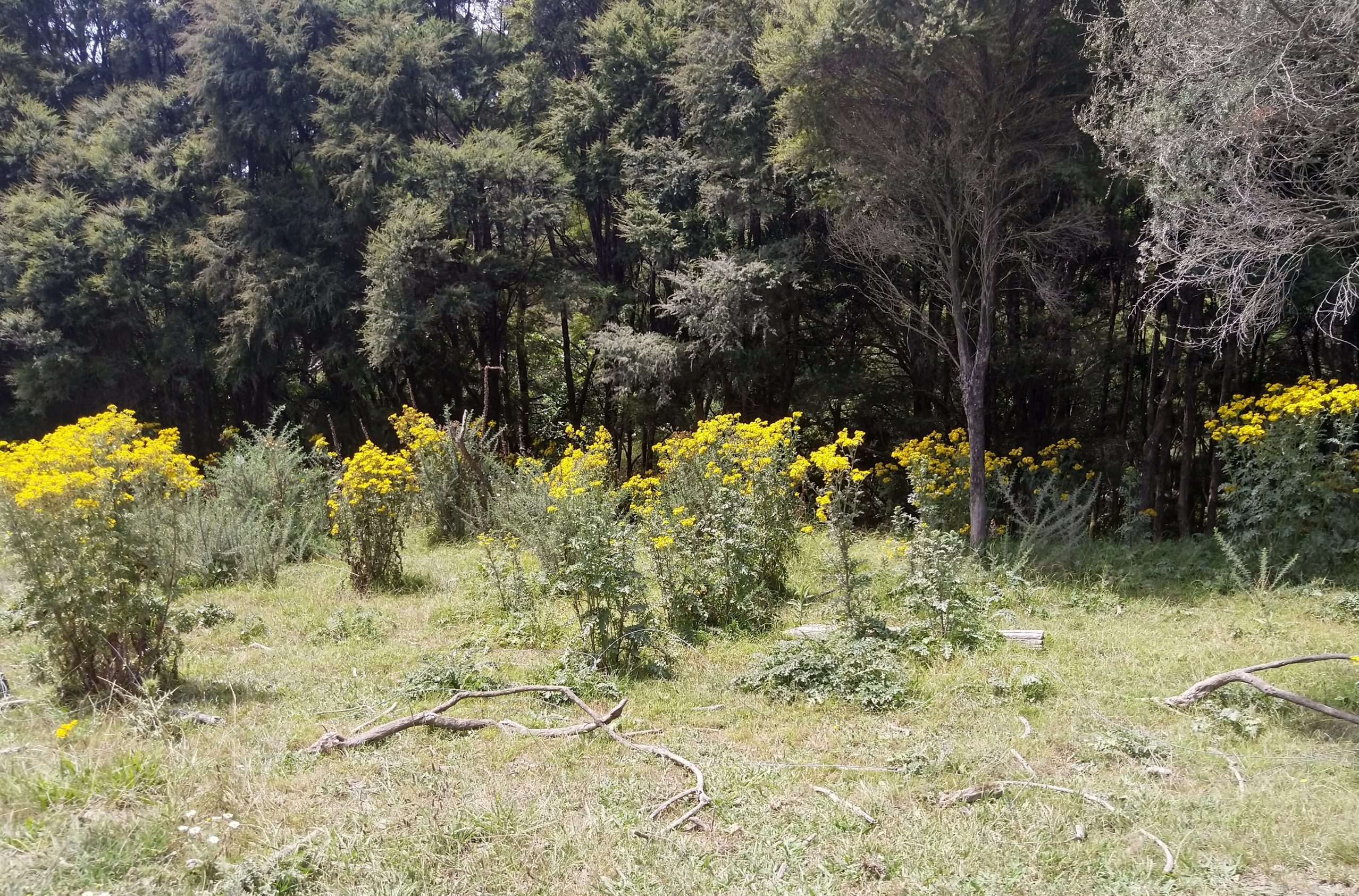
We set out to understand how multiple weed species impact mānuka-dominated ecosystems, which are particularly vulnerable during early succession. While most global research focuses on the effects of individual weed species, this study took a broader approach by examining three contrasting types: the allelopathic woolly nightshade, the nitrogen-fixing brush wattle, and the shade-tolerant tree privet. Findings from this work have led to practical recommendations that help managers prioritise weed control more effectively across invaded landscapes.
Research Projects
In progress
T1 | Weed Invasions
The interactions of co-occurring weeds and their impacts on native plants
Completed
T1 | Weed Invasions
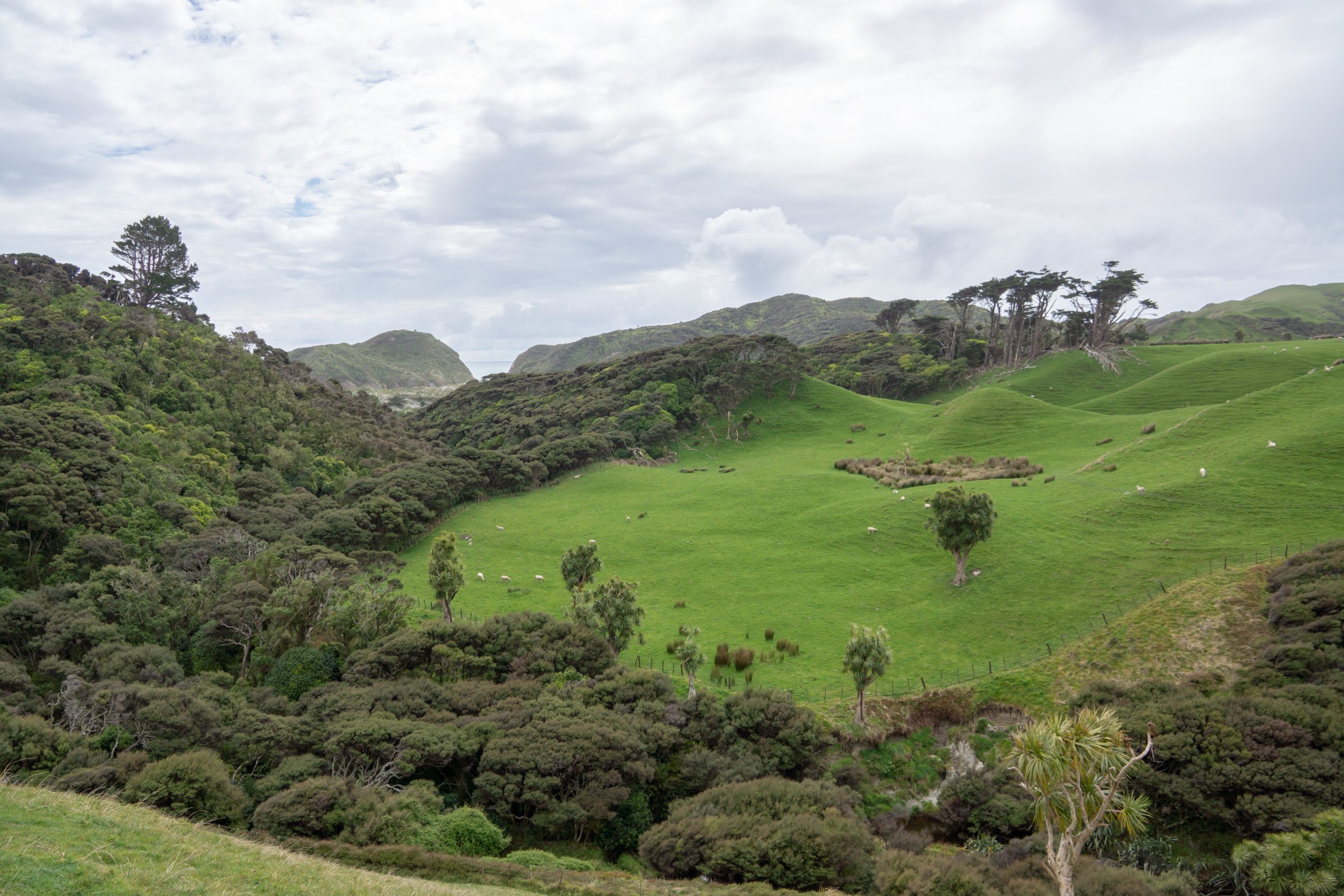
Non-native plant invasions in native forests and shrublands
In progress
T1 | Weed Invasions