 Home
Home28 January 2026

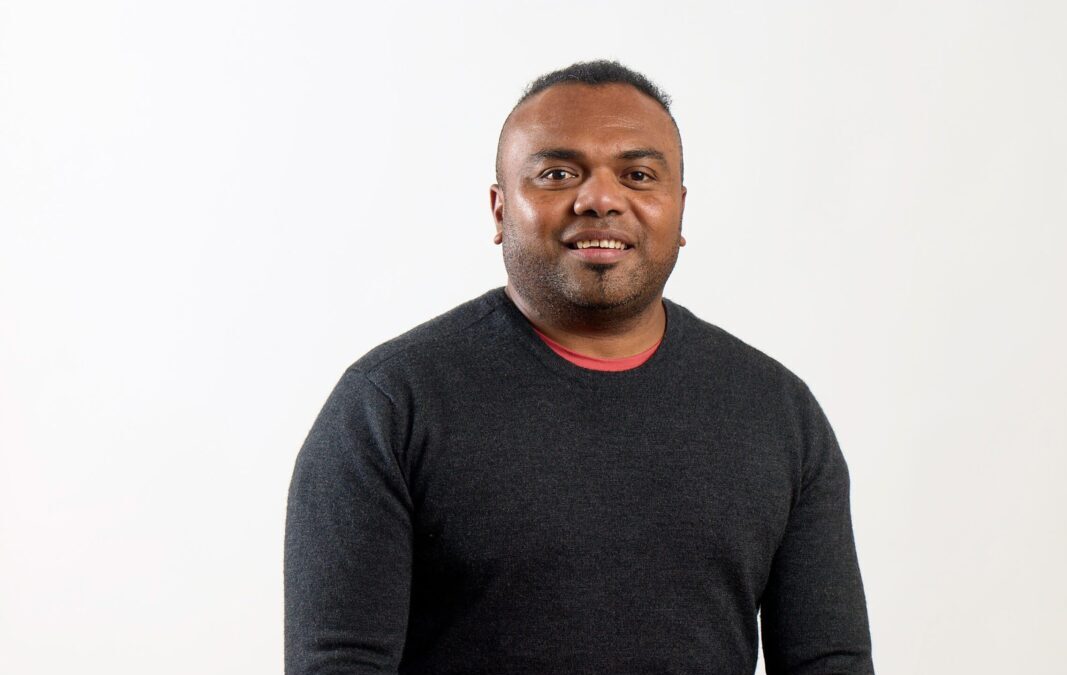
From left, Co-Director Peter Dearden, Annie Tuisuga (Scientific Research Organization of Samoa), Dr Suli Vunibola, and Director Amanda Black talanoa on research in Samoa.
The recent COP30 summit delivered a stark warning to Pacific Island nations: global climate diplomacy is failing them. With over 1,600 fossil fuel lobbyists swarming the talks and outnumbering vulnerable nations’ delegations 50-to-1, the petrostates shape the narrative and set the terms of conversation. In doing so, the voices and needs of countries like those in the Pacific are pushed aside while powerful fossil fuel nations continue to strengthen their influence and profit.
The resulting agreement of the COP30 summit, which failed to even mention fossil fuels, shows that the political will for a rapid phase-out does not exist within a system hostage to petrostates. For further context, our previous blog Rooted in the Pacific, Responding to the World outlines the significance of the International Court of Justice (ICJ) ruling for international climate accountability and highlights how we, as Pacific researchers, position our work within responsibilities to land, community, and future generations.
As Pacific researchers, we believe Pacific leaders cannot wait for others to act on our behalf and must adopt a pragmatic, dual-track strategy for climate resilience. First, they need to aggressively pursue climate finance as a legal obligation, using the groundbreaking ICJ advisory opinion that establishes states’ duty to protect the climate system.
The second, and perhaps more crucial track, is internal and sovereign. It requires leveraging our own moral authority and governance to implement national adaptation plans with urgency and invest in resilient systems that are community-driven.
“Pacific people, communities and ecological relationality sit at the heart of climate resilience.”
As part of this internally driven strategy, Pacific leaders must continue to hold fossil fuel states accountable at every international forum, calling out the actions and policies that threaten our communities and futures, while unapologetically building self-determination, forging alliances with sub-national governments, and partnering with private sector NGOs and research entities that are already moving faster than many national governments.
This call is not separate from our own efforts. Within Bioprotection Aotearoa (BA) we have been mobilising to support internal and sovereign actions in the Pacific through actionable research that supports community resilience and Pacific-based research organisations that support community impacts.
This approach rethinks the traditional fund-driven research model, where funders determine research priorities even though they have not lived through the hardships experienced on the frontline of the climate crisis.
What BA recognises is that Pacific people, communities and ecological relationality sit at the heart of climate resilience. Through Talanoa, listening to stories, understanding priorities, and asking how research can genuinely support community resilience in the face of multiple shocks, including the existential threats of the climate crisis, we identified pathways to build Pacific capacity through research and training.
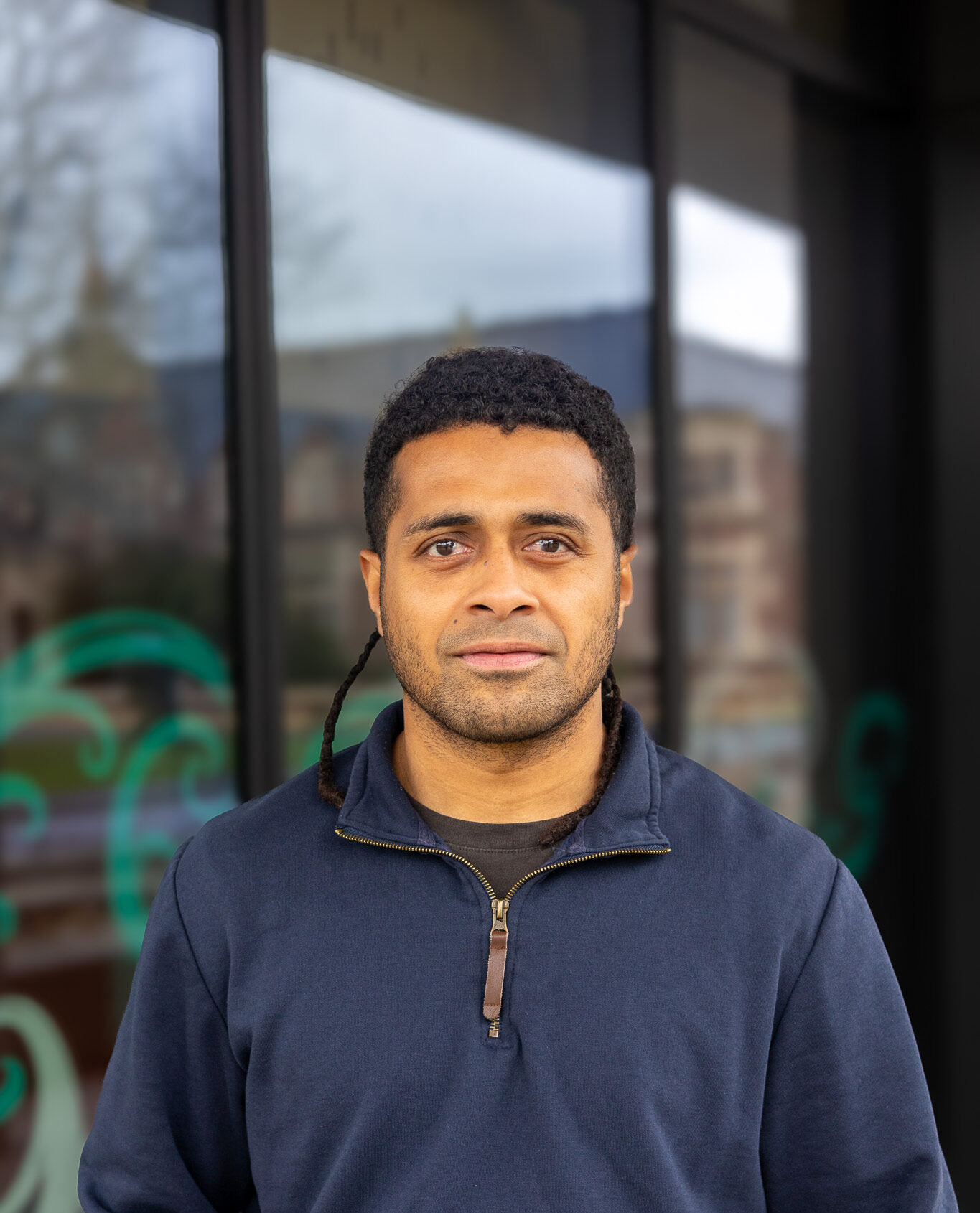
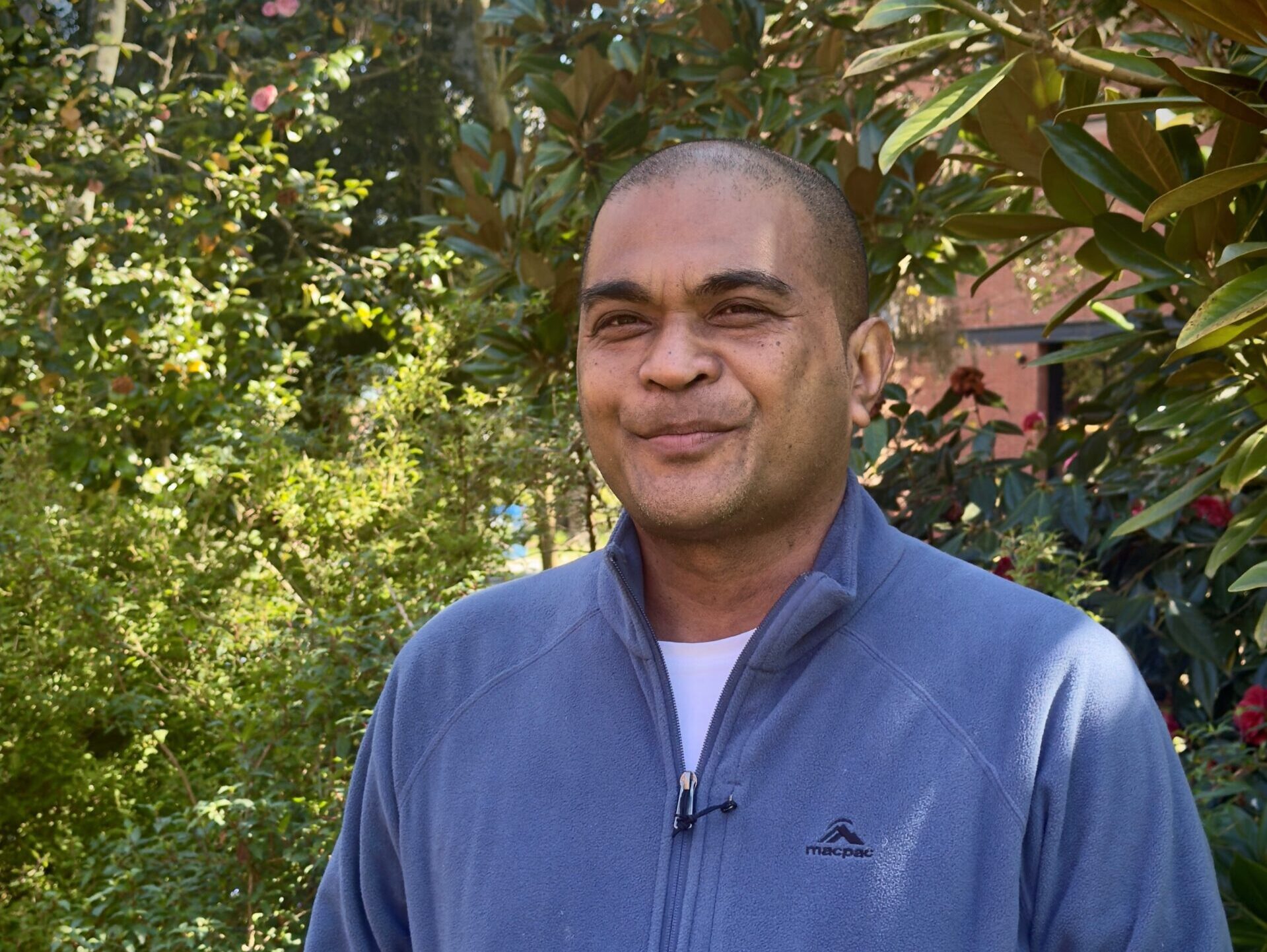
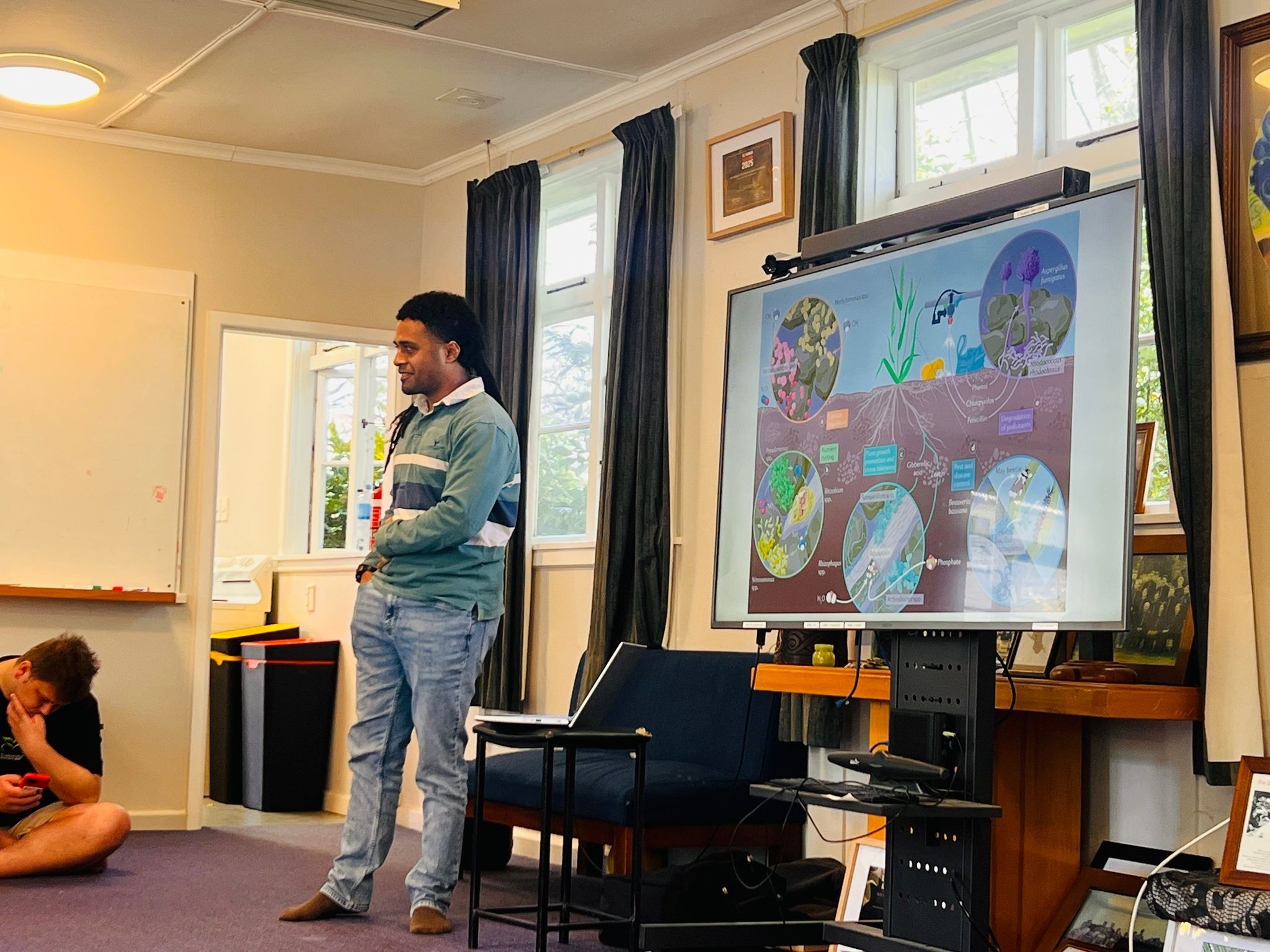
For instance, we are two PhD students looking at agroecological resilience from two connected but varied research contexts.
-
- Mesu Tora
-
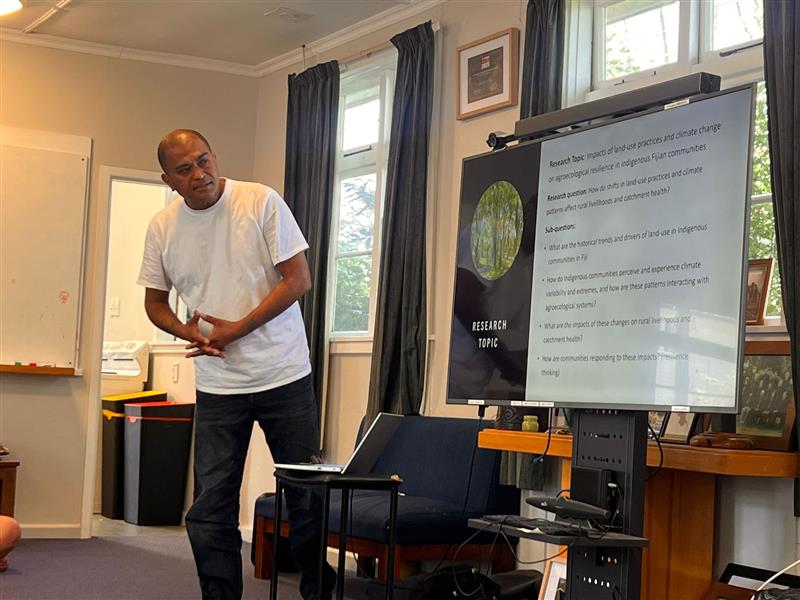
- Patrick Sakiusa Fong
Mesu Tora is looking at the mechanisms underlying the stability of soil biodiversity and their functions in Fiji, focusing on how soil microbial communities collectively support multiple ecosystem processes under climate change and land use change. His work examines how these microbial driven functions sustain soil health, ecosystem stability, and agricultural productivity.
Similarly, Patrick Sakiusa Fong aims to understand the impacts of land-use and climate variability on the agroecological resilience in Indigenous Fijian communities. It is grounded on the understanding that I Taukei communities are in flux, driven in parallel by historical land-use transformations, climate extremes, and ongoing socio-economic pressures.
Agroecological resilience in these studies supports Pacific nations’ aspirations for climate resilience, taking ownership of our adaptation.
COP 30 is a far cry from attaining a Just Transition Mechanism (JTM). But for us our JTM is to support applied research that builds resilience in Pacific communities, on needs identified by them and investing in Pacific researchers who are socio-culturally embedded in their communities. Indigenous Pacific nations survived for millennia through deliberate resilience designs and thinking, including agroecology, which should be built upon in research and actions.
Additional Information
- Further context
Rooted in the Pacific, Responding to the World outlines the significance of the International Court of Justice (ICJ) ruling for international climate accountability.
- Research
To learn more about the research Dr Suli Vunibola, Mesu Tora, and Patrick Sakiusa Fong are leading on resilience agroforestry for Pacific communities, explore the project.