
Home
About Us
What is a CoRE?
Our People
Opportunities
Our Research
Our Research Approach
Tranche 1 Projects (2021-2024)
Tranche 2 Projects (2025-2028)
News and Engagement
News and stories
Podcasts
Webinars
Schools and Community
Annual Reports
Contact Us
Our Whānau
Log in
Log in
Home
About Us
What is a CoRE?
Our People
Opportunities
Our Research
Our Research Approach
Tranche 1 Projects (2021-2024)
Tranche 2 Projects (2025-2028)
News and Engagement
News and stories
Podcasts
Webinars
Schools and Community
Annual Reports
Contact Us
Home
|
Tranche 2 Research (2025-2028)
|
T2 | Microbial Biocontrol
All
Aligned Research
What We're Protecting
Threats We're Tackling
Ways We Work
Tranche 1 Research (2021-2024)
Tranche 2 Research (2025-2028)
Outreach and Engagement
Completed
In progress
T2 | Microbial Biocontrol
How microbial communities affect virus biocontrol
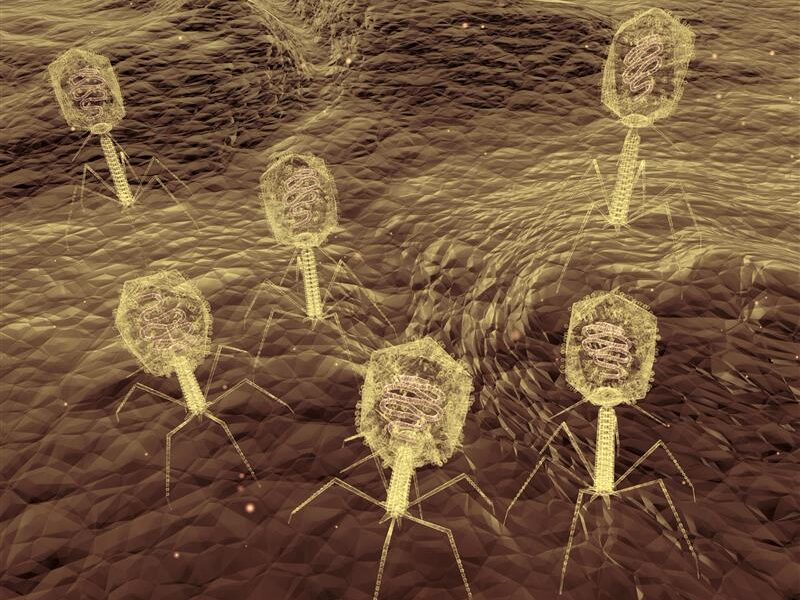
Bacteriophages, or phages, are viruses that infect bacteria, which could provide a new way to control bacterial infections. To move phages towards being a viable option, this study aims to understand how plant microbial communities might affect the use of phages to target bacterial pathogens.
In progress
T2 | Microbial Biocontrol
Impacts of phage-phage interactions
Phage therapy is a promising alternative to traditional antibiotics, particularly when using multiple bacteriophages to target bacterial pathogens. It is crucial to recognise the diverse phages that coexist and compete to develop accurate phage therapy strategies.
In progress
T2 | Microbial Biocontrol
How apple scab outsmarts plant defences
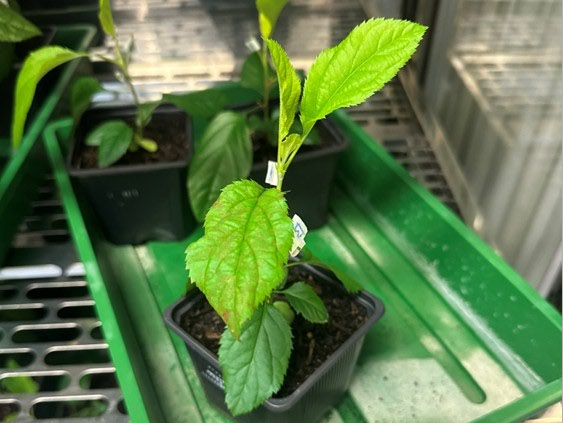
Plants and the pathogens that attack them are locked in a constant battle. Plants evolve defences to recognise and fight off disease-causing invaders, but pathogens respond by mutating or dropping the genes that make them detectable. This research investigates how apple scab fungus outsmarts plant defences of apples.
In progress
T2 | Microbial Biocontrol
Molecular basis of the apple scab pathosystem
Understanding how the apple scab pathogen,
Venturia inaequalis
, promotes host susceptibility or resistance using new and existing genetic tools.