 Home
Home
Project Details
Project status
In progress
Research Framework
Pou Tokomanawa
Research Duration
July 2025 - June 2028
Project Overview
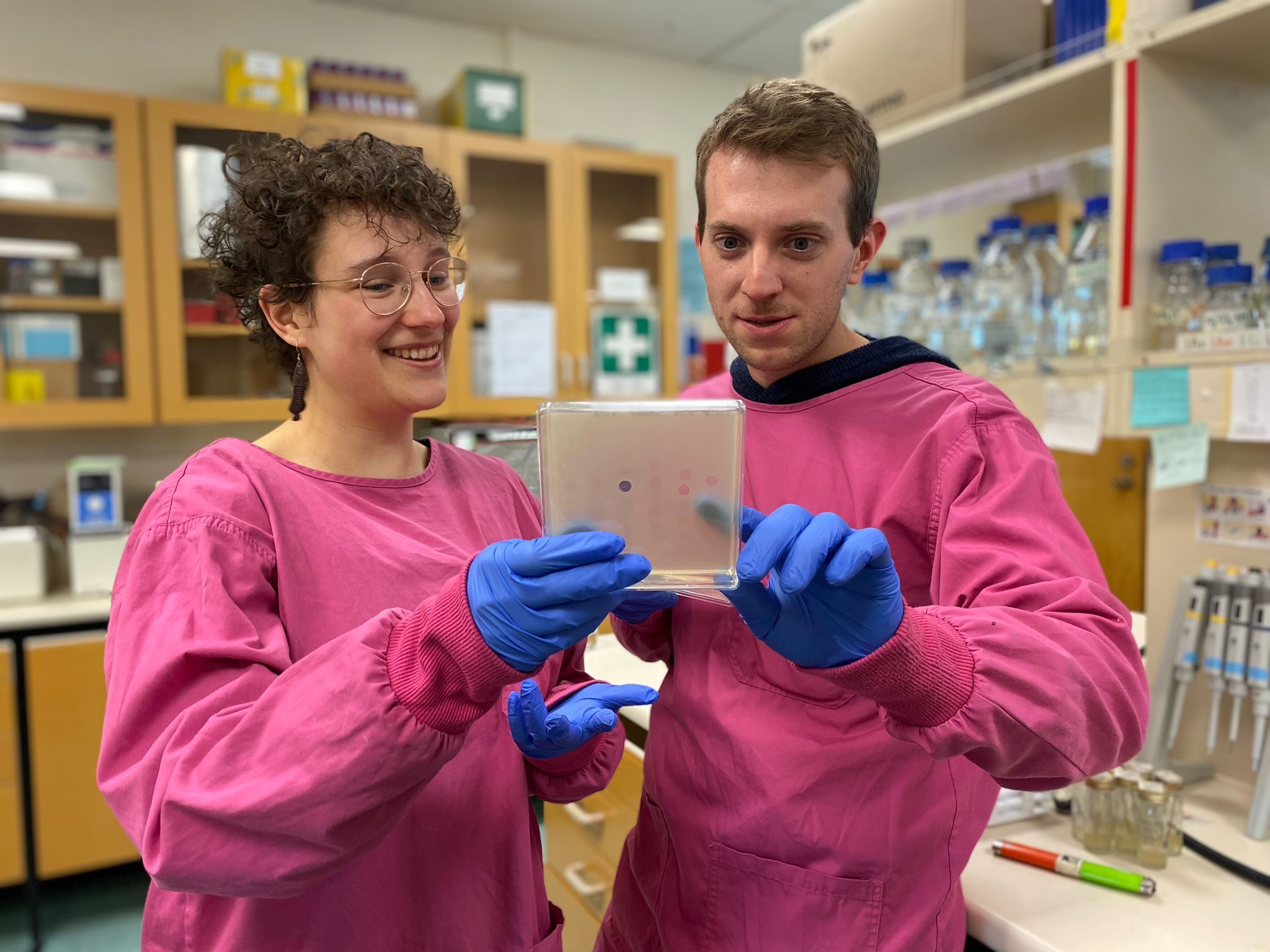
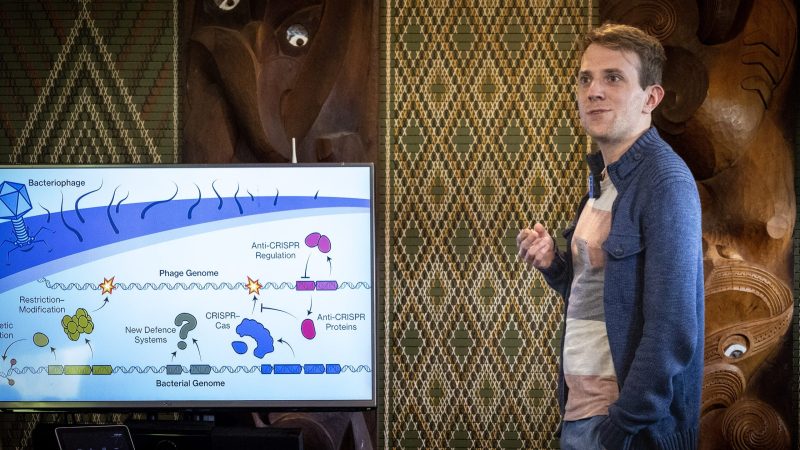
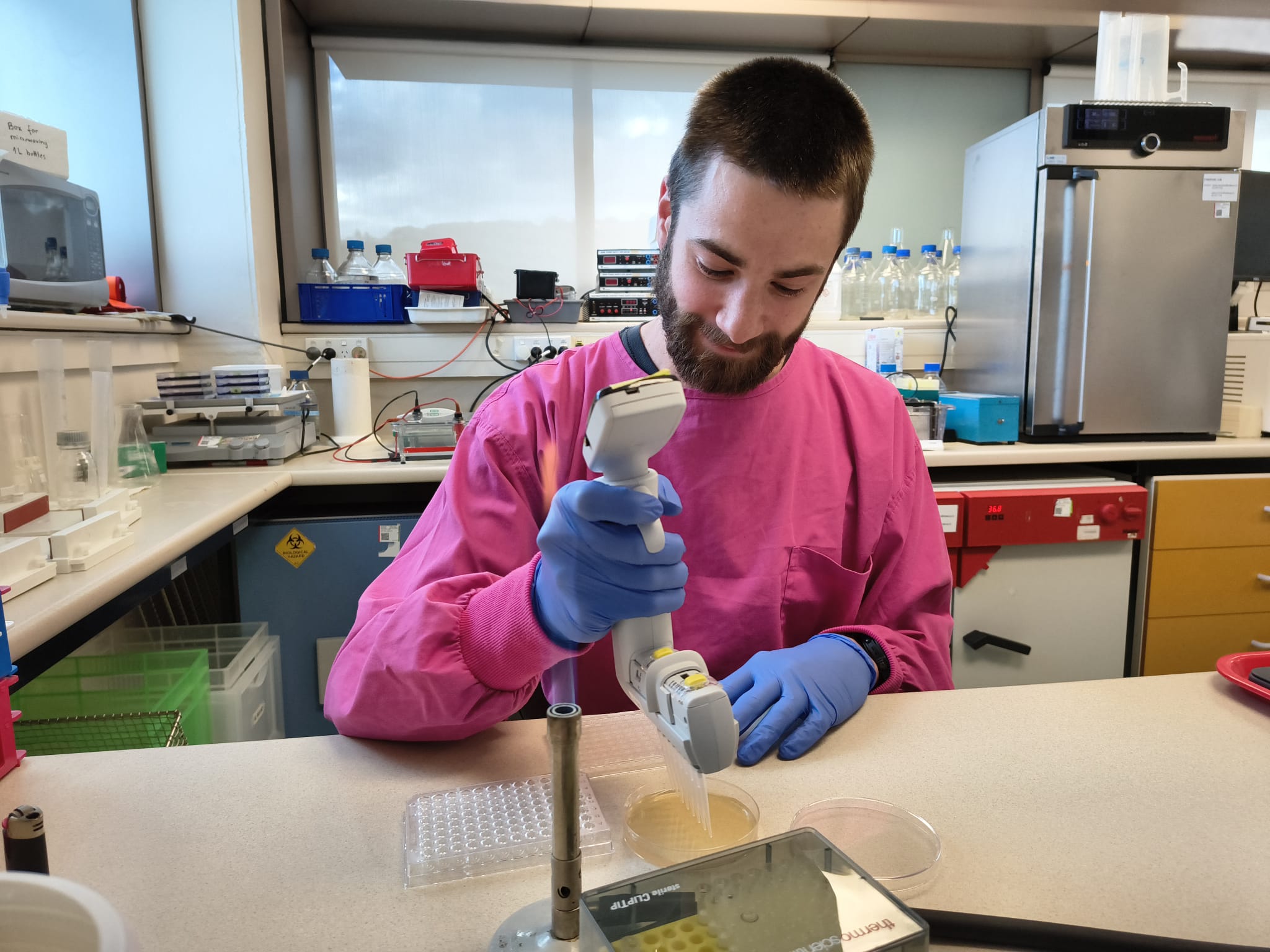
Researchers are just starting to study how bacteriophages, which are viruses that infect bacteria, and often called phages, compete with each other. Although phages are common, we don’t have much information about how they interact during co-infection. Studies on self-competition offer some insights and have shown that some phages produce proteins that prevent further phage infection. This kind of competition has been shown to effect closely related phages.
However, we do not know whether similar interactions occur between unrelated phages. This project aims to address that knowledge gap by investigating if, and how, non-self phage competition takes place.
Why This Matters
As bacteria resistance to antibiotics and agrichemicals becomes more commonplace, phages are being used more often as antimicrobial agents in food safety, agriculture, and medicine. Phage therapy offers a promising alternative to traditional antibiotics, particularly when multiple phages are combined to target bacterial pathogens. Using multiple phages can improve treatment effectiveness and reduce the chance of bacteria becoming resistant to phages. This research is important because people are beginning to use phage combinations more often as antimicrobials, and we need to know how multiple phages function together.
This project will help develop treatments using viruses called “phages” as effective antimicrobials that can protect against agricultural pathogens. They are environmentally-sourced, eco-friendly and rarely harm useful bacteria because they are specific to the selected pathogens, keeping beneficial microbial communities intact.
Project Objectives
- Determine whether competition occurs between bacteriophages.
- Identify and characterise the mechanisms underlying phage competition.
Project Collaborators
Related Research
In progress
T2 | Microbial Biocontrol