• Home
  • About Us
    • What is a CoRE?
    • Our People
    • Opportunities
  • Our Research
    • Our Research Approach
    • Tranche 1 Projects (2021-2024)
    • Tranche 2 Projects (2025-2028)
  • News and Engagement
    • News and stories
    • Podcasts
    • Webinars
    • Schools and Community
    • Annual Reports
  • Contact Us
  • Our Whānau
Log in
Log in
  • Home
  • About Us
    • What is a CoRE?
    • Our People
    • Opportunities
  • Our Research
    • Our Research Approach
    • Tranche 1 Projects (2021-2024)
    • Tranche 2 Projects (2025-2028)
  • News and Engagement
    • News and stories
    • Podcasts
    • Webinars
    • Schools and Community
    • Annual Reports
  • Contact Us
Home | Tranche 2 Research (2025-2028) | Page 2

Tranche 2 Research (2025-2028)

  • All
  • Aligned Research
  • What We're Protecting
  • Threats We're Tackling
  • Ways We Work
  • Tranche 1 Research (2021-2024)
  • Tranche 2 Research (2025-2028)
  • Outreach and Engagement
  • Completed
In progress

T2 | Soil Carbon

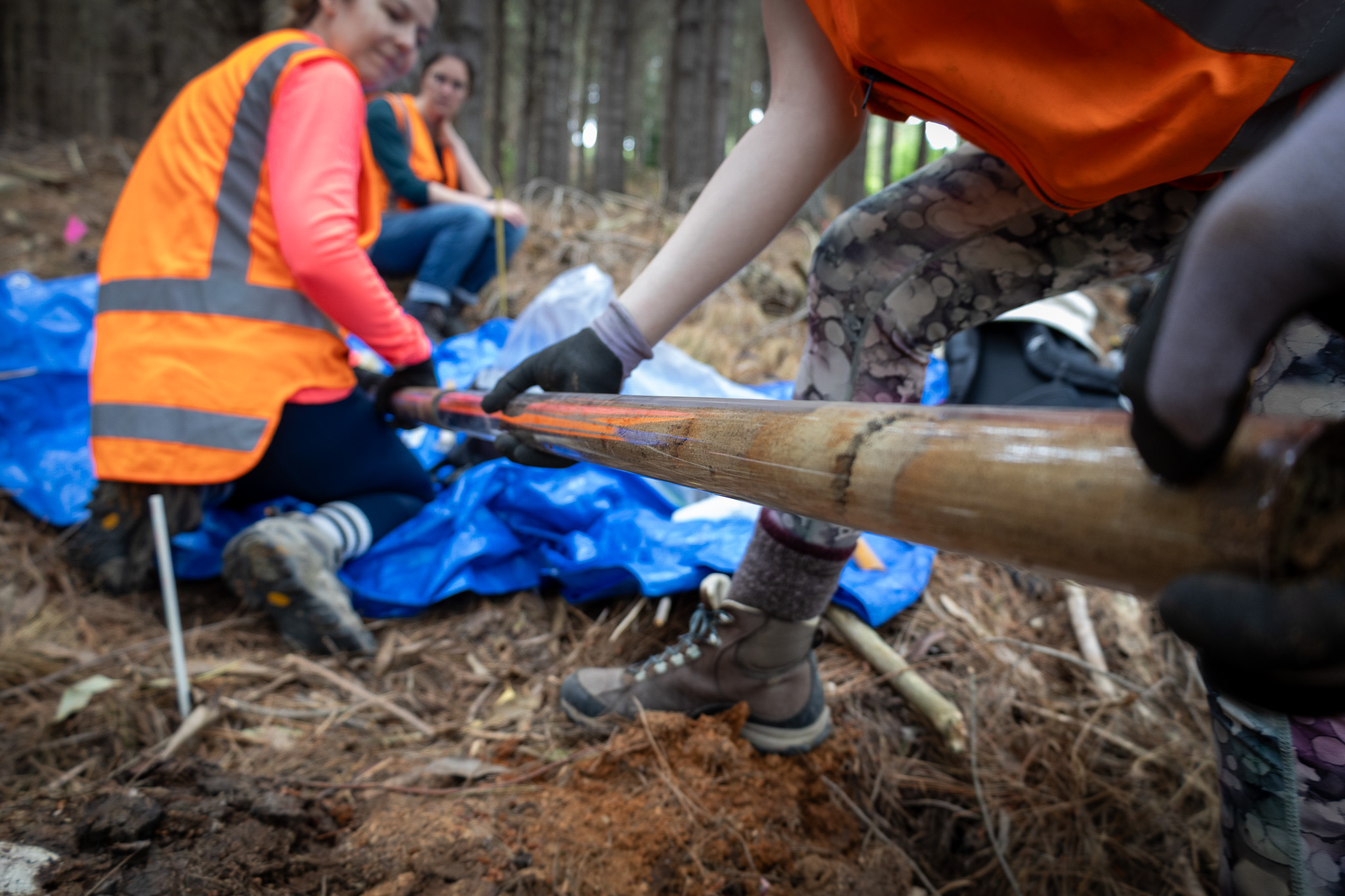
Impacts of land-use management on soil carbon storage
Exploring how different land-use practices in Canterbury influence the stability of soil carbon and the resilience of soil microbial communities across seasons.
In progress

T2 | Microbial Biocontrol

How microbial communities affect virus biocontrol
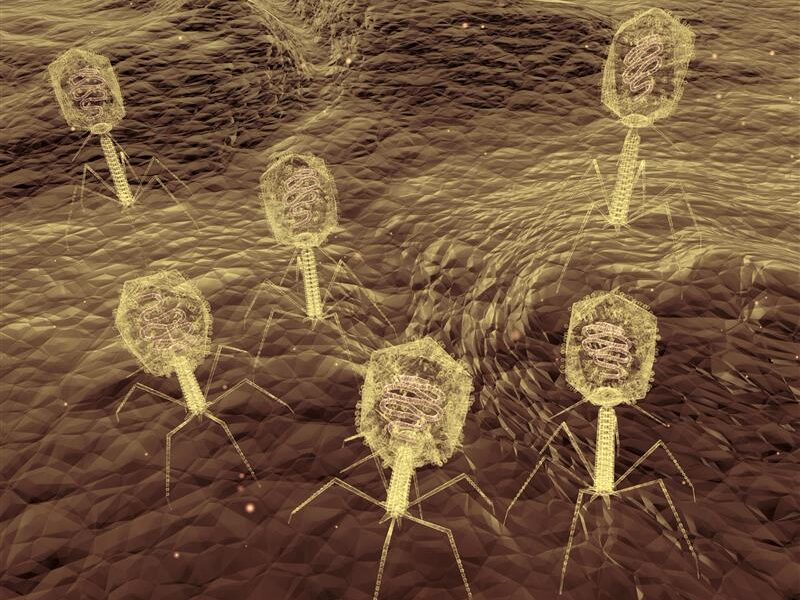
Bacteriophages, or phages, are viruses that infect bacteria, which could provide a new way to control bacterial infections. To move phages towards being a viable option, this study aims to understand how plant microbial communities might affect the use of phages to target bacterial pathogens.
In progress

T2 | Microbial Biocontrol

Impacts of phage-phage interactions
Phage therapy is a promising alternative to traditional antibiotics, particularly when using multiple bacteriophages to target bacterial pathogens. It is crucial to recognise the diverse phages that coexist and compete to develop accurate phage therapy strategies.
In progress

T2 | Microbial Biocontrol

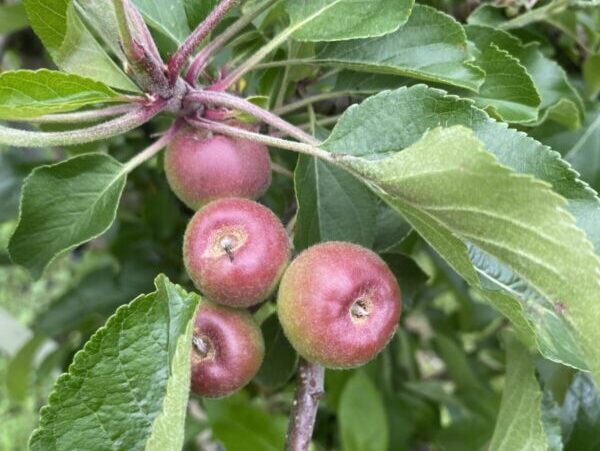
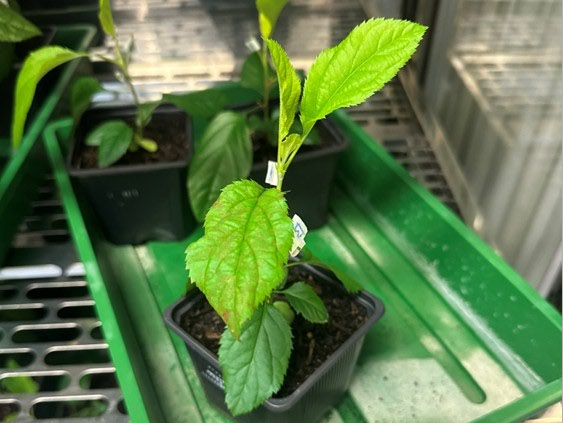
How apple scab outsmarts plant defences
Plants and the pathogens that attack them are locked in a constant battle. Plants evolve defences to recognise and fight off disease-causing invaders, but pathogens respond by mutating or dropping the genes that make them detectable. This research investigates how apple scab fungus outsmarts plant defences of apples.
In progress

T2 | Bioprotection Futures

Evaluating Aotearoa New Zealand’s biosecurity system
We are providing much-needed systematic analysis of the biosecurity system – how it has developed over time, how it is supposed to work, and how it works in practice.
In progress

T2 | Bioprotection Futures

Learning from the past for bioprotection futures
The saying goes that ‘those who do not know the past are condemned to repeat it’. This project looks back over one hundred years to the emergence of pests and weeds, and early efforts to control them, in Horomaka Banks Peninsula. Studying how pests and weeds were managed in the past illuminates the foundations of our current management system – including its successes and failures.
In progress

T2 | Future Biocontrol

Understanding spillover of pests and enemies between crops
Using a large dataset and Bayesian modelling to understand how the proximity of different crops drive dynamics of their pests and natural enemies.
In progress

T2 | Microbial Biocontrol

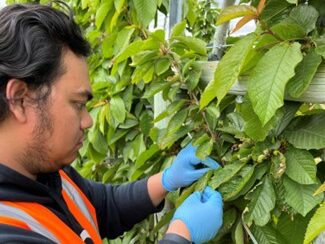
Molecular basis of the apple scab pathosystem
Understanding how the apple scab pathogen, Venturia inaequalis, promotes host susceptibility or resistance using new and existing genetic tools.
In progress

T2 | Pacific Futures

Role of microbial communities in agrobiodiversity resilience
Exploring the diversity of soil microbial communities, and understanding their role in supporting agrobiodiversity resilience and agroecosystem productivity.
Page 2 of 2«12
  • Home
  • Our News
  • Opportunities
  • Contact Us
  • © copyright 2026 Bioprotection Aotearoa
  • Privacy and Terms & Conditions