 Home
Home


Project Details
Project status
Completed
Research Framework
Pou Titirangi
Research Duration
Mar 2023 - Dec 2024
Project Overview
The myrtle family contains some of our nation’s most beloved native and exotic plants, including pōhutukawa, mānuka, and feijoas. However, Aotearoa New Zealand’s myrtles are threatened by myrtle rust, a disease caused by the invasive fungal pathogen Austropuccinia psidii.
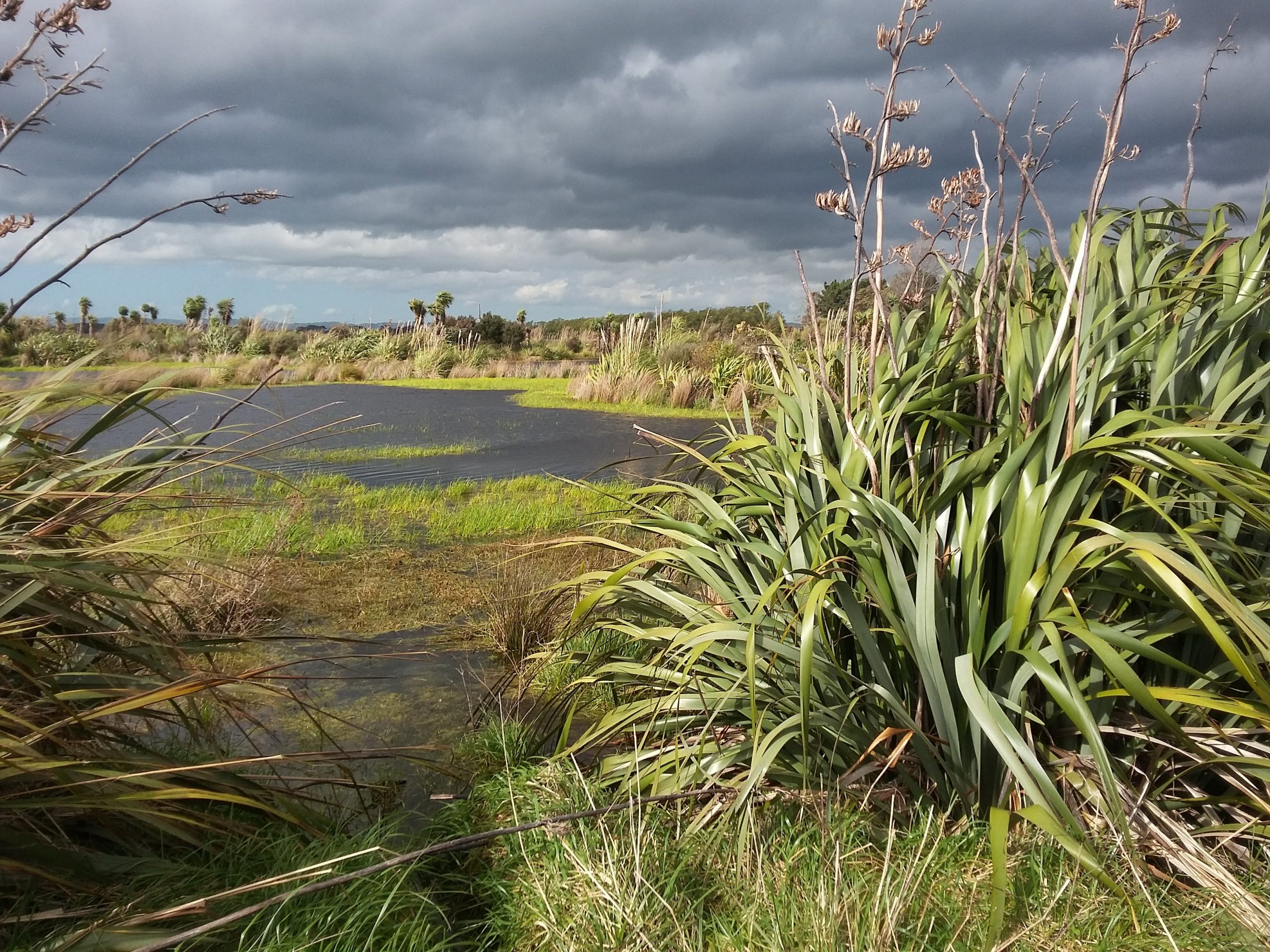
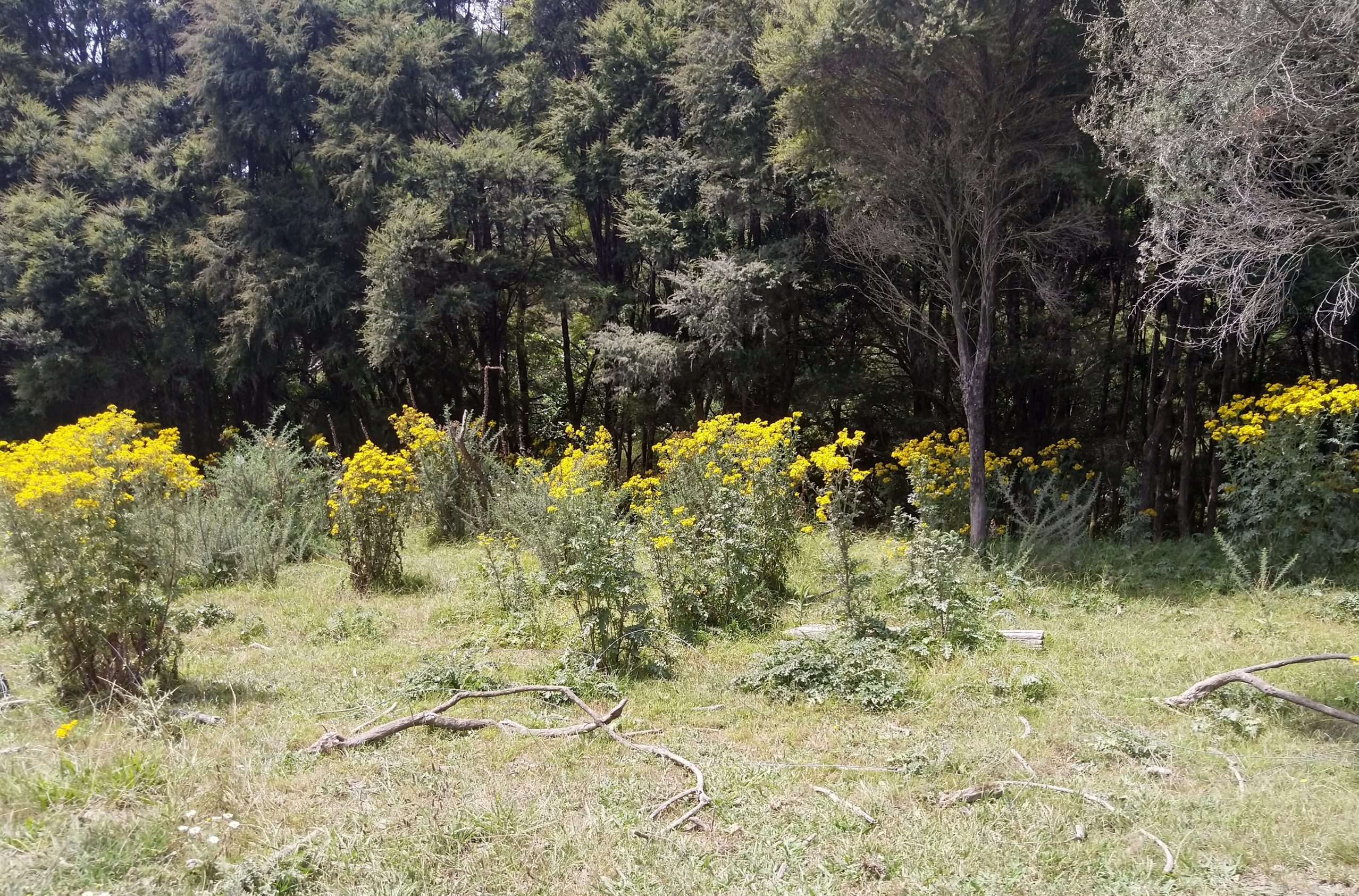
In this project, we explore two possible strategies for protecting our indigenous myrtles from the worst effects of myrtle rust. Both strategies use a new approach for integrated species distribution modelling combined with climatic models of myrtle rust risk. The first strategy identifies priority areas for the endangered wetland tree maire tawake (Syzygium maire) based on environmental suitability, myrtle rust infection risk, and site accessibility. The second strategy investigates whether disease impact could be reduced by decreasing the number of non-indigenous myrtles in our landscapes.

Why This Matters
Plant disease outbreaks are occurring more frequently across the world. This is due to a combination of environmental change and people moving plants, pathogens, and their vectors beyond their natural ranges. The emergence of new disease epidemics can be extraordinarily disruptive to natural and productive ecosystems alike. As such, understanding how to effectively mitigate the effects of plant diseases is an increasingly pressing issue.
Myrtle rust is a serious emerging disease that has spread from its South American origin and now infects at least 480 myrtle species across several countries. In Australia, this disease is causing large-scale population declines of susceptible myrtles that are rapidly changing forest communities. Myrtle rust arrived in Aotearoa in 2017. At least 12 of our 18 indigenous myrtle species, and a further 17 exotic species, can be infected by A. psidii. Many of the susceptible indigenous species are structurally and functionally important components of late successional and regenerating forests.
The outputs from this project may be used by landowners, tangata whenua, land management authorities, and community groups to identify priority locations for managing disease risk and for protection and restoration of threatened myrtle species.
Project Objectives
- Identify optimal locations for protection and planting programmes for maire tawake within Wairarapa.
- Evaluate whether disease impact could be reduced by decreasing the number of non-indigenous myrtles in the landscapes of Aotearoa New Zealand.
Research Outputs
Journal Article
Media
- Hotspots for conservation of threatened native tree identified in Wellington (2025)
- Hotspots of threatened native tree identified in Wairarapa (2025)
Conference Presentation:
- Australasian Myrtle Rust Conference:
Spatial prioritization of conservation effort for a rare tree threatened by myrtle rust (2025) - New Zealand Ecological Society Conference:
Identifying suitable and accessible refugia to mitigate myrtle rust impacts on maire tawake in wetland forests (2024) - British Ecological Society Conference:
Spatial prioritization of conservation effort for a rare tree (Syzygium maire) endangered by myrtle rust (2024)
Project Collaborators
| Te Herenga Waka – Victoria University of Wellington | Manaaki Whenua – Landcare Research | Ministry of Primary Industries | Te Whare Wānanga o Waitaha – University of Canterbury | NTNU – Norwegian University of Science and Technology