
 Home
HomeProject Details
Project Objective
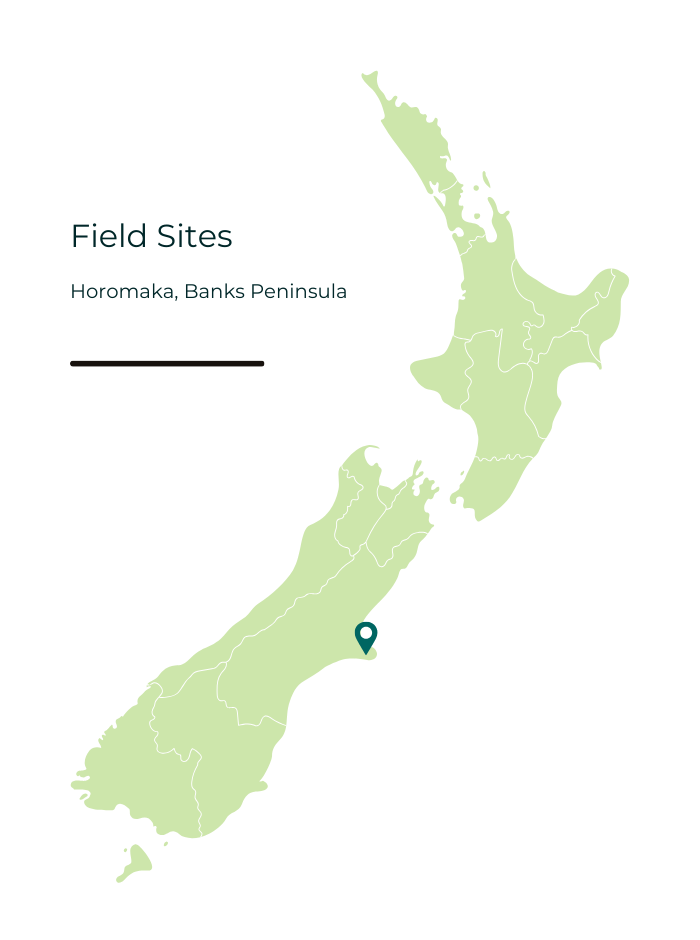
This project investigates how birds contribute to the spread of invasive woody weeds across Horomaka, Banks Peninsula. Many naturalised plant species produce colourful, fleshy fruits that attract both native and introduced birds. Once consumed, the seeds are transported to new areas, sometimes into forests and shrublands, but often into farmland, roadside margins, and other disturbed habitats where weeds can establish quickly.
This research aims to identify the fruit traits that make certain non-native plants appealing to the key bird species responsible for most seed dispersal and assess how landscape structure influences where these woody weeds become established. To address these questions, the study combines existing information on bird traits, fruit and seed characteristics, along with field observations of bird foraging behaviour, and experiments using artificial perches to collect seeds from droppings, identifying the woody species being dispersed.
Why This Matters
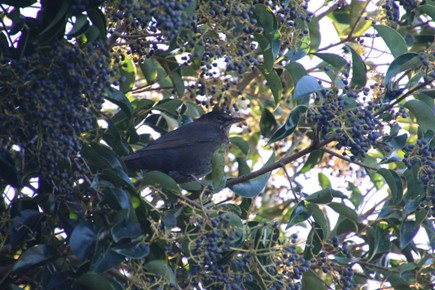
This research aims to identify which invasive plants are most likely to spread quickly across the landscape through frugivorous birds, which are native and non-native birds birds that feed on fruit, and which area and land use type are most vulnerable.
Without this knowledge, weed invasions will continue to accelerate, displacing native species, altering habitats, and increasing the long-term cost and complexity of restoration.
This strengthens ecosystem resilience by improving our understanding of weed movement across Horomaka/Banks Peninsula and informing communities about the threats posed by woody weeds, and support more effective future weed management strategies.
Project Objectives
- Identify the key fruit and seed traits of non-native woody plants and determine which of these traits attract or suit local bird species.
- Compare naturalised species with environmental weeds to see whether invasive plants share distinctive traits.
- Observe bird use of a targeted subset of fleshy-fruited plants and document the resulting plant–bird interactions that influence where seeds are dispersed.
- Run perch and seed-deposition field experiments to understand how birds move seeds into new areas.
- Identify landscape “hotspots” where weed control or restoration efforts will have the greatest long-term impact.

Related Research
T2 | Weed Invasions