
 Home
HomeProject Details
Project Overview
It is well established that the invasive behaviour of pests and weeds (e.g., outcompeting other species for resources) is triggered by a series of environmental conditions or drivers. Yet the bulk of bioprotection practices in New Zealand focuses on directly controlling populations of listed invasive species. This amounts to addressing the symptoms, not the drivers of invasion. Interventions that focus on managing the drivers—such as invasion pathways and landscape-scale environmental conditions—are less salient.
This research seeks to understand the reasons for this gap between bioprotection knowledge and practice, as well as identifying promising avenues through which landscape-scale approaches might be more effectively reflected in policy and practice.
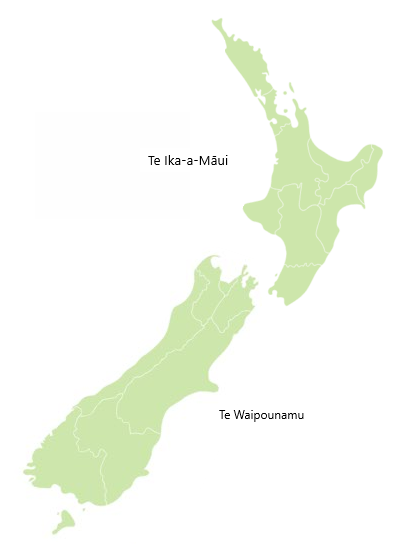
While having national-scale relevance, the field research for this study will primarily be based in Te Waipounamu / the South Island.
Why This Matters
Current weed and pest management approaches are under severe strain in Aotearoa New Zealand, given the scale of many weed and pest invasions, as well as persistent difficulties with long-term resourcing. As such, there are repeated calls for a ‘paradigm shift’ in approach that will help address underlying drivers at a landscape-scale, rather than individual problem species.
A crucial part of this work is to understand how a landscape-scale approach might be integrated within policy and practice – both in terms of amplifying promising existing initiatives, as well as considering novel alternatives. This research intends to help policy makers and practitioners design, adapt, or replicate innovative pathway- and landscape-focused bioprotection initiatives to complement mainstream species-focused approaches.
Project Objectives
- Identify existing landscape-focused biosecurity approaches in Aotearoa New Zealand and assess their level of integration with mainstream biosecurity policies.
- Analyse potential barriers to greater uptake of landscape-focused biosecurity approaches.
- Explore, discuss, and disseminate strategies for expanding the application of sound landscape-focused biosecurity approaches in policy and practice.


Related Research

T2 | Bioprotection Futures
Community inclusion in pest management in Aotearoa New Zealand

T2 | Bioprotection Futures
Evaluating Aotearoa New Zealand’s biosecurity system

T2 | Bioprotection Futures