
 Home
Home10 November 2025
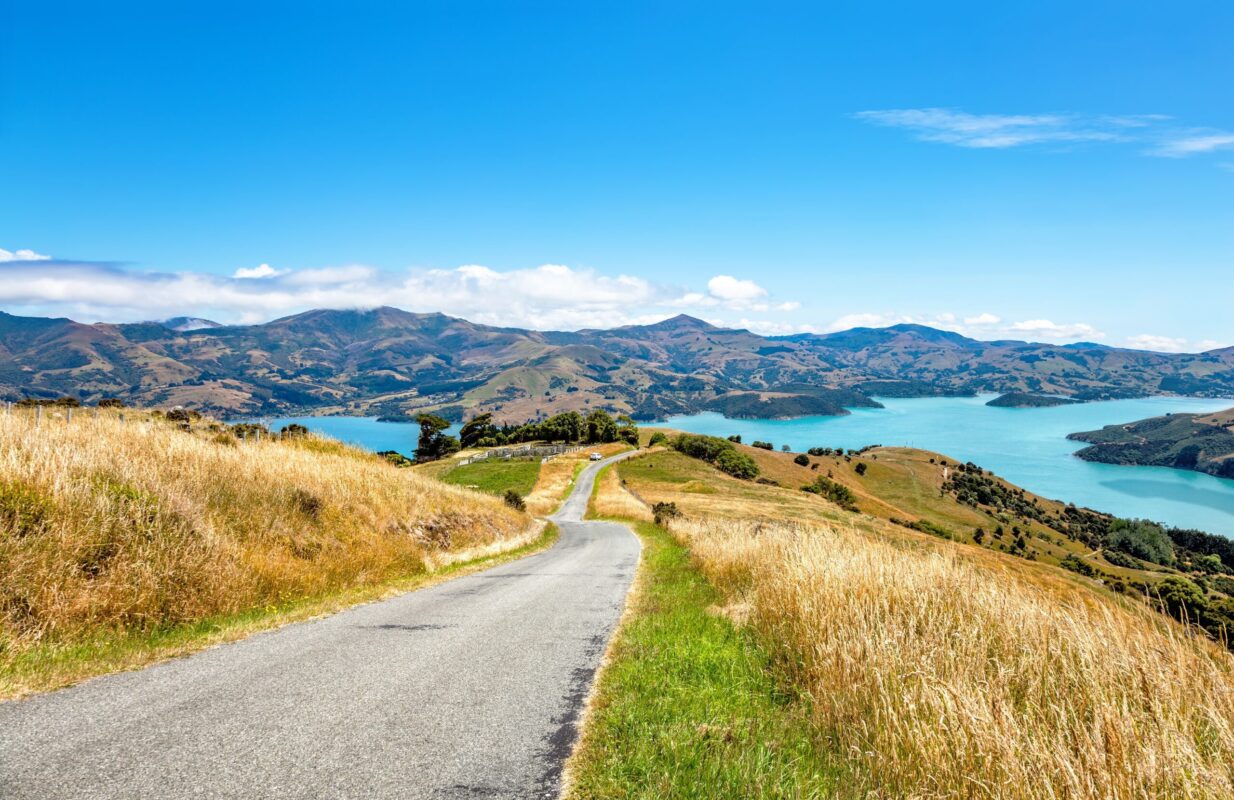
Horomaka | Banks Peninsula’s beautiful kānuka shrublands under pressure from the spread of invasive plants.
It starts with something simple: an apple core, casually tossed from a moving car window. The apple core lands in the roadside gravel, where it is warmed by the sun, nestled among a tangle of weeds and grasses. In time, the seeds germinate, sending fragile roots into the soil, and green shoots upwards toward the light.
At first glance, an apple tree growing by the roadside might not seem like a problem. But this small event signifies a much larger pattern. Roads, tracks and waterways act as corridors not just for people but also for plants, pests, and pathogens.
As a result, some non-native species may have been introduced with the best of intentions or by accident, take root in landscapes they were never meant to inhabit. Some settle quietly, while others spread aggressively, outcompeting native species, altering soil microbiome and structure, and reshaping ecosystems.
Why look at weeds in Horomaka?
The mix of different land uses and ecosystems across Horomaka creates unique conditions for the introduction and spread of plant species from many different parts of the world: South Africa, Japan, Mexico and of course the United Kingdom.
“Weeds are trouble, they’re a growing problem,” says Dr Laureline Rossignaud, who completed her postdoctoral fellowship with Bioprotection Aotearoa and is now working at Manaaki Whenua – Landcare Research as a Forest Ecologist.
“Many invasive plant species have arrived in Banks Peninsula from overseas, which is why we need more research to understand which ones are establishing, and which ones might be a threat to both native plant communities and the people who live there.”
One major concern is the spread of conifer species, particularly Pinus radiata and Pinus contorta. These trees, initially planted for forestry, have started escaping from plantations. Their seeds are dispersed by wind and establish themselves far beyond the intended boundaries.
How do we define an invader?
“At the end of the day, weeds are just plants,” explains Laureline. “Even native species can be weeds if they are unwanted in a particular space. But when we talk about invasive alien weeds, they are species that have not evolved in New Zealand and have a negative impact. ‘Weeds’ is just a common name.”
Weeds are a widespread problem on Horomaka, and once a particular weed species spreads, eradication becomes extremely difficult. A key focus is therefore identifying uncommon and localised weeds with the potential to become widespread across the region. In an article for The Spinoff in 2022, Professor Margaret Stanley from the University of Auckland described these species as “sleeper weeds”, explaining that their small populations often persist unnoticed until the right conditions ‘activate’ them.
“Sometimes they are small, inconspicuous plants that we don’t notice until they’re widespread, and some haven’t yet found the right pollinator or environmental conditions to ‘take off’ and become
invasive,” wrote Margaret.
Where do we start?
For home gardeners and land managers alike, the more you pull, the more weeds seem to fight back. The challenge of managing invasive species on a large scale requires more than just persistence.
“This is where our research comes in: it helps us to be a little more pragmatic, and instead of being overwhelmed by the number of weeds coming in, we can start prioritising those weed species for which management might have the greatest impact.”
The research supported by Bioprotection Aotearoa works to build a greater understanding of the establishment of invasive plant species and their potential for impact.
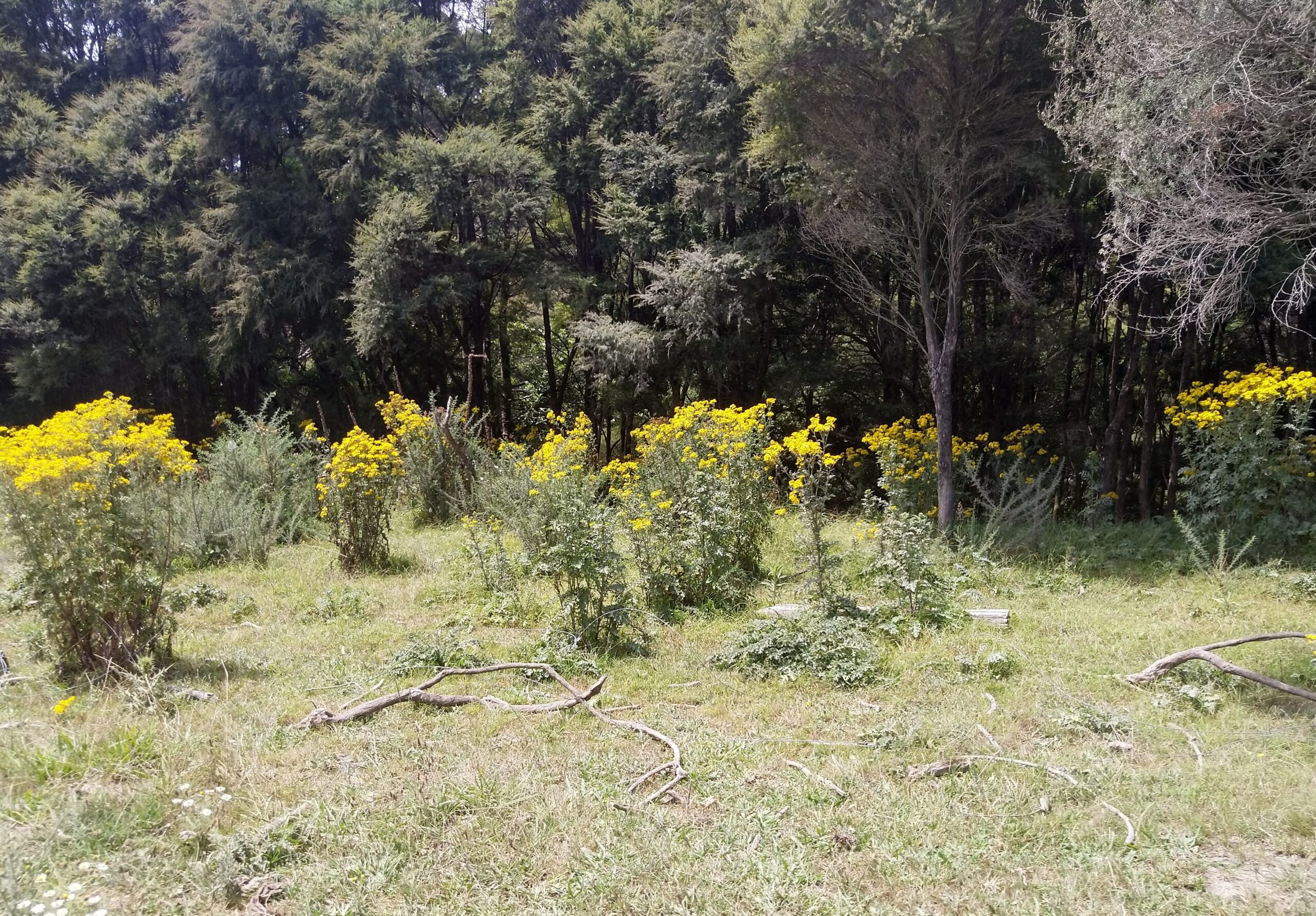
Weeds in kānuka shrublands
One of the defining landscape features of Horomaka Banks Peninsula is the kānuka shrublands, which are a nationally vulnerable native ecosystem. Our previous work included a survey of wilding conifers across Horomaka Banks Peninsula and found that kānuka shrublands are particularly vulnerable to invasions.
“This is worrying given their conservation status and the fact that the ecosystem acts as a nursery for the establishment of native forest,” explains Distinguished Professor Philip Hulme, a lead investigator for this research.
Many naturalised plant species do not commonly persist in the deep shade of the forest understory, due to their preference for light. As such, they tend to stop at the edge of forest fragments.
PhD student Friederike Espinoza is looking at how fragmentation impacts weed invasion in kānuka fragments on Horomaka. Her research explores the shade tolerance of different weed species and their ability to invade the edge and interior of kānuka fragments. She is also looking at how invasions might be impacted by moisture conditions as well as grazing by livestock.
Given the scale of weed issues across Horomaka Banks Peninsula, focusing the research of Bioprotection Aotearoa in this region is particularly valuable. The combination of its rich history, diverse use of land, long-term ecological records, and the knowledge shared by local communities offers unique insights.
The project team continues to explore how the complexity of the landscape impacts weed invasions. The plan is to investigate how roads, rivers, and tracks interact with the diversity of the landscape and whether they contribute to the spread of certain weeds.
This story was first published in Ko Te Toa i a Tini – 2024 Annual Report
More Information
- Webinar | Non-native plant invasion in Aotearoa: Insights from mānuka–kānuka shrublands
Find out more about this webinar >>
- Research | Non native plant invasions in native forests and shrublands
Discover Laureline’s research, which explores species richness and ground cover of non-native plants across Aotearoa, and provides valuable insights on plant invasions in native forests and shrublands
Find out more about this project >>