Home
Home



Resilient Soils
How can we create healthy, disease-resistant and climate-resilient soils?
What We’re Exploring
This project explores how soil health can be enhanced to support plant productivity and resist disease under changing climatic conditions. It investigates the interactions between crop species, genetics, land management, and climate — and how these factors influence the microbial communities and ecosystem genomes that underpin soil function.
By identifying how disease-suppressive traits emerge within soil systems, the team aims to inform management practices that foster more resilient and productive landscapes. The research contributes to long-term bioprotection strategies that work with natural systems rather than against them.
What We're Learning
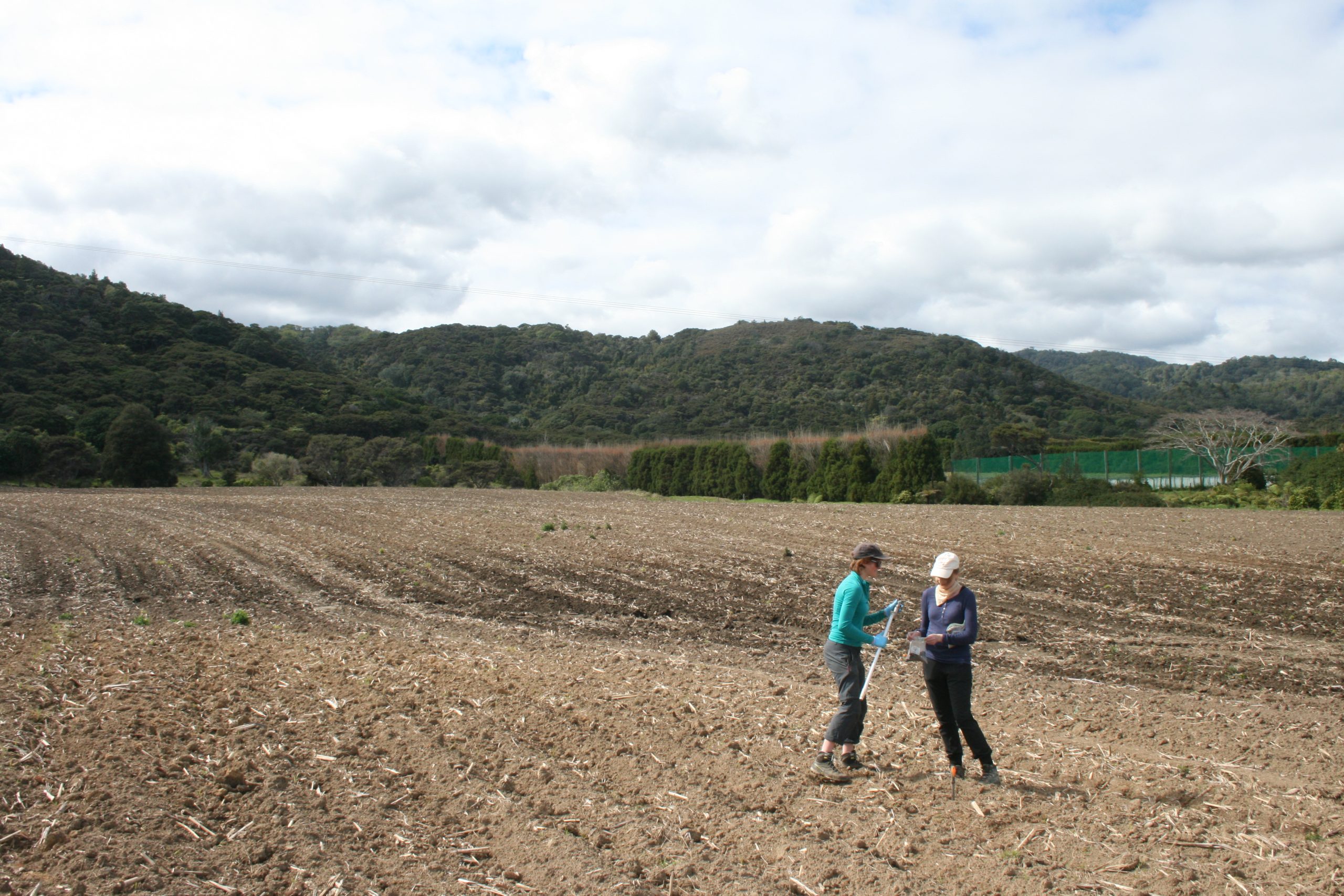
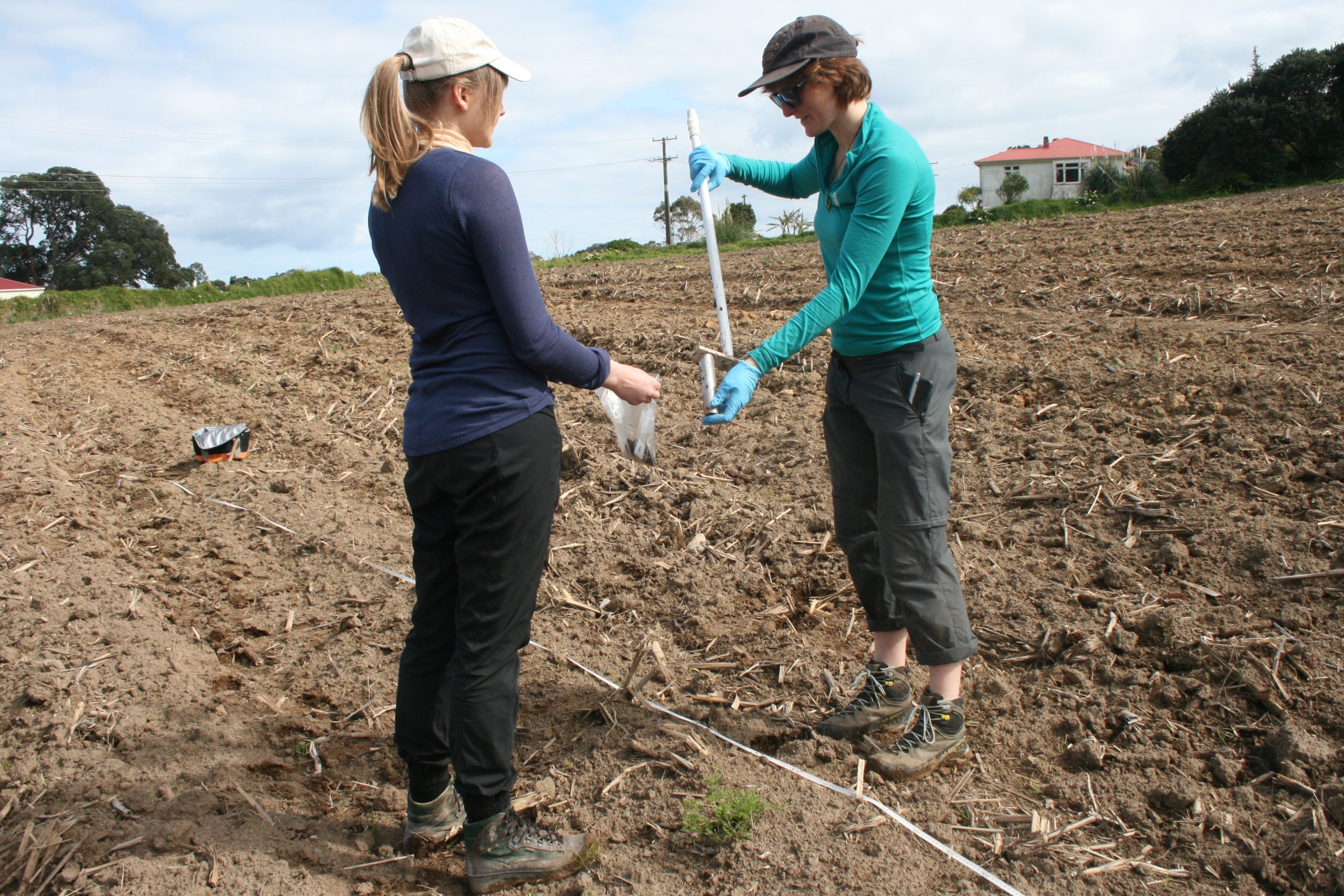
We set out to investigate how land use and management practices affect soil microbial diversity and function across a range of agroecosystems. The research showed that as land use intensity increased, so did the diversity and abundance of soil microbial genes involved in carbon degradation. We also found that land use influenced the diversity of arbuscular mycorrhizal fungi present in plant roots and surrounding soils. In addition, comparisons between contrasting crop systems, such as kiwifruit and maize, revealed differences in fungal and bacterial community structures. These differences are important because they affect how well soils can resist and recover from environmental disturbances.
Research Projects
Completed
T1 | Resilient Soils
Mycorrhizal fungi in resilient plant-soil ecosystems

Completed
T1 | Resilient Soils
Enhancing resilience of soil carbon across agricultural landscapes
Completed
T1 | Resilient Soils
Microbial communities and their relationships to soil resistance and resilience
Research Team

Prof Nick Roskruge
Roles:
Researcher Tranche 1
Institution:
Massey University