 Home
Home
Project Details
Project status
Completed
Research Framework
Pou Tokomanawa
Research Duration
Jul 2022 - Jul 2025
Project Overview
Bacteria colonise many habitats including soil, plants, water, and the human gut. Although it’s common to hear about disease-causing bacteria, in recent decades there has been a growing evidence of the beneficial effect the non-pathogenic bacteria have on their host.
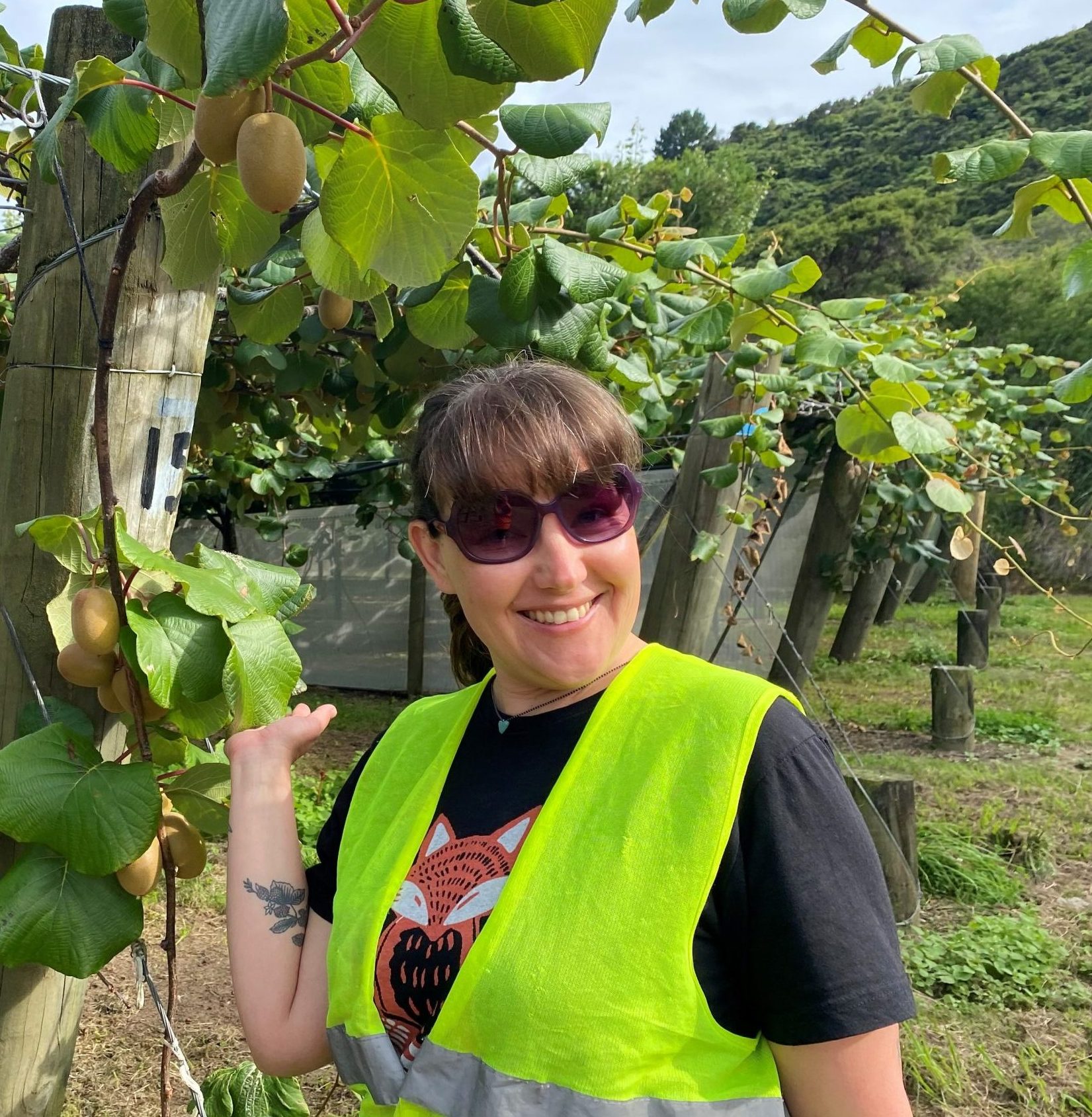
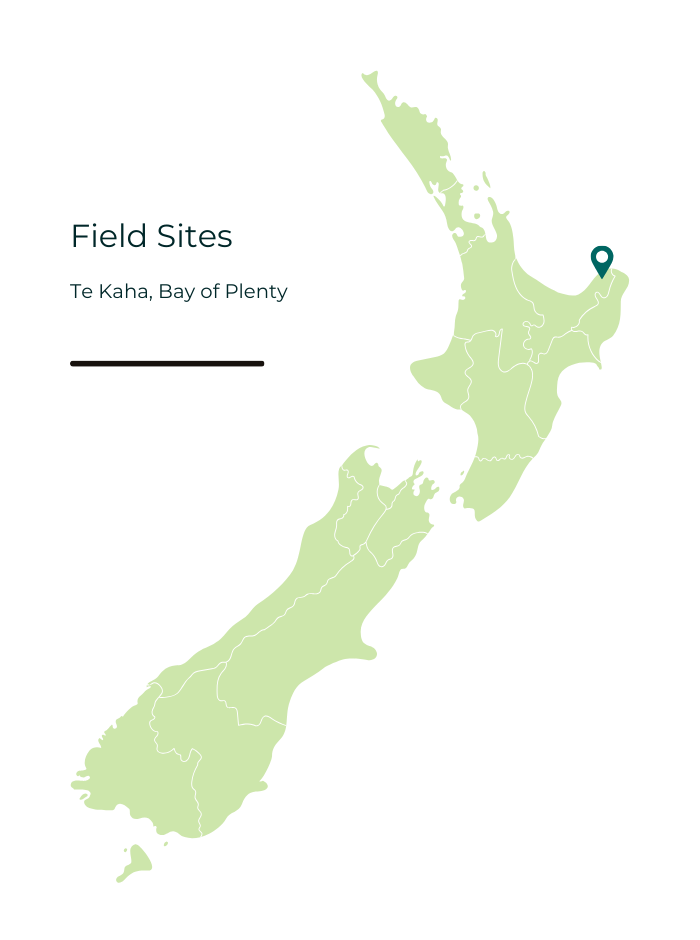
Te Kaha is the field site for this project, here the project aims to look at what bacteria are present on the leaves of kiwifruit plants and identify the possible beneficial impacts they have on the plant health.
This research will also explore whether native plants that border the orchard help to create a more beneficial bacterial community for plants.
Why This Matters
Research on bacterial interactions on kiwifruit leaves contributes to efforts to develop more sustainable approaches to crop protection. By identifying these interactions, the research may help inform preventative strategies against bacterial canker disease in kiwifruit, supporting protection for crops.
The protective mechanisms studied may extend beyond kiwifruit, benefiting other crops threatened by the related pathogen Pseudomonas syringae.
Together, this work advances understanding of microbial interactions on kiwifruit leaves and their potential role in plant health and disease protection.
Project Objectives
- Exploring the impact of surrounding plants on kiwifruit microbiome.
- Identifying potential antagonistic interactions of bacteria that colonise the kiwi leaves and the pathogen Pseudomonas syringae actinidia.
- Characterisation of the above interactions.