
 Home
Home22 November 2025
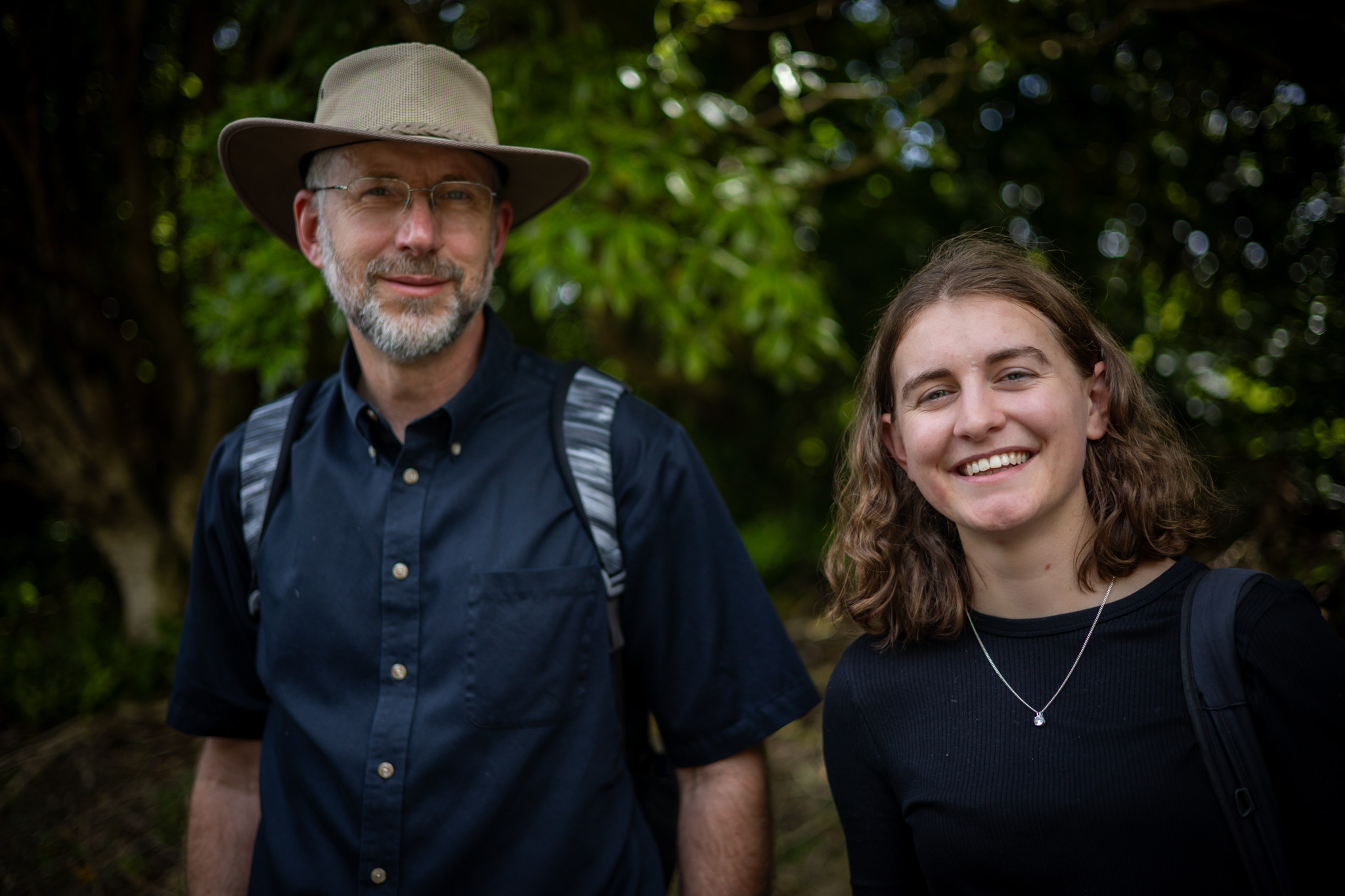
Julia Palmer (right)
Three Bioprotection Aotearoa Masters students graduated recently and have joined the work force. Here’s what Julia Palmer has to say about what she accomplished during her Masters and what she’s up to next.
Place of study and thesis title
University of Canterbury – Thesis title: “Arthropod movement and predation pressure across habitat boundaries along climate gradients.”
About the project
My project included a field-based study looking at ground-dwelling arthropod diversity and abundance and how their functional predation may be impacted by warming climates. I also completed a global meta-analysis to understand how ground-dwelling arthropods globally are influenced by climates and their ability to move into managed landscapes, which can influence pest control.
Outside of your “main findings”, what did you learn through the Master’s process?
Although it can sometimes feel like the world is collapsing around our ecosystems, I am beginning to understand all that can be preserved in just small remnant systems, that has been beautiful to see. It has also been very rewarding to connect smaller scale research in Aotearoa New Zealand to larger global patterns to see how our small NZ systems fit into the larger global picture.
Current and future plans
I am now working as a research entomologist at the Bioeconomy Science Institute in the Plant and Food Research Group. This aligns with my Masters research where I was understanding how insects play important roles within our natural ecosystems and horticultural systems.
My long-term career goal is to continue to pursue my research interests in the field of Entomology, particularly insect biodiversity, ecological monitoring, and the application of entomological knowledge to both natural and cultivated landscapes.
How has BA supported you?
Being able to put Māori engagement into practice, including learning mihimihi with colleagues and participating in the noho marae, and being part of the Bioprotection Aotearoa whanau has been wonderful. Other highlights have been hearing from our own postgraduate researchers about what they are doing via seminars, having mentors who are passionate about similar subjects, and creating lifelong friends.
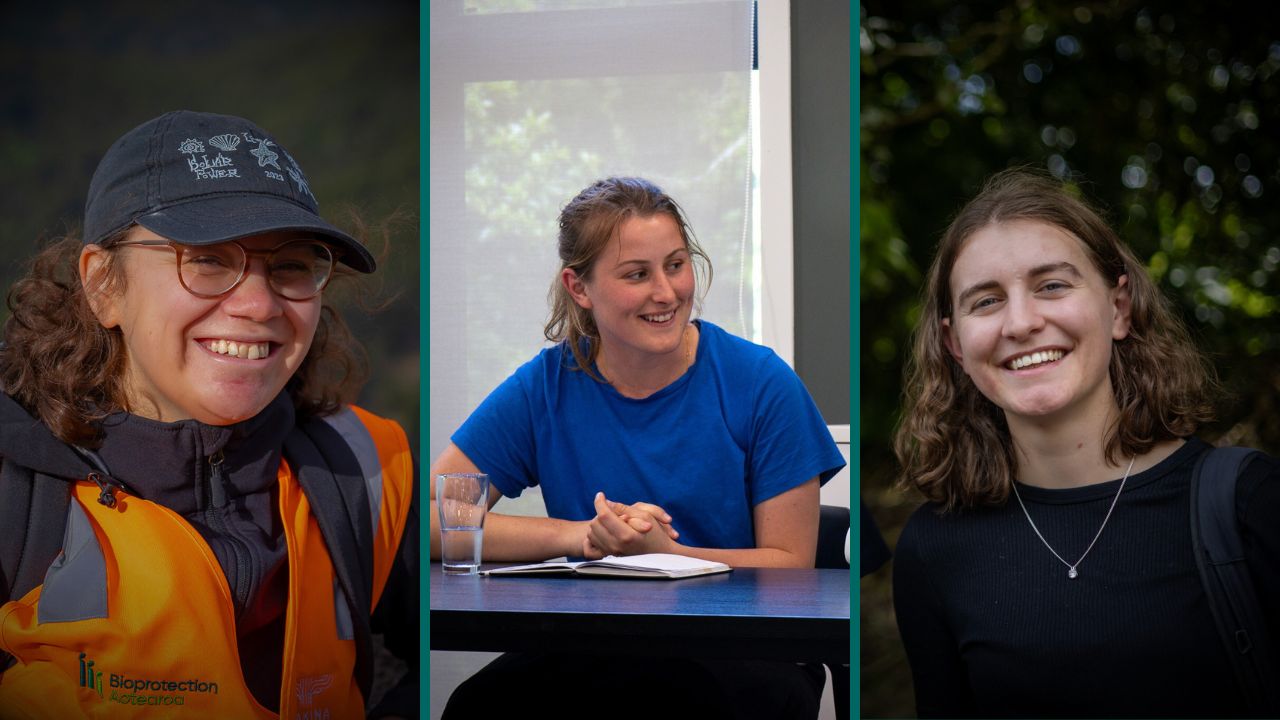
Meet the rest of the 2025 masters cohort
This Q&A is part of a series shining a light on our Masters students who have graduated in 2025. Continue the series by reading the remaining profiles and meet more of the talented graduates shaping the future of bioprotection. See what Tere Porter-Rawiri and Pearl Ruston had to say about what they accomplished during their Masters and what they’re up to next.
More Information
- Research | Climate effects on arthropod spillover
Learn more about Julia’s research with Bioprotection Aotearoa, understanding how climate affects spillover of pest-controlling arthropods from natural forest fragments to managed areas.