
 Home
Home20 November 2025
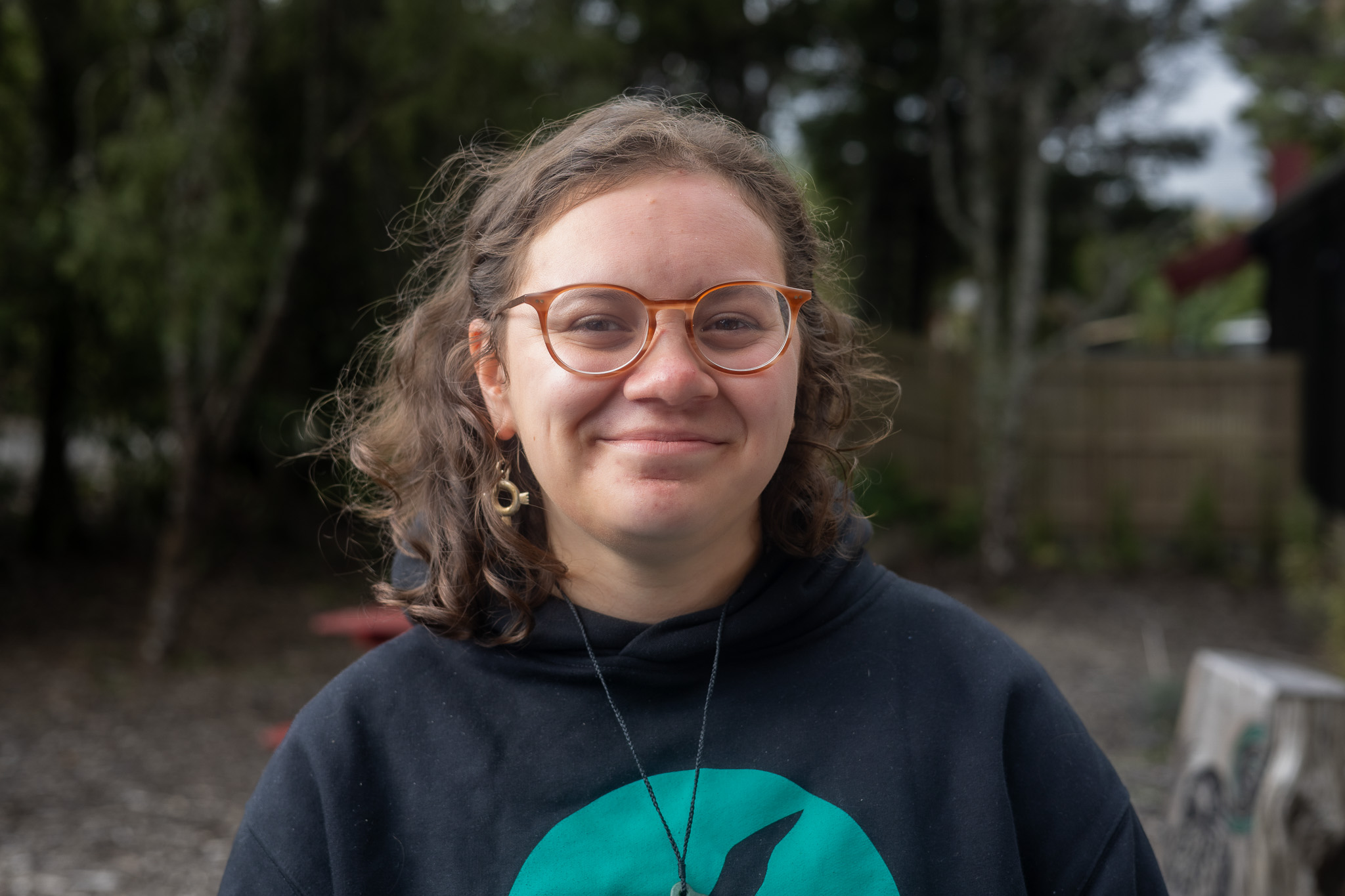
Tere Porter-Rawiri
Three Bioprotection Aotearoa Masters students graduated recently and have joined the work force. Here’s what Tere Porter-Rawiri has to say about what she accomplished during her Masters and what she’s up to next.
Place of study and thesis title
Victoria University of Wellington – Thesis title: Observing fungal diversity: the puāwaitanga of restored Wairarapa wetlands.
About the project
My project investigated fungal diversity in the Wairarapa wetlands and the relationships Māori have with fungi. I collected soil samples from restored and unrestored wetlands and used DNA extraction and metabarcoding analysis to assess fungal diversity and how it relates to ecological restoration. I also carried out interviews with Māori in Wairarapa to understand contemporary perspectives, mātauranga about fungi, and environmental aspirations for the region.
I found that fungal communities were diverse and responsive to environmental conditions, highlighting their potential as indicators in restoration. Interviews revealed multifaceted connections to fungi, including their ecological importance, their role in Wairarapa restoration, and connections to atua. Together, these findings show that fungi are both key ecological components and important in Māori knowledge and practice, offering opportunities to support restoration and environmental aspirations in Wairarapa.
Outside of your “main findings”, what did you learn through the Master’s process?
I enjoyed attending community events in Wairarapa, hearing people’s stories and aspirations through my interviews, and gaining insight into their daily lives and passions. It reminded me of home in Taranaki. The rohe holds many kōrero that are little known to the wider public, which I glimpsed through my thesis but could not fully explore.
Current and future plans
My master’s gave me the drive to take on new ideas and sparked my interest in the challenge of doing work that hasn’t been done before. I’m currently a project manager at a medical specialty college in Wellington. I’m coordinating an Indigenous health curriculum and supporting specialists to feel confident in cultural safety, ultimately providing better healthcare options for our whānau. This experience will help me build transferable skills and give me space to think about what I want my PhD to be. In the next five years, I hope to complete a PhD focused on te taiao, kaupapa Māori science, and community-based research on my whenua in Waitara, Taranaki.
How has BA supported you?
I really enjoyed the opportunity to be part of outreach, be in a different educational space, and see the significance of engaging with kura kaupapa. It was amazing watch the two tauira grow in confidence in their pūtaiao knowledge over the course of a BA-supported trip.
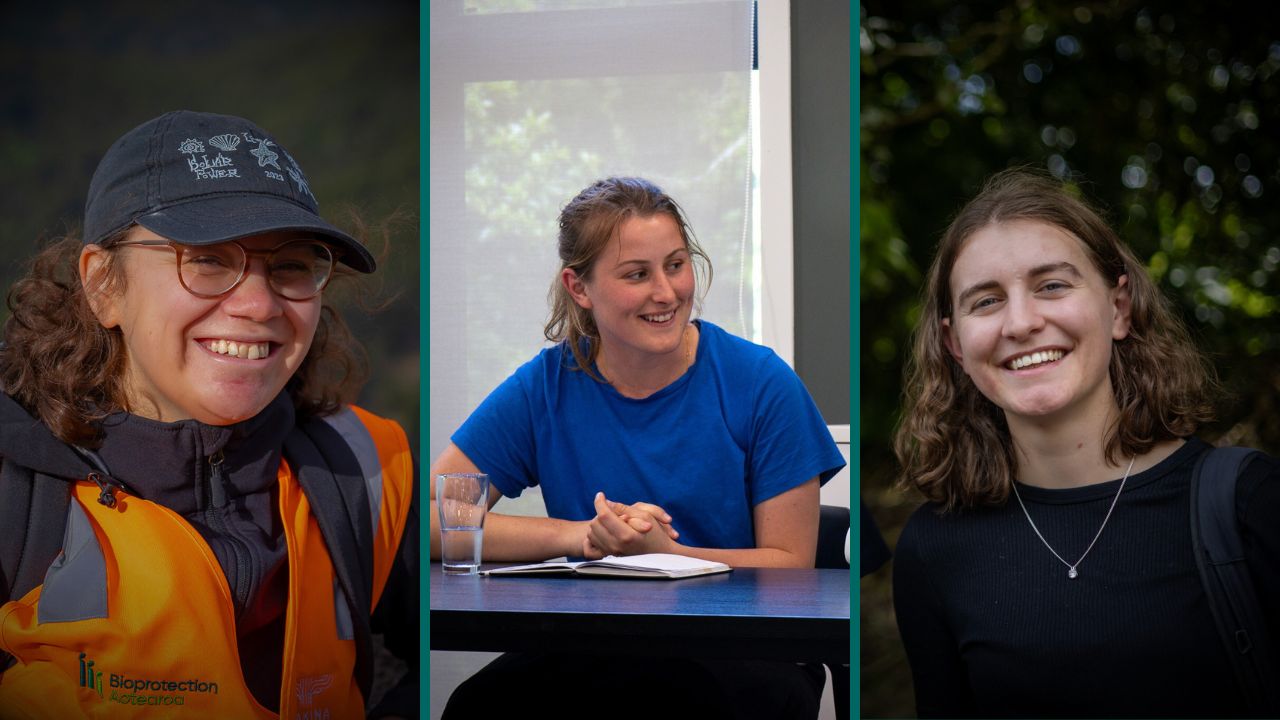
Meet the rest of the 2025 masters cohort
This Q&A is part of a series shining a light on our Masters students who have graduated in 2025. Continue the series by reading the remaining profiles and meet more of the talented graduates shaping the future of bioprotection. See what Pearl Ruston and Julia Palmer had to say about what they accomplished during their Masters and what they’re up to next.
More Information
- Research | Mātauranga Māori and diversity of fungi in wetland forests
Learn more about Tere’s research with Bioprotection Aotearoa, exploring the importance of fungi to tangata whenua or Māori living in Wairarapa, and mātauranga Māori about fungi is explored with the purpose of characterising fungal community diversity in restored, unrestored, and conserved wetland forests
Find out more about this project >>