 Home
Home


Project Details
Project status
In progress
Research Framework
Pou Nuku-a-Rangi
Research Duration
August 2025 - July 2028
Project Overview
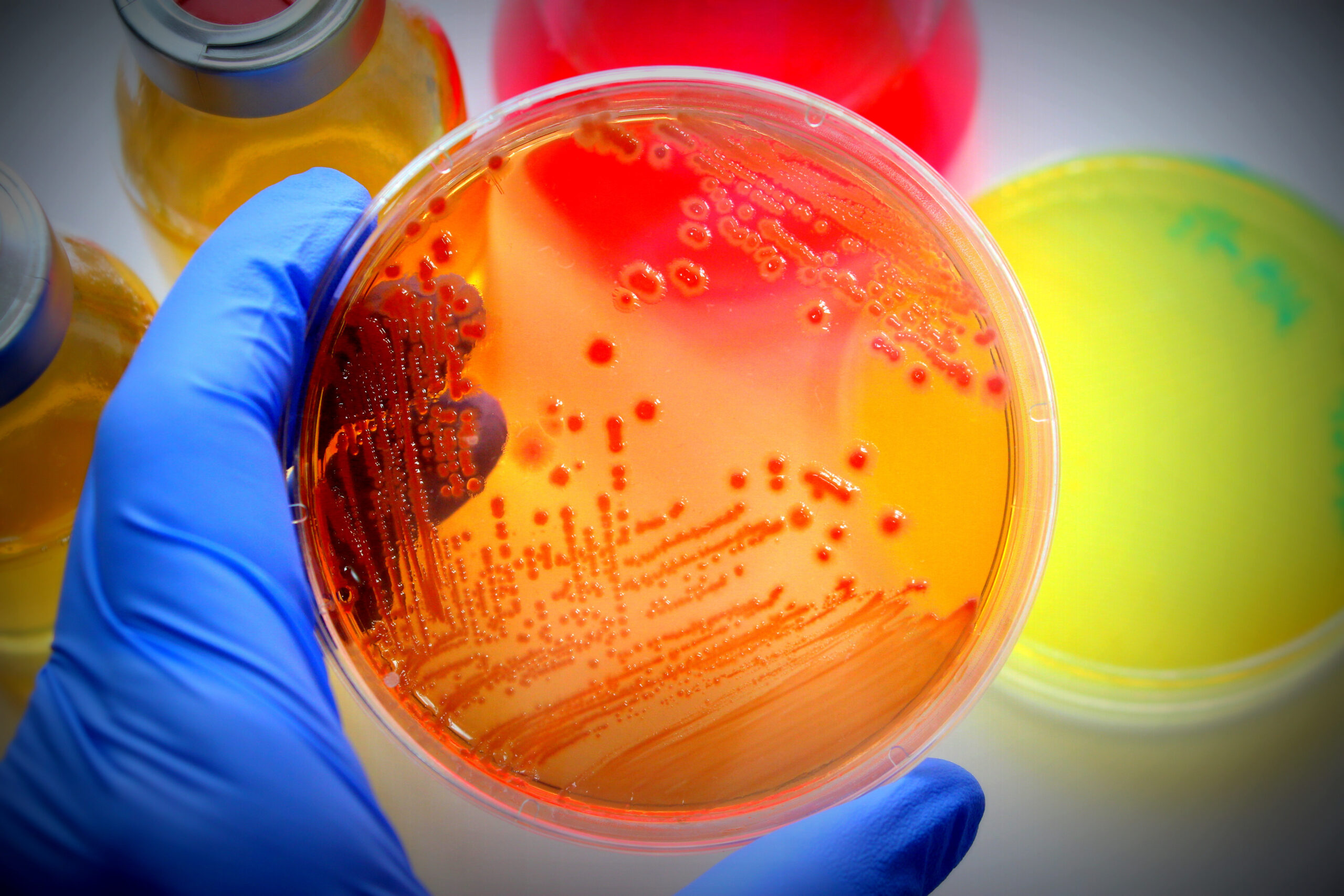
Hidden microbes that travel with nursery-grown native plants into forest restoration sites are the focus of this research. These fungal and oomycete “hitchhikers” accompany young seedlings and can be accidentally introduced to natural environments when planted. Although unseen, these microbes may influence plant survival, plant health, and the long-term recovery of restored forests.
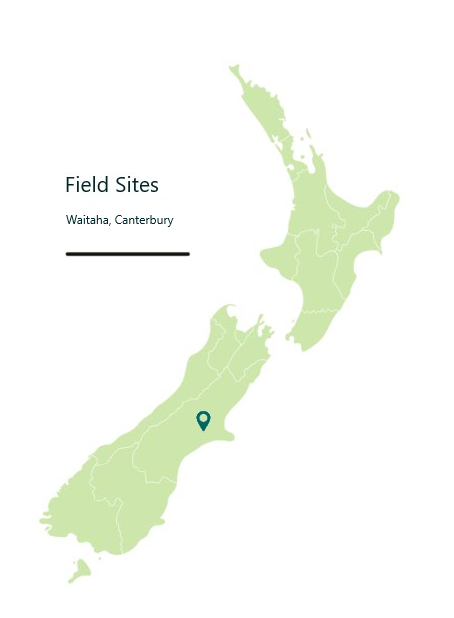
This research is situated in the Waitaha Canterbury Region, where kānuka is widely used as a pioneer species for large-scale restoration. The first stage profiles and compares the fungal and oomycete communities found on nursery-raised kānuka (Kunzea ericoides) with those that are naturally regenerating in natural sites. The next stage evaluates whether these microbial communities persist across different ages of kānuka plantings to see whether they fade, remain stable, or become established with planting age.
The final stage assesses the impact of these potential pathogens by linking their presence and abundance to plant health, growth, and early successional forest recovery. This multi-phase approach aims to provide a better understanding of how hidden microbes may contribute to shaping restoration success.
Why This Matters
Success of forest restoration is shaped both by the plants that are introduced and the microbes that come with them. If harmful pathogens are unintentionally introduced by nursery plants and survive in the environment, they could jeopardise plant survival, reduce forest resilience, or alter soil microbial communities. Understanding where these microbes come from, how long they survive, and how they affect the ecosystem will support stronger biosecurity strategies and more effective restoration results by improving early diagnosis, monitoring and assessment of their impacts.
This work also aims to support the native plant nurseries, local councils, restoration groups, and mana whenua by providing better information and evidence that would improve restoration planning, reduce imposed risk, and help protect restored forests during their vulnerable early years.
Project Objectives
- Evaluate if nursery-raised kānuka carry distinct fungal and oomycete communities different from those that are regenerating from natural stands.
- Identify which pathogens are being introduced from nursery sites and which occur in restoration sites naturally.
- Identify which nursery-associated fungal and oomycete species continue to persist in kānuka plantings as they age, from one to five years after planting.
- Evaluate the impact of potential pathogens by assessing whether their presence and abundance are linked to plant health, growth, and the overall success of forest restoration.
Project Collaborators
Related Research
In progress
Oomycetes as hidden drivers of forest succession
In progress
T2 | Identifying Microbial Threats