
 Home
Home


Project Details
Project status
In progress
Research Framework
Pou Nuku-a-Rangi
Research Duration
August 2025 to July 2028
Project Overview
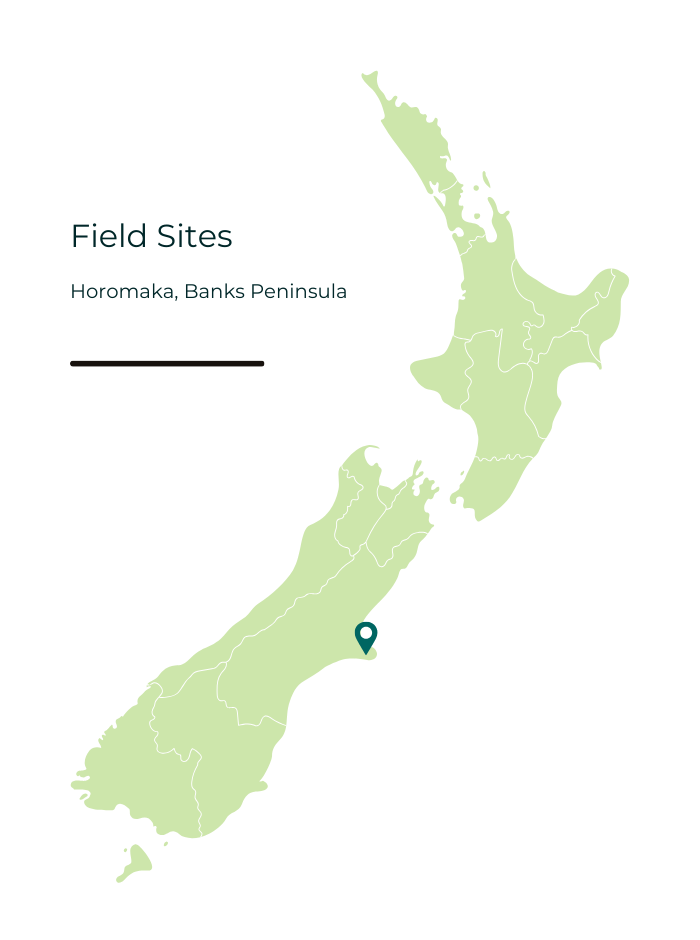
Oomycetes are a diverse group of terrestrial and aquatic microorganisms, many of which are known to infect plants and animals. This study will focus on oomycete communities in kānuka stands and adjacent grasslands across Horomaka | Banks Peninsula. The research investigates the role of oomycetes in driving three stages of plant community dynamics: seedling establishment, sapling competition, and forest succession.
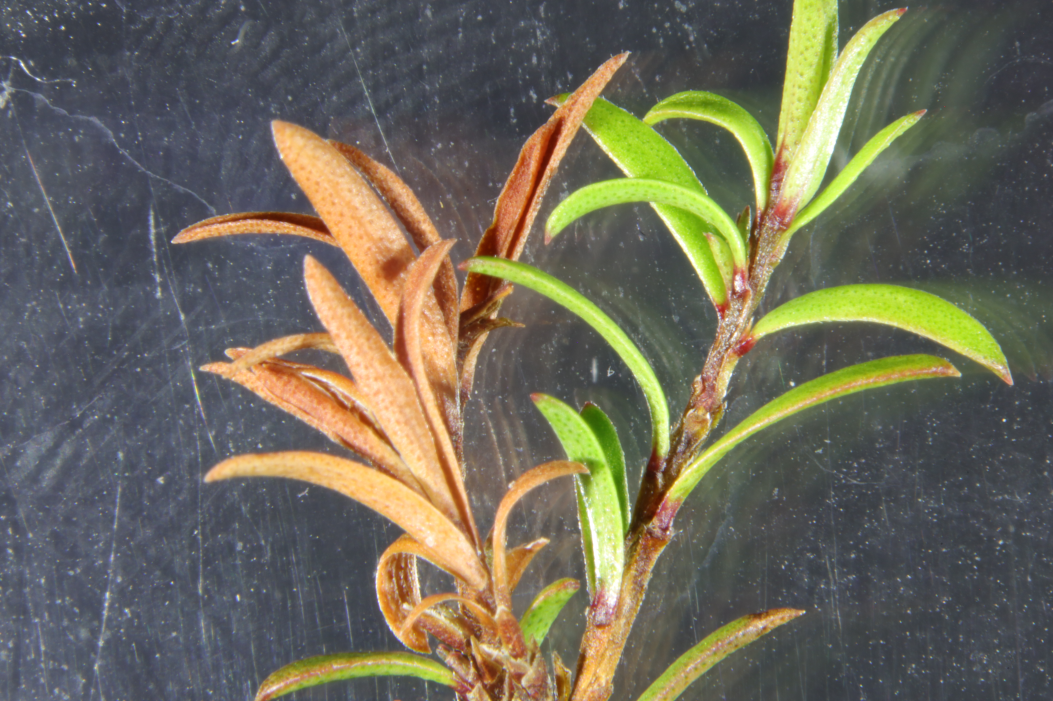
In areas dominated by a single plant species, pathogens of that plant often accumulate over time, influencing which other plants can establish and grow. Based on this principle, this study hypothesises that the soils found in inner kānuka stands contain higher abundances of oomycetes than soils in grasslands or along the forest-grassland edge. If correct, kānuka seeds grown in kānuka-soil are expected to show lower germination rates than those grown in grassland or edge soil. A separate experiment examines how oomycetes influence sapling competition among kānuka and two successional species — five-finger (Pseudopanax arboreus) and tōtara (Podocarpus totara). Additional measurements assess whether oomycetes have measurable effects on canopy openness and understory plants in kānuka forests.
Together, these trials aim to reveal the hidden role of oomycetes in shaping plant community dynamics, supporting forest succession and enhancing biodiversity, other than their reputation as simple plant pathogens.
Why This Matters
Gaining insight into oomycete communities will not only help to understand their pathogenic roles but also reveal how they may contribute to enhancing biodiversity and ecosystem functioning.
This research aligns with Bioprotection Aotearoa’s mission to strengthen ecosystem resilience by uncovering the invisible microbial drivers that determine how kānuka stands transition into mature forests that are more diverse and stable. By understanding how oomycetes regulate plant growth and competition, we acquire vital insights into forest health that can be integrated with the indigenous knowledge (mātauranga Māori) regarding the life history of kānuka and the restoration of native successional plants like tōtara. This work is designed for real-world impact, moving from greenhouse trials to natural stands to provide forest managers with practical, science-backed evidence on how to foster hardy, diverse ecosystems.
Project Objectives
- To determine the role of oomycetes in forest and grassland soils on the germination of kānuka seedlings and later succcessional.
- To determine whether the oomycetes have a role in the survival and relative competition of plants at their establishment phase.
- To determine whether specific oomycete communities reduce the canopy cover of established kanuka trees.
Project Collaborators
Related Research
In progress
T2 | Identifying Microbial Threats
How microbial diversity influences the success of land restoration
In progress
T2 | Identifying Microbial Threats