3 October 2022
Te manu e kai ana i te miro, nōna te ngahere; te manu e kai ana i te mātauranga nōna te ao. Bioprotection Aotearoa is committed to establishing opportunities that…
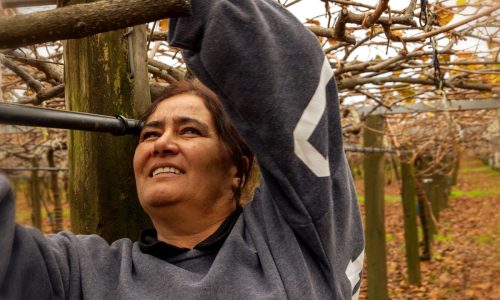
Te Kaha is a quiet coastal town located in the Eastern Bay of Plenty and is one of three focus regions of scientific research for Bioprotection Aotearoa. Te Kaha 15b…
28 September 2022
In August 2022 The Ministry for the Environment opened up a consultation process seeking feedback to retain or amend the application of the Resources Management (National Environmental Standards) for Freshwater…
25 September 2022
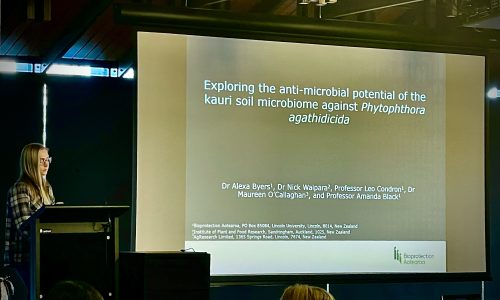
Kauri dieback is the common term for the disease that is killing kauri trees here in Aotearoa New Zealand. The scientific name for the pathogen that causes the disease is Phytophthora agathidicida….
20 September 2022
Dr Sarah Inwood, is a postdoctoral researcher at Bioprotection Aotearoa based at the University of Otago. She has always been interested in applied research that would improve outcomes for Aotearoa…
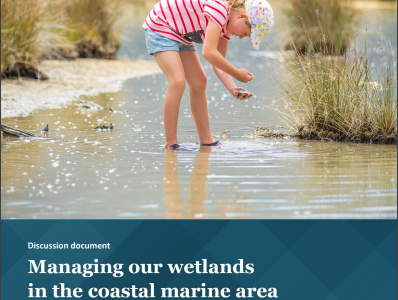
Wetlands are critical ecosystems, providing rich biodiversity, water purification, carbon sequestration, flood abatement, mahinga kai and whatu, and recreation and wellbeing. Aotearoa New Zealand has lost over 90% of its…
19 September 2022
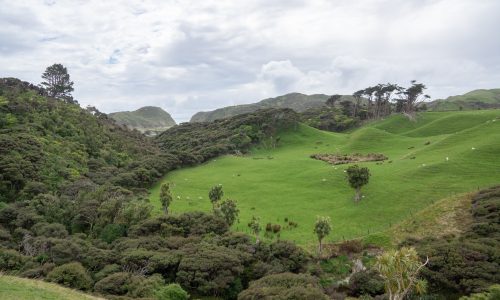
Mānuka and kānuka shrublands are spread across Aotearoa New Zealand and provide important economic, environmental, and cultural benefits. They are a source of high-value honey and traditional medicines, and they…
16 August 2022
Bioprotection Aotearoa would like to congratulate New Zealand Plant Protection Society which reached a significant milestone by celebrating its 75th annual conference. This was preceded by a one-day symposium, on…
4 August 2022
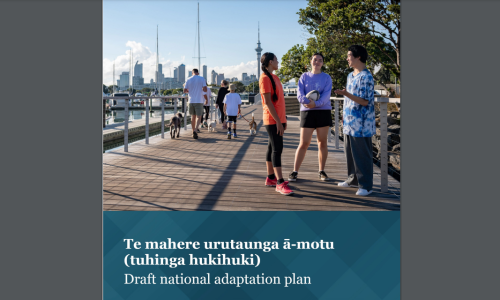
Bioprotection Aotearoa welcomes the release of the national adaptation plan but believes it falls short of providing clarity and understanding of what adaptation means concerning climate change, particularly for our…
30 June 2022
The Ministry for the Environment consulted on a draft national plan to help Aotearoa New Zealand adapt to and minimise the harmful impacts of climate change. Professor Anita Wreford prepared…

 Home
Home