 Home
Home8 July 2026
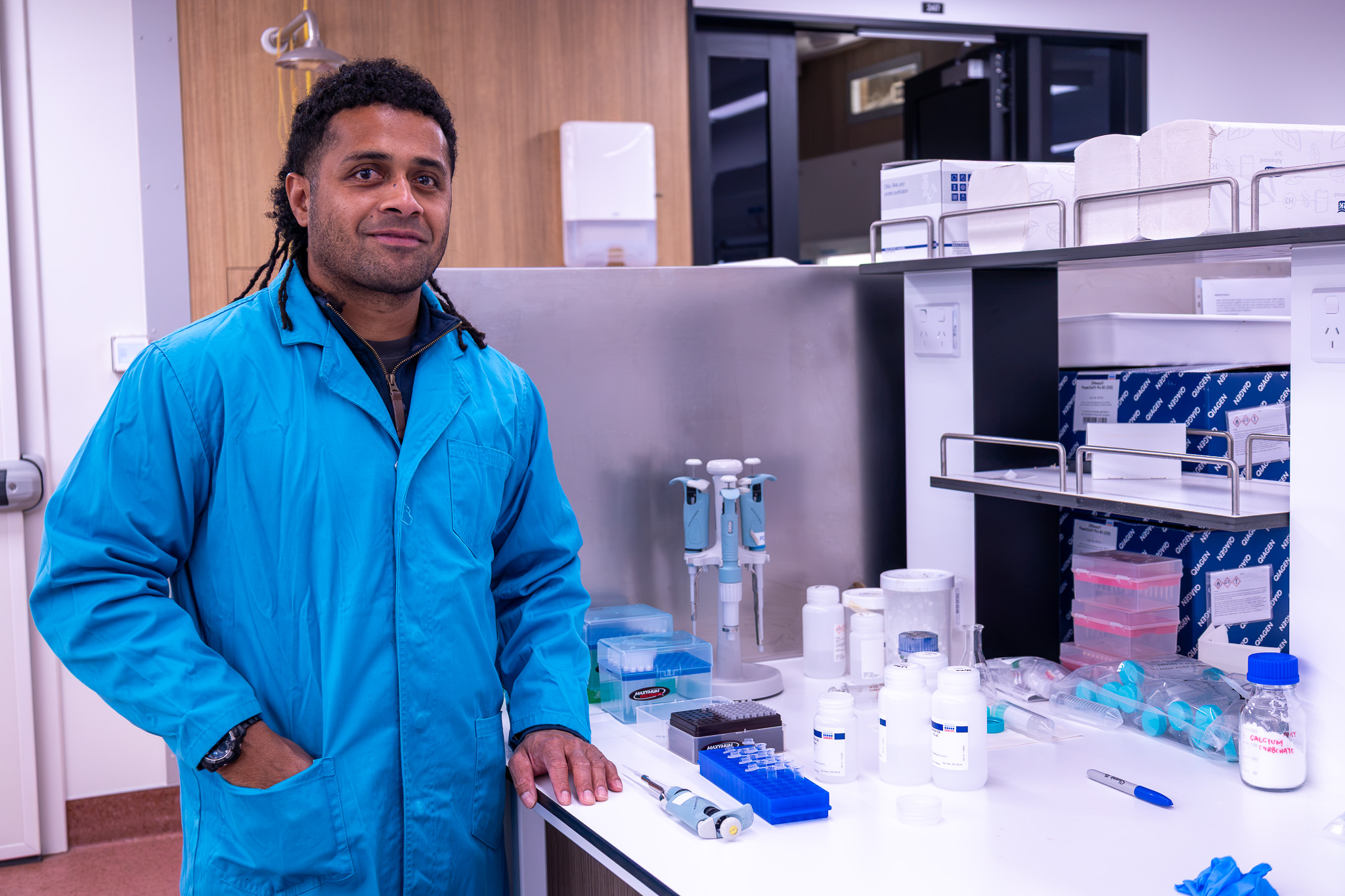
Mesu Tora, PhD student at his bench space in the PC2 lab at Lincoln University
“Kodaki I tam vinajia na cakacaka I vitovutovu, la I vuli! Io mako I sa lai vuli, vuli sara vakaikai mo kua ni lesu leqwa me I vitovutovu”
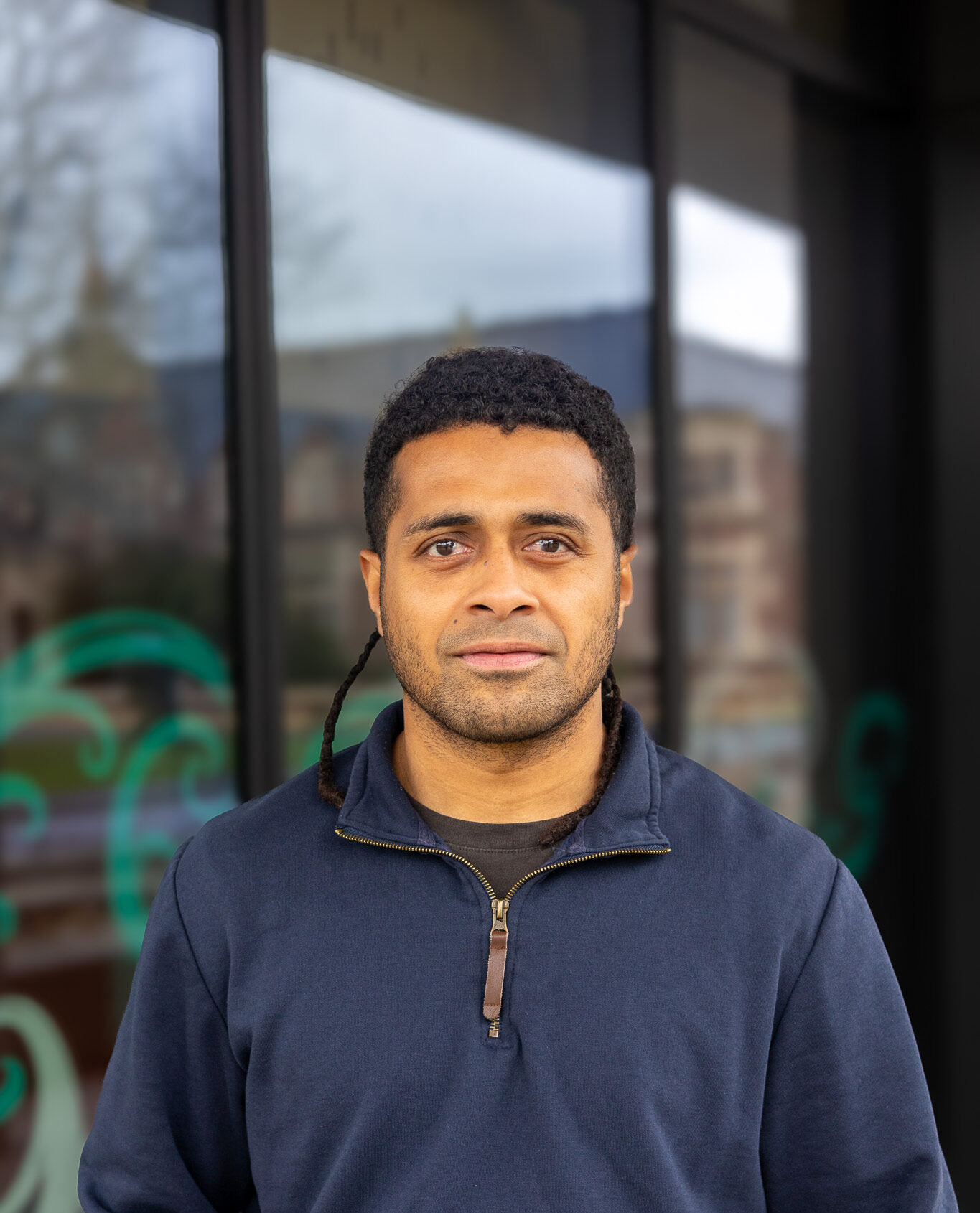
“If you don’t like working in the sugarcane fields, go study! Study hard, so you don’t come back to this job!” That was the advice Mesu Tora’s grandfather gave him while growing up on the sugarcane fields in Nadi, the western side of Fiji.
Mesu is from a long line of sugarcane farmers. Growing up, his days began at 5am, watering the vegetable crops by the river, and then running over to sugarcane fields to help distribute morning tea to cane cutters before school started.
After school and on most weekends was more of the same, tending the sugarcane crops and then the vegetable crops before sundown.
The physical demands of working these systems were relentless. It was enough motivation to take his grandfather’s advice and get his bachelor’s degree in environmental studies at the University of the South Pacific (USP) in Suva.
From the sugarcane fields to an undergraduate degree
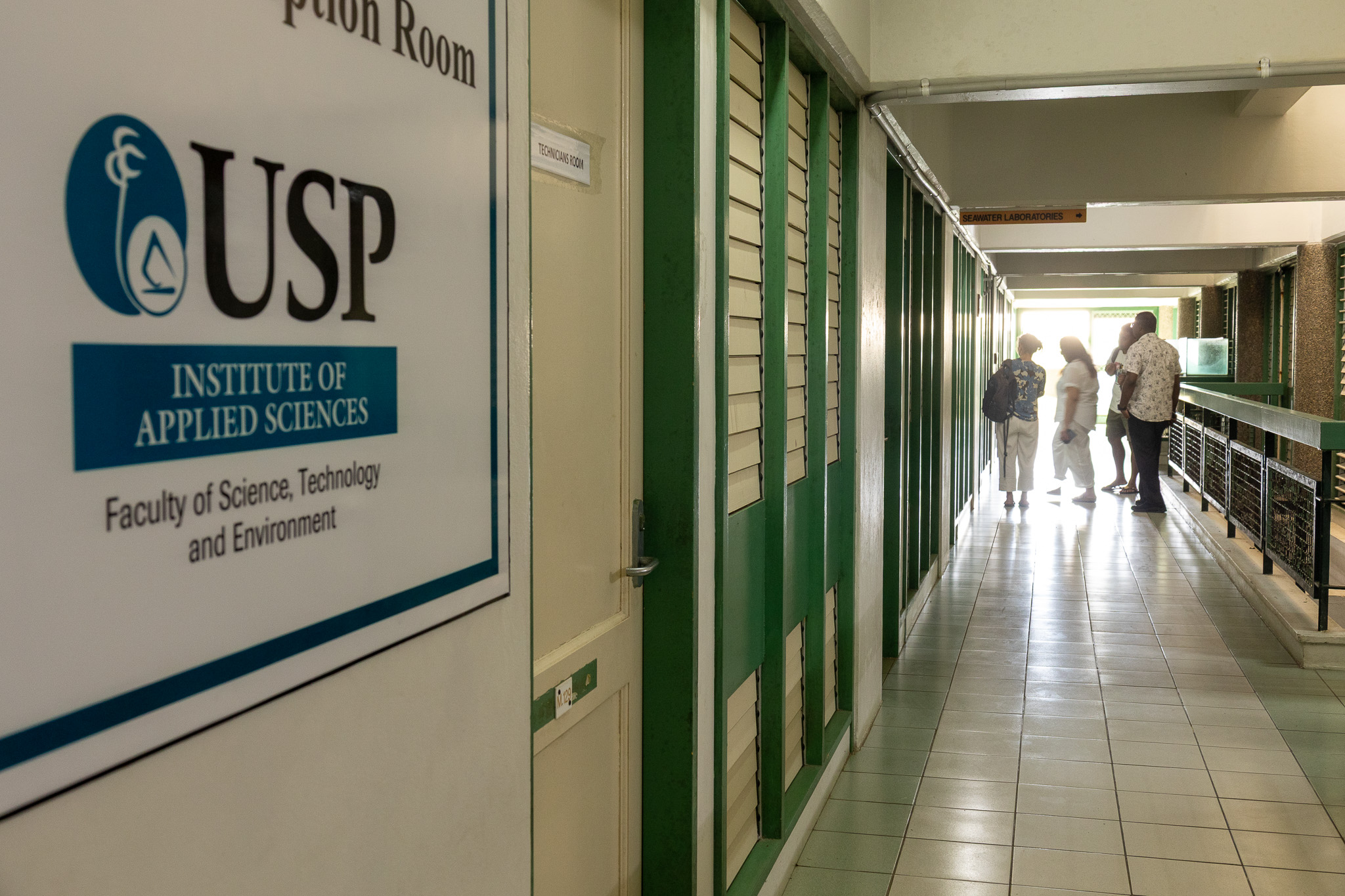
Mesu showing his supervisors around the University of the South Pacific (USP) in Suva
With a hard pass on returning to the lush fields of sugarcane, Mesu turned his attention to logging. The irony of working in this industry is not lost on Mesu.
“I was probably going against what I did for my degree, but logging is something that I was interested in as our family land goes up to the pine estates as well.”
While working here, Mesu met a research group from the University of Hawaii who were looking at agroforestry systems in Fiji and how these systems support resilience of Indigenous communities and their livelihood.
Mesu was fortunate to get a job on this project traveling across the three main islands of Fiji and meeting with more than ten different communities. He was blown away by the diversity of native plant species and traditional crops, land use types and farming systems beyond what he knew in sugarcane.
“I would wake up and look outside and all I could see was sugarcane. Yet on the other side of the island – it is trees, it is mixed, the farms are integrated in the forest as agroforestry systems. That was probably my very best experience with native forest, and land use management systems across different climatic regions of the islands.”
Pursuing postgraduate studies
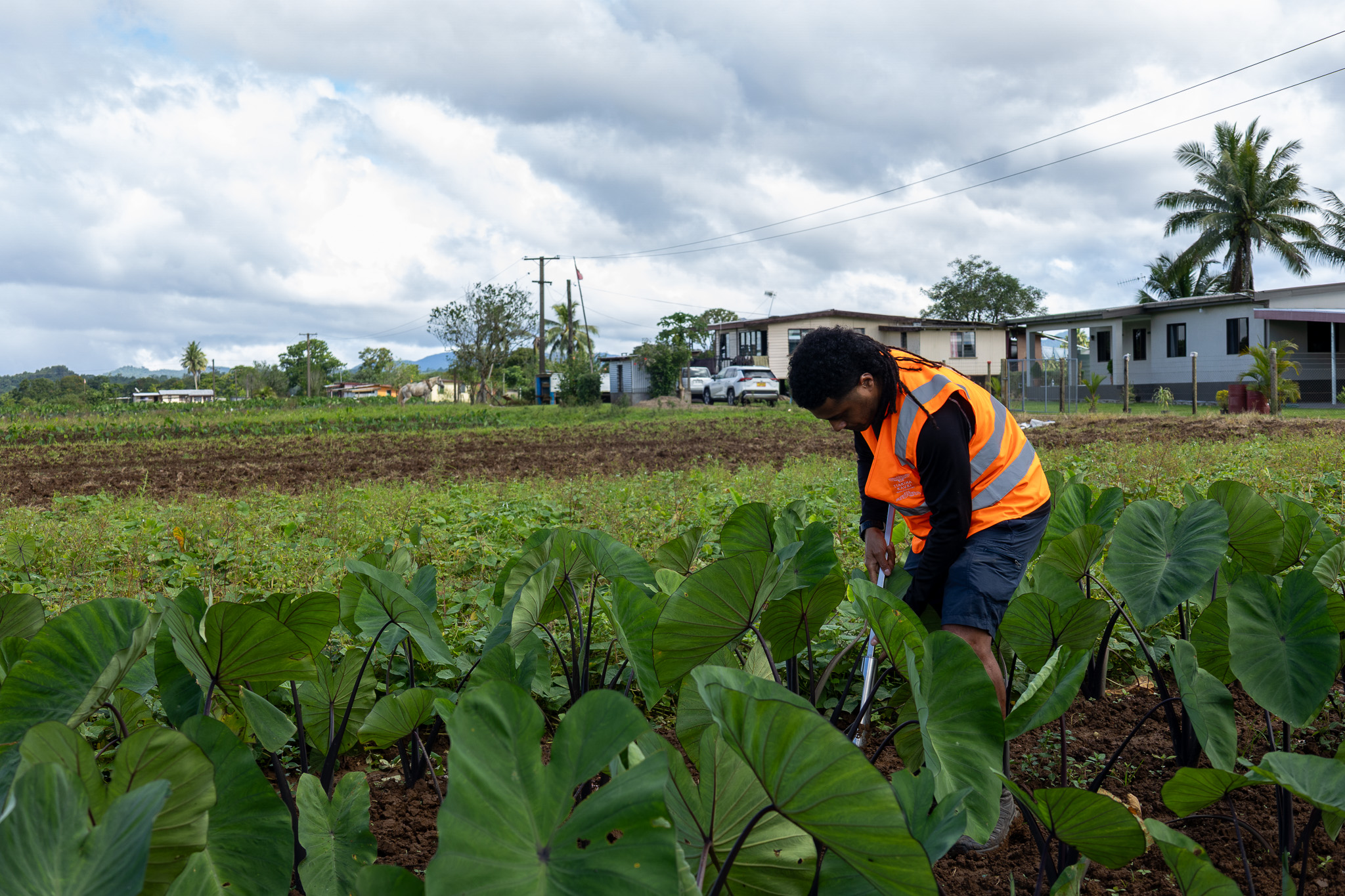
A monocropping system where Mesu is doing his field sampling.
Observing how PhD students and postdocs were doing this research was the catalyst Mesu needed to pursue his master’s at Massey University in New Zealand.
He worked with seeds and Indigenous plants from Aotearoa New Zealand focusing on the threats of myrtle rust on taonga species for his Master’s. It was a transitional time into research and academia as Mesu learned how to work with his supervisors leaning on them for guidance on what might or might not work.
With his Master’s complete, Mesu was awarded a PhD scholarship from Bioprotection Aotearoa as part of the Tranche 2 (2025-2028) research programme at Lincoln University. Mesu had always envisioned that he would one day centre his research around the plants of different agroforestry or cropping systems. It wasn’t until the end of a week-long scoping session in Fiji with his PhD supervisors including Professor Amanda Black, that this direction changed.
“It was quite a challenge, because I was sitting there and my head was in plants. Yet after interacting with people in Fiji, they were telling us they have a big issue with their soils.”
Refocusing his PhD
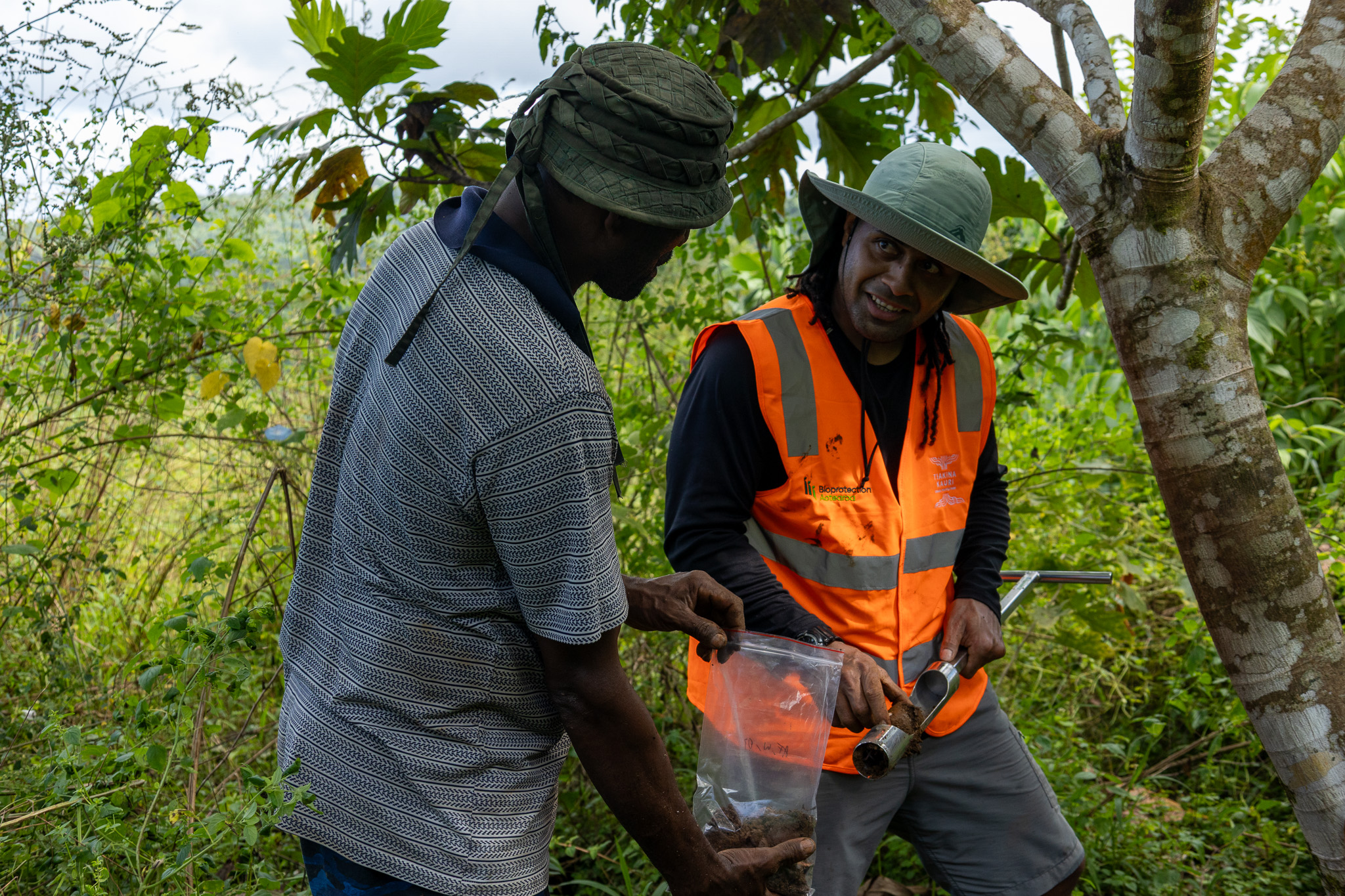
A local farmer who manages an agroforestry system in the highlands, helping Mesu with his sampling.
Mesu has since refocused his PhD to look at soil microbial communities across different agroecosystems in Fiji and their role in supporting ecosystem stability and productivity.
“Soil microbial communities play a fundamental role in driving key processes that are essential for the functioning of our agroecosystems. In return, they provide multiple ecosystem services that are critical to our livelihood and the sustainability of our environment.”
However, Mesu says there are big issues with the soil systems in Fiji from agricultural intensification, deforestation and climate change, and there is a lack of research around soil biology.
“Very little is known about the diversity of microbial communities in our soils, not only in Fiji but across Pacific Island Countries and Territories. How these communities respond to land use change and climate pressures has never been examined in our region.”
Only when soils became the focus of Mesu’s research question, did his research begin to make sense as he reflected on his experiences in the sugarcane fields.
“This work is critical in establishing not only baseline information but also provide critical scientific data to support the principles already embedded in our traditional stewardships as indigenous landowners and guardians of the vanua,” says Mesu.
“Vanua” literally translates to land, but its meaning goes far beyond a label to reflect the connection between land, people and customs that shape identity, belonging and social responsibility.
Three generations of knowledge
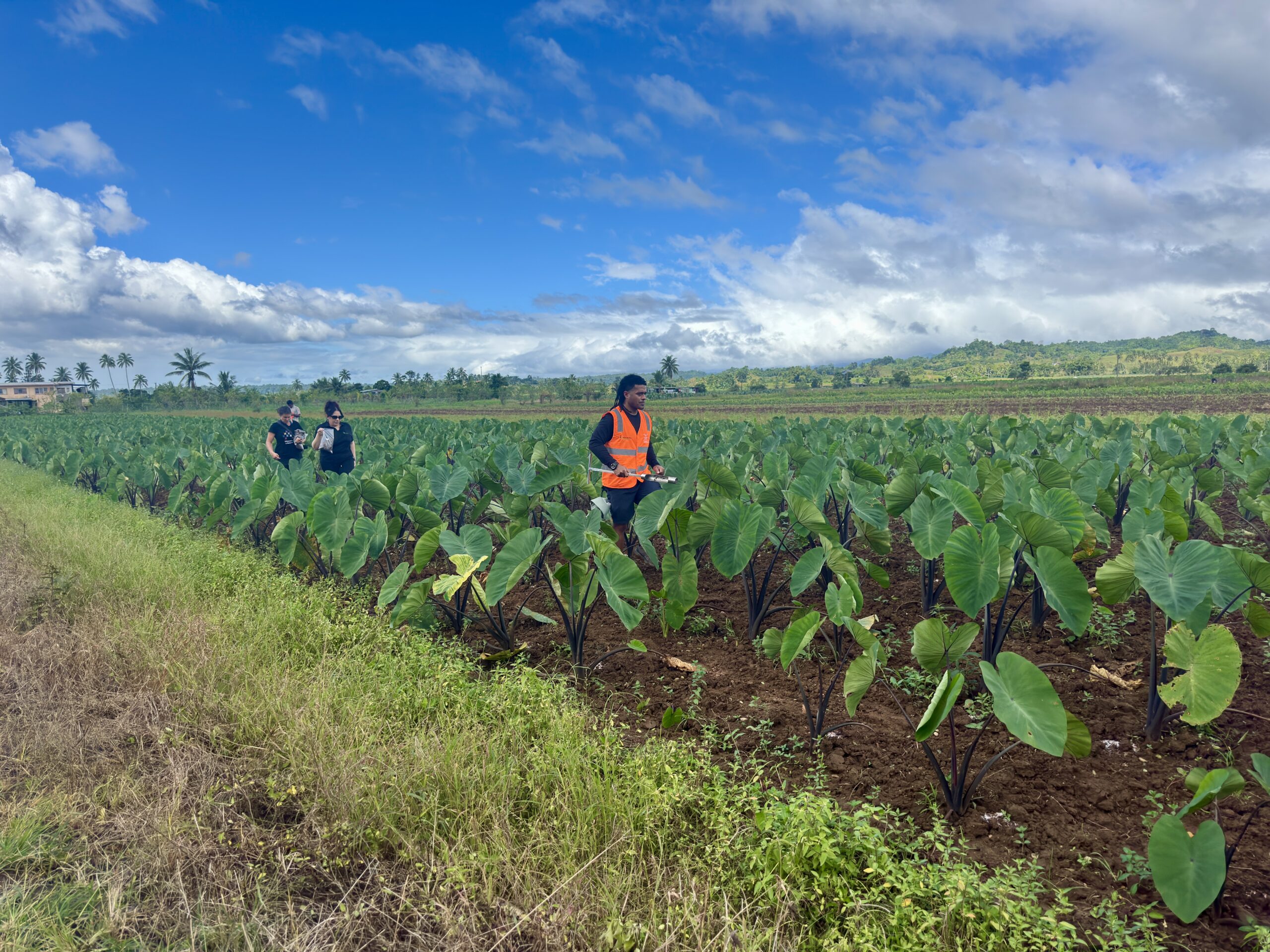
Mesu in the field collecting soil samples alongside his supervisors Professor Amanda Black and Dr Lauren Waller, who lent a hand on-site.
With a knowledge system forged over three generations, Mesu’s family have come to know their farms, their crops, and their soils through lived experience and knowledge passed down through the generations.
Alongside that familiarity are questions around things they notice and patterns they observe. Often, they would wonder why vegetables and root crops would only grow well on flood plains beside rivers but not upland where sugarcane was being cultivated. Or, most recently, why has the quality of sugarcane deteriorated even though they still apply the same management input. These questions remain unanswered.
Though extension services are available through government ministries to help answer these questions, Mesu notes that expert advice is not always fit for their context as they don’t have the lived experience of working within the sugarcane system.
“While I don’t have as much knowledge as my family, I still have some as I grew up around the system as well. Now that I am completing my PhD, I now can answer those questions they would otherwise seek from government ministries.”
With each visit back home, Mesu takes the opportunity to get in front of his family gatherings and present the progress of his PhD. Mesu can see the connections beginning to form between his research and what his family are doing to manage their sugarcane farm.
“I think they have always known the issues we have with our land and with our soil. They are more aware of the impacts of land use on our systems and can begin to visualise how they could change these kinds of scenarios and potentially fix things for our future generation. And perhaps, I could relay the same message from my grandfather to the next child from our clan to continue this journey.”
Additional Information
- Research
To learn more about Mesu’s PhD on the role of soil microbial communities and agroecosystem resilience, head to his research page.