
 Home
Home12 September 2025
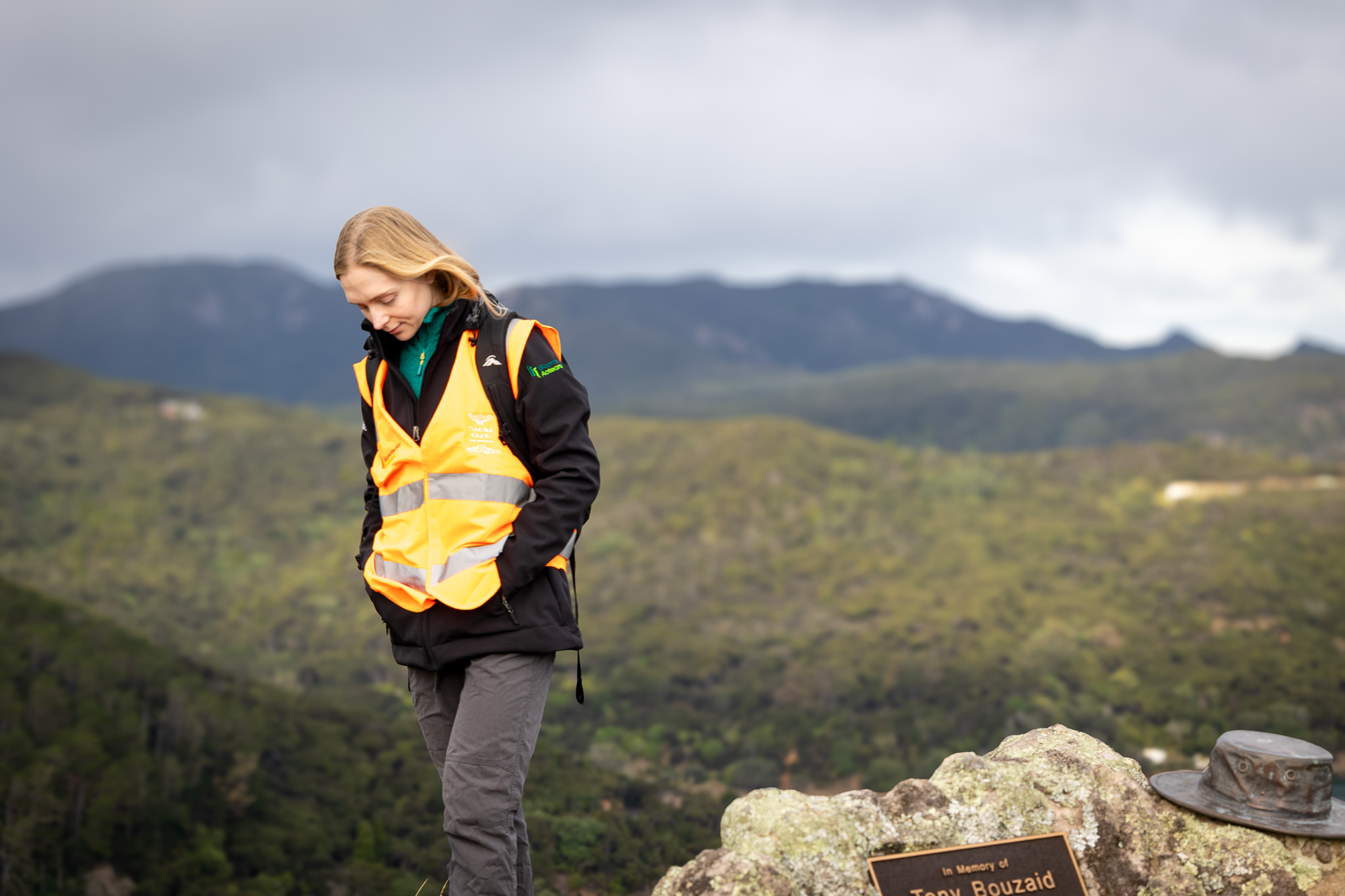
Dr Alexa Byers reflects on the story beneath her feet — the carbon stored in soils and its vital role in robust ecosystems.
Soil is more than just dirt. It’s a thriving ecological community where carbon plays a vital role in sustaining life and ecosystem health. Microbes break down organic matter, contributing to long-term carbon storage, while also using it for energy, releasing carbon dioxide through respiration.
For this underground community, carbon is a treasured resource. The amount of carbon stored in soil reflects an ecosystem’s resilience, benefiting not just plants and soil but also the atmosphere.
Throughout history, carbon has shaped ecosystems, and today, it remains a key indicator of an environment’s ability to withstand and recover from change. Carbon’s role in soil health and climate resilience has never been more important.
Measuring carbon wealth in Kaituna Valley
Kaituna Valley is located on the southwest side of Horomaka Banks Peninsula, extending from Te Ahu Pātiki Mount Herbert to Te Waihora Lake Ellesmere. The Kaituna River, which flows through the valley, has a rich history as an abundant source of kai (food) that teems with tuna (eels). Despite its relatively small size, Kaituna Valley contains a diverse range of land uses. This patchwork landscape provided an ideal case study for Dr Alexa Byers, a Postdoctoral Fellow at Lincoln University. Alexa set out to investigate whether soil carbon levels in Kaituna Valley varied according to how land was used. She hypothesised that land that was heavily used for agriculture would have lower carbon stores than native fragments of land.
“You have your pine, which has been a pine forest for over 20 years. You have native forests, which have retained native cover. And then you have your intensively used agricultural sites.”
This diverse landscape provided Alexa with a semi-controlled research setting that balanced natural variability with the consistency needed for comparisons. It offered ideal conditions for measuring carbon levels across different land uses, including remnant native forest, regenerating native bush, exotic plantation forest, dryland pasture, and irrigated pasture.
The active carbon zone
While it’s tempting to imagine that soil carbon is stored deep underground like a locked vault, the real action happens much closer to the surface. In the top 10cm of soil, microbial life rapidly cycles carbon, shaping soil health and resilience. Alexa calls this the ‘active carbon zone’, the area with the greatest carbon flux between the atmosphere and the soil.
“You might expect that less disturbed land has a soil profile that has remained relatively intact over time, providing an opportunity to accumulate more carbon, whereas land that has had its soil layers mixed up and its soil profile disturbed might have had greater carbon losses.”
Armed with samples from the top 10cm of soil across the different land uses, Alexa set out to determine how changes in land use alter the way soil microbes process carbon, ultimately influencing soil carbon levels among land uses.
Plot twist: rethinking soil carbon dynamics
When she began analysing her data, Alexa was in for a surprise. She found no significant variation in soil carbon levels among land uses.
“I thought there would be a big difference, but the carbon levels in the soil weren’t that different,” says Alexa.
To probe further, Alexa’s research methodology allowed her to analyse the DNA of microbial genes involved in soil carbon cycling. She found differences in the diversity and abundance of microbial cycling genes, suggesting potential variations in how carbon is processed across land uses.
“One of the big surprises to me was the site with the highest plant diversity, the native forest site, actually had the lowest diversity of carbon cycling genes,” Alexa explains.
This was in stark contrast to her hypothesis that the site with the highest plant diversity would have the highest microbial gene diversity. Alexa thinks her results may be due to native forests having a more stable environment with fewer disturbances in the soil over time. However, further research is needed to test this theory.
“I didn’t find what I had expected, which as a scientist, is really interesting,” Alexa reflects. “But I imagine this must be frustrating for land managers when there’s no real single or straightforward answer to this research. Still, that’s the nature of science.”
Going deep
With the understanding that land use influences the gene diversity of soil microbes and the way they cycle carbon, Alexa hopes to expand her research by sampling in other areas to see if her results can be replicated and compared.
“One thing that we didn’t look at is depth, which is really important for soil carbon, particularly when you’re measuring its levels in soil.” says Alexa.
To build on her research and assess long-term carbon storage, Alexa will sample soil at depths of 50-60cm to look for any big differences in soil carbon there.
“That’s definitely an area worth exploring next, and it might help answer some of our questions about why we didn’t see any major differences,” Alexa concludes.
This story was first published in Ko Te Toa i a Tini – 2024 Annual Report
More Information
- Webinar | Studying drivers of soil carbon resilience across agroecosystems in Waitaha | Canterbury
Watch Alexa’s webinar as she shares insights from her research on how land use and management influence soil microbial communities and their carbon utilisation.
Register now, or watch her session on demand >>
- Research | Enhancing resilience of soil carbon across agricultural landscapes
Discover Alexa’s research within Bioprotection Aotearoa, quantifying the impacts of land use change on soil carbon cycling across agricultural landscapes.
Find out more about this project >>
Building on this, Alexa is co-leading new research within Pou Nuku-a-rangi, Farming for Resilience. This investigates how land use change shapes soil carbon cycling across agricultural landscapes.