 Home
Home7 October 2025

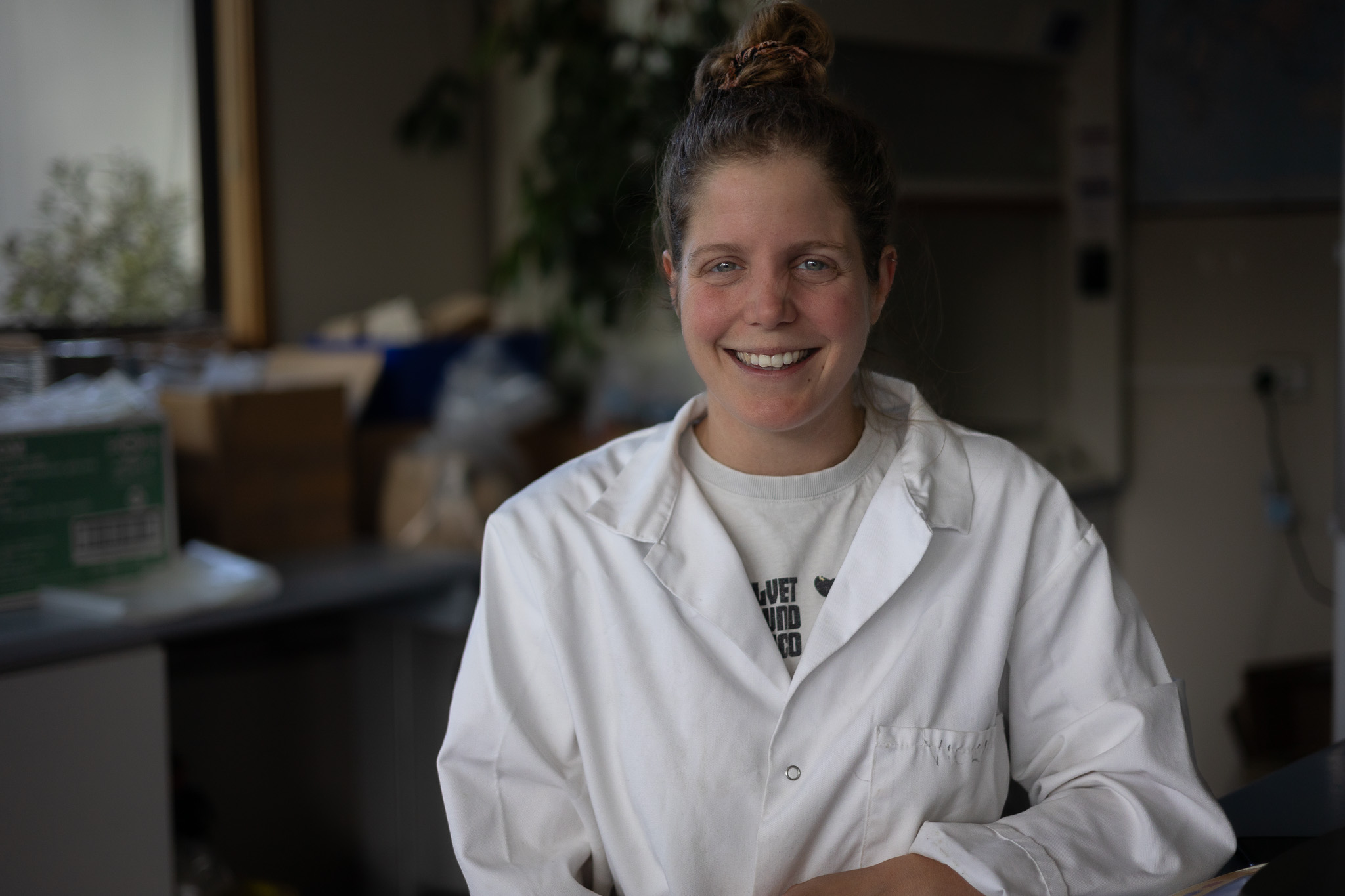
Dr John Ramana in the field, searching for the indicators that tell the story of ecosystem health.
When we fall ill, we usually know what health looks like and how to recover. Whether we need medication, rest or lifestyle changes, we can return to a healthy baseline and carry on.
Like humans, ecosystems might become ‘unhealthy’ through stressors like pests, weeds and pathogens that affect their ability to function and be productive. Some ecosystems can recover on their own, while others may need human intervention. But before people can intervene and restore what is damaged, they first need to understand what a ‘healthy’ ecosystem looks like.
Ecosystem health isn’t just a scientific question; it’s a critical issue that landowners, conservationists and communities care deeply about. Developing meaningful ways to look at it helps bridge the gap between science and real-world decisions.
This research brings together a diverse team of researchers, each playing a role in exploring what underpins ecosystem health.
Context is key: there is no land without people
This research project falls under Pou Titirangi, the first pou of the research framework Te Taiao-a-Rangi. Project leader Professor Ian Dickie describes this as the ‘listening pou’ focused on observing, listening and understanding what is happening across a range of different ecosystems.
“Bioprotection isn’t about distant natural systems, it’s focused on landscapes with people. Across Horomaka you have agricultural, recreational and conservation land areas with lots of people, all sitting right next to each other,” says Ian.
What’s considered ‘healthy’ depends on land use and its purpose. An indigenous forest fragment and a kiwifruit orchard may both be thriving, but their definitions of ‘health’ look very different.
Comprehensive research design
The project team chose kānuka as the focal species for this research. Choosing kānuka was inspired by restoration plantings of Wairewa Rūnanga, who aspire to recloak their whenua (land) in native forest.
Kānuka, an endemic species to Aotearoa New Zealand, plays a vital role in ecological succession, helping establish new ecosystems after disturbances such as fire or abandoned grasslands and laying the foundation for the development of mature forests.
Postdoctoral Fellow Dr John Ramana, based at Manaaki Whenua – Landcare Research, spent significant time identifying kānuka forests across Horomaka. He contacted landowners to gain access to sites across a range of elevations and rainfall levels.
At 30 sites, the project team sampled around a focal kānuka tree to capture a more complete picture of ecosystem dynamics along the edges and in the interior of forest patches.
“We measured a lot of different things,” John explains, including foliar damage, soil nutrients, key environmental factors, pathogen presence on leaves, the community of beneficial microbes, tree age, growth rates, and nutrient uptake.
The team had initially hoped this data could be collated into a dashboard to provide landowners with an indication of forest health. However, synthesising the data into a clear picture of ecosystem health has been more complex than expected, and the project team did not land on a simple definition of ecosystem health.
“Ecosystem ‘health’ can look so different depending on the context,” John explains.
At the core of ecosystem health is resilience and resistance
Although the project team did not find a simple definition of ecosystem health, they believe healthy ecosystems still share a fundamental attribute. This is centred around resistance and resilience and is what Ian describes to be at the core of ecosystem health.
“It’s not how fast you grow. It’s not how productive you are. It’s about maintaining that growth and productivity even when things get a little stressful.”
Building on this idea, Ilaria La Bianca, a PhD student from the University of Canterbury, is exploring how soil ecosystems respond and function under drought or flooding stress. She is using the same kānuka sampling sites to examine the short and long-term effects of moisture stress on soil and plant dynamics.
By analysing DNA data obtained from these sites, Ilaria has identified soil microbiomes present in the ecosystem and is working to determine whether they play a role in the resistance and resilience of soil and kānuka plants.
Pathogens in plain sight
Oomycetes are a well-known group of organisms commonly found in aquatic systems and are mostly pathogenic. But across the 30 kānuka sites, the team is finding new oomycete species in abundance, which are completely undocumented in science.
“What do you do with that? We’ve got one of the most important tree species in Aotearoa New Zealand, that is a taonga species, and of enormous importance to local rūnanga, with a potential
pathogen in its leaves that we have no idea what it is, and no idea what it’s doing,” says Ian.
John adds that pathogens are a normal part of ecosystems. In fact, they can play essential roles in maintaining healthy ecosystems by supporting dynamic processes. The important part, John
explains, is understanding the potential toll these pathogens may have, what drives their activity, and how their populations change over time.
Very few studies have examined pathogenic oomycetes that do not appear to cause ill effects in ecosystems. Ian notes, “You tend to think, ‘I’ll wait until there’s a problem, and then I’ll go study the problem.’ We’re probably one of about a dozen studies that has actually looked at oomycetes in natural communities, so our work is really critical to understanding how these communities respond to the environment.”
Where to from here?
With so much effort invested in defining ecosystem health, only to uncover more questions than answers, one might wonder if the pursuit was too ambitious.
“No, not at all,” John says confidently. “It’s interesting. We are reframing our focus away from defining health and instead leveraging new technologies for quick detection.”
These technologies include nanopore sequencing, which provides long DNA reads, enabling a clearer picture of what pathogens could be present. Remote sensing also has the potential to help flag areas of threat early without the need to be on the ground.
Understanding what keeps ecosystems functioning is becoming increasingly important as climate change accelerates. Bioprotection Aotearoa’s research isn’t just about reacting to threats. It’s about equipping us to protect Aotearoa New Zealand’s landscapes for generations to come.
“When we’re trying to restore an ecosystem, we can have a goal in mind, one that gives us security in the land to continue doing what we need it to do, and what it needs to do,” Ian concludes.
This story was first published in Ko Te Toa i a Tini – 2024 Annual Report
More Information
- Webinar | Microbial indicators of forest health and environmental change
Watch John’s webinar as he shares his research insights.
Register now, or watch his session on demand >>
- Research | Understanding the drivers of plant health
Explore John’s research, which investigates the role of the plant microbiome in supporting plant health, and assessing its potential transferability to enhance restoration plantings.
Find out more about this project >>
Building on this, John is co-leading new research within Pou Tokomanawa, Identifying New and Emerging Microbial Threats. This looks into how we can improve detection, monitoring, and understanding microbial threats across dynamic landscapes.