Author Archive

We suck at food security and we need to get better

Tuesday, May 26th, 2026

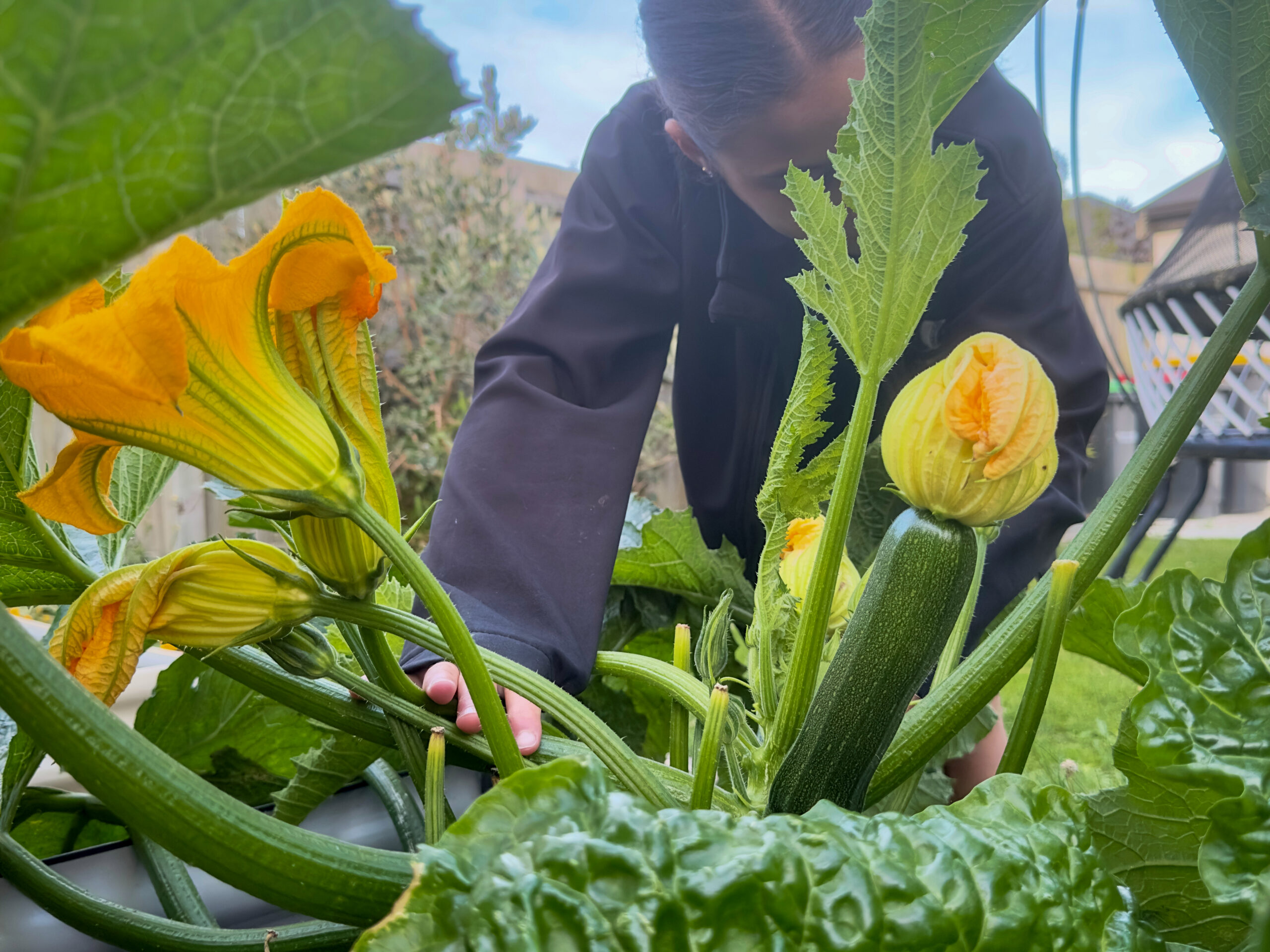
Growing food at home can strengthen connection and awareness, but national food security depends on far more than backyard gardens alone.


The latest happenings in global activities (politics and the Strait of Hormuz) sees us once again faced with the very probable, likely-to-materialise issue of food security. We last encountered this during the global COVID-19 pandemic, where logistics ground to a halt and being located at the bottom of the Earth was both a blessing and a curse.  

As a nation that generates wealth through growing food and fibre why are we so food insecure?  

Food security has many different layers and aspects, too many to unpack here. But a handful of conversations keep re-occurring every time there’s a glitch in the global supply chain.  

First up, we have rolled out with regular monotony the well-intentioned but fundamentally flawed advice of having vegetable gardens as the solution to food security. Now, I have lots of colleagues, friends, and whanau who grow food, forage, and even hunt, and I love that they do this (and especially when they share it – looking at the paua in my freezer).  

But DIY food security isn’t a feasible nation-wide solution. I’ll resist going into depth on why, but a good summary of this is described by Dr Bex on Social Issues in Aotearoa. Essentially, growing food (unless you are a farmer/grower and this is your business, or you own a decent amount of available land) is the domain of the already secure, because they have land and time. Even if you are growing part of your nutritional requirements, it is not a scalable strategy for combatting national levels of food and nutrition hardships.  

Food security and food hardships seem ridiculous in a place like Aotearoa New Zealand, because we literally make a big chunk of our money (GDP) by converting sunlight and water via soil mediated processes into milk solids, selected proteins, some fruits, and non-edible plant materials. We are good at doing this, and the money then goes into buy things like medicines, building materials, and other items that we can’t produce ourselves but that we need to function as a society.  
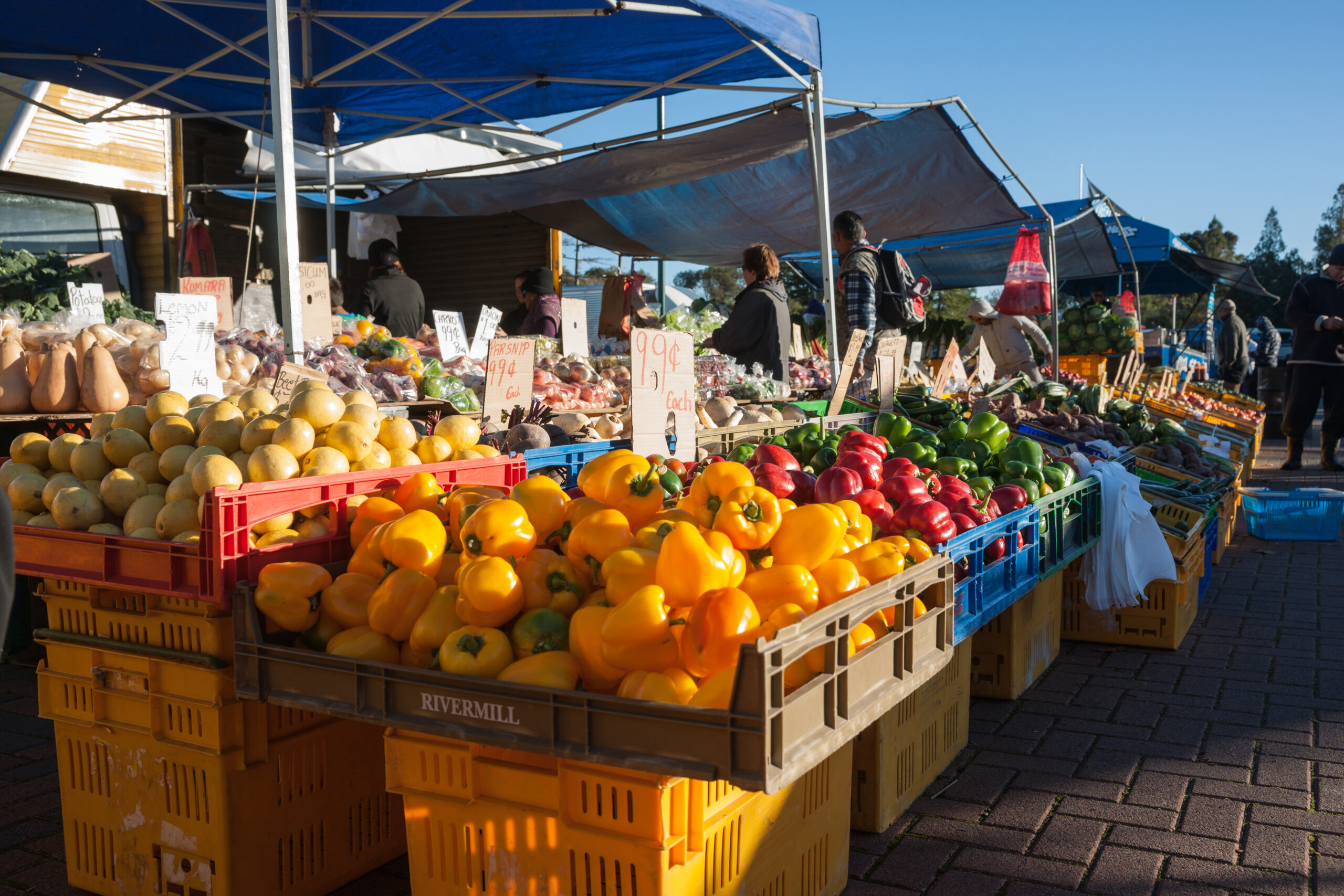
Urban fruit and vegetable market, Rotorua. Stock photo


So why can’t we buy straight from the farm gates? Why can’t farmers sell straight to the public so that, we the consumers, bypass the supermarket duopoly? And why on earth is it cheaper to buy butter made in the United States?  

Let me address the first question – if you live in a place where there are weekend farmers markets and you can afford them, then yes, you can buy local. But these are usually in areas where food security is not a widespread concern. If food security was a concern in these areas, demand would very quickly outstrip supply. Conversely, if every farmer set up shop in the town or city nearest to them, it would be difficult to find enough buyers on the scale that farmers currently produce goods, and the offerings would be very restricted to select milk products, beef, lamb, wine, kiwifruit, honey and some seafood. Sounds like an appealing grocery shop, right?  

Growers produce these specialty products at large scales for international markets, not for local markets. Thus, we as locals are competing against the highest international bidder and because there are increasingly high input costs to produce these, such as energy and fertilizer.  Strong export competition means we as consumers pay global market rates and as a nation that is focused on the international market (as opposed to the United States, which focuses on their domestic market), the domestic consumers (aka us) are competing against the rest of the world for our best products.  And whatever our government could offer in subsidies would be inconsequential compared to what Londoners would be willing to pay for our lamb. 

We are increasingly becoming locked in a cycle of producing limited types of commodities/ingredients for other international businesses to add value. This has its risks, like losing iconic brands such as Anchor, and dairy farmers becoming dependent on the strategies of other overseas businesses. We are also no longer in control of distribution. Most of us get our foods from the supermarket duopoly, the Australian-owned Woolworths and the New Zealand co-operative Foodstuffs. These are a part of international retail chains that buy our food and sell it back to us at a price determined by desired profit margins. Having our food supply dictated by international forces is not only dangerous to food security but also to our environment. After all, it’s not in a multinational company’s best financial interest to bother about protecting the resilience of any one country’s environment when they are in the business of extraction.  

What can we do? Or what should we do?  
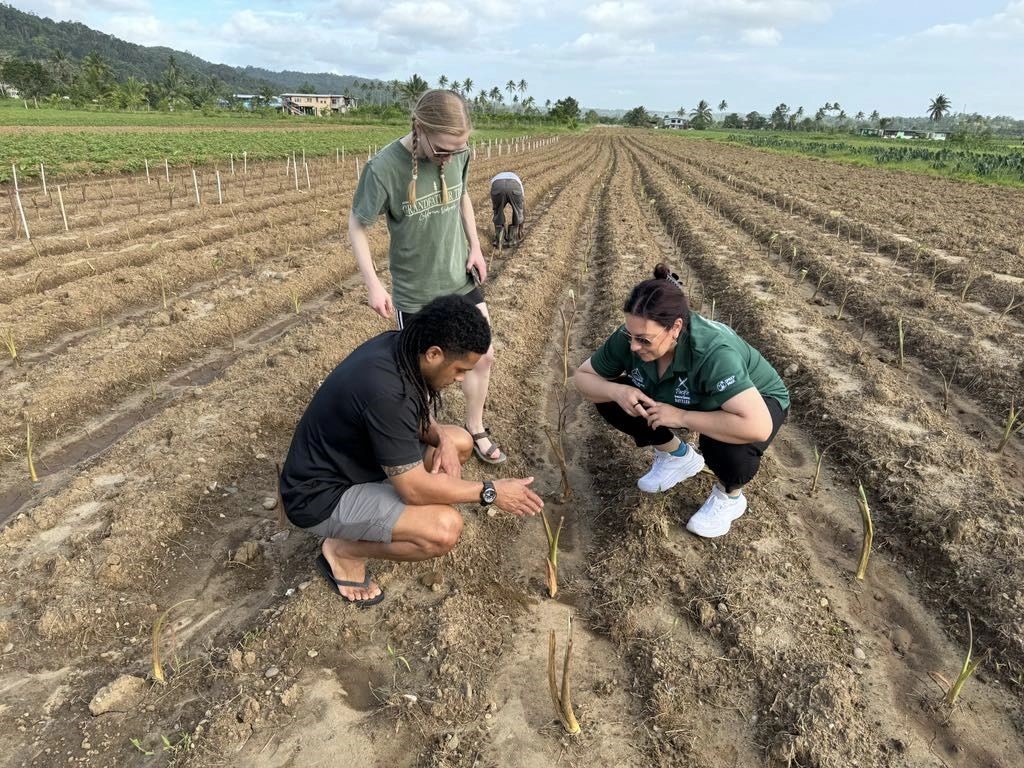
Professor Amanda Black with Dr Alexa Byers and PhD candidate Mesu Tora on taro plantation in Fiji.


The first, best step, as is often the case, is to focus on protecting our environment. Continuing to produce quality food for international markets while also accommodating local need is dependent on maintaining a healthy and resilient environment. The environment is the bedrock of any agricultural system. If we continue to produce food beyond the system’s ability to recover, we will start to lose both economic security and food security.  Focusing on working within the resilience of our systems will build secure, lasting food producing systems for both purposes. Creating these kinds of systems will only be possible if we have equally resilient policies and legislation backed by research to protect our land and waters.   

We need to rebuild our relationship (and social contracts) with our environment and communities.  We need to work towards balancing our need to generate income through selling ingredients to indifferent international markets with our need for accessible food and nutrition that will benefit our communities.   

Building a system that is balanced needs to happen on a scale that is achievable. If it’s too small, it will be difficult to gain momentum. Too large and the risks of missing key connections increase. Working at local and regional scales, we can meaningfully pursue food security and include the groups that are critical to have at the table. 


Gene technologies explained for Aotearoa

Monday, May 25th, 2026

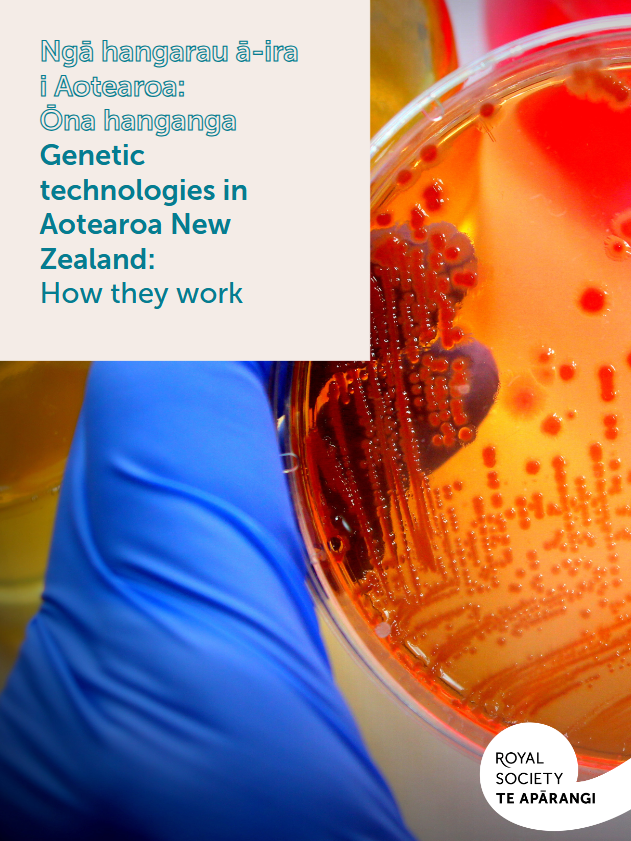
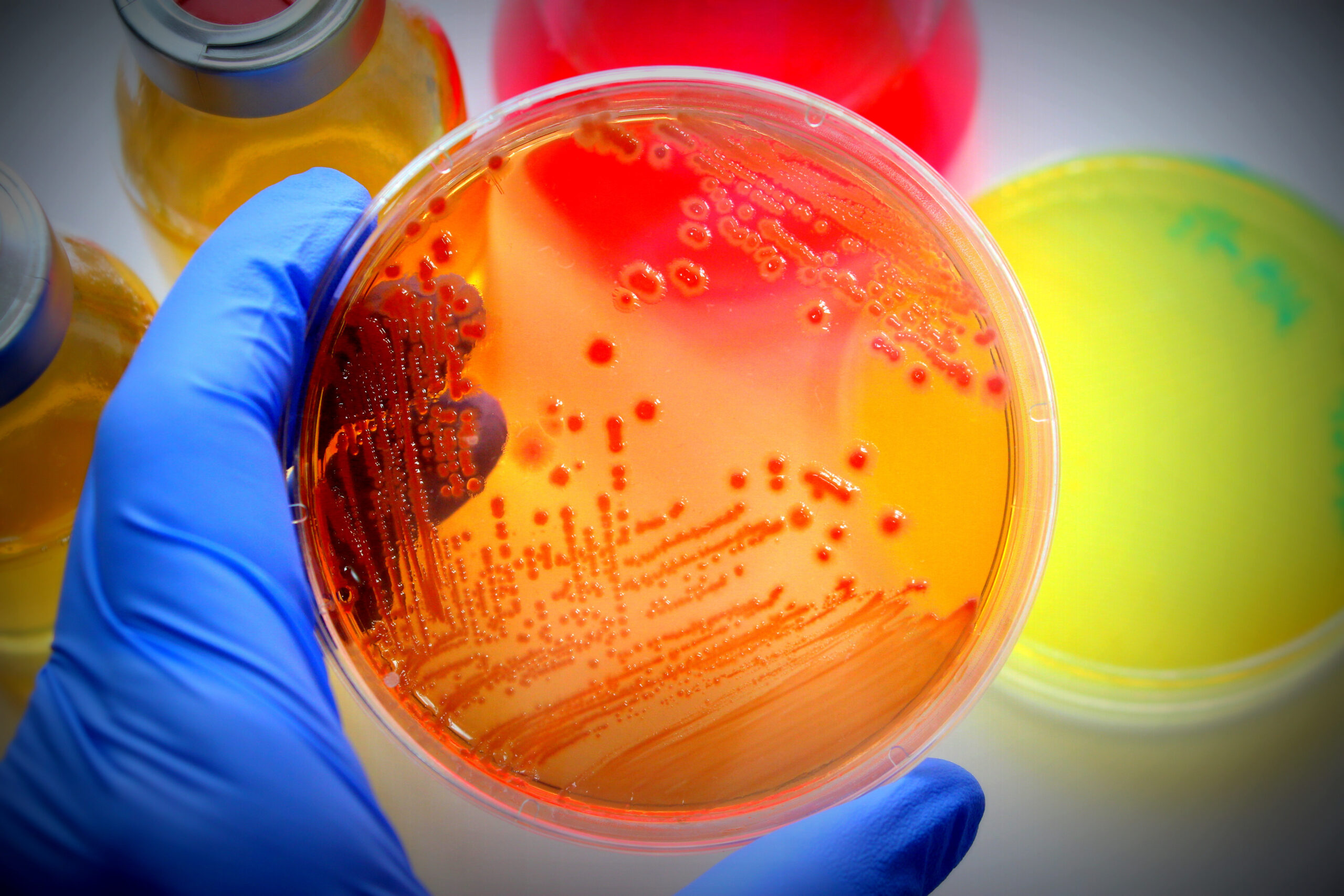
Ngā hangarau ā-ira i Aotearoa | Genetic technologies in Aotearoa New Zealand. What are genetic technologies, and why should we care? Photo supplied by Royal Society Te Apārangi


Royal Society Te Apārangi has released two discussion documents and three posters on genetic technologies in Aotearoa New Zealand. Bioprotection Aotearoa’s Director, Professor Amanda Black, was among the experts who helped shape them. 

Genetic technologies in Aotearoa New Zealand is a peer reviewed discussion document produced by Royal Society Te Apārangi. Their purpose for providing this resource is to present an up-to-date look at the latest in genetic technologies and the ethical and cultural considerations specific to Aotearoa New Zealand.  

Amanda was pleased when she was asked to join the working group. “To be recognised as a Māori wāhine and an expert who can contribute some ethics and values in terms of an indigenous context, that was really nice.” 

Her role was to give some context for how genomic technologies are used in biosecurity and what management considerations are important to Māori and to local communities.   

“It provides context as to how genomics might be important for Māori, biosecurity and management of our environment,” says Amanda. “And a part of that includes the ethics behind where these genetic technologies fit into our Māori context, how they fit within te ao Māori views.” 

It’s this context that Amanda sees as the most important part of this resource, which has been prepared in a way to ensure those who may not have a scientific background can follow along and find meaning.   

“These will be great resources for teachers, classrooms, high schools and undergraduate lectures. They offer context of how these genetic technologies can be used, what is happening right now in the field and what might be possible in the future across healthcare, primary industries, conservation and the environment.” 

As a country with a complicated history when it comes to genetic technologies and particular views around genetically modified organisms, Amanda says we need really good information to make informed choices as to what genetic technologies and tools we are willing to accept and apply. 

“Royal Society Te Apārangi advocates for science in this country and produces so many great resources. But not many people are aware of these resources and that is part of the problem.” 

She encourages everyone to check out these resources.  


Ngā hangarau ā-ira i Aotearoa | Genetic technologies in Aotearoa New Zealand


Access the full resources via Royal Society Te Apārangi website >>


Additional Information

  • Podcast | The great GM Debate

In this episode of Under the Lens, the hosts unpack what genes, gene editing and GM actually are, how they are already used, and what Aotearoa New Zealand’s new Gene Technology Bill could mean for our environment, our food, and our future.

Watch here >>

  • Article | De-extinction is a fairytale, not a substitute for conservation

What does it really mean to “bring back” an extinct species? In this thought-provoking op-ed, our Director, Professor Amanda Black explores the growing global push for de-extinction, from the so-called return of the dire wolf to ambitious plans to resurrect the moa here in Aotearoa — and asks what’s at stake when science begins rewriting extinction itself.

Read here >>

May 2026 Newsletter

Sunday, May 24th, 2026

READ THE FULL NEWSLETTER HERE


Sign up below to get our latest Pānui with updates on news, events, and opportunities delivered straight to your inbox.

Newsletter

Name

Rangahau Rising Webinar August 2026

Friday, May 22nd, 2026

Wednesday 19 August, at 1:00 pm

More details coming soon.

Please check back here for the registration link.


More Information

Research: Learn more about Nicola’s aligned doctoral research with Bioprotection Aotearoa.

Find out more >>


About Rangahau Rising Webinar Series

Rangahau Rising is a webinar series showcasing emerging researchers who are asking bold questions and exploring new directions in bioprotection. Each session features an early career researcher sharing their journey, ideas, and in-progress work across a range of bioprotection topics.

View the series >>

Rangahau Rising Webinar July 2026

Friday, May 22nd, 2026

Wednesday 15 July, at 1:00 pm

More details coming soon.

Please check back here for the registration link.


More Information

Learning from the past for bioprotection futures: Understanding the roots of Aotearoa New Zealand’s biosecurity system through historical analysis of emerging concerns about pests and weeds.

Learn more about Salene’s postdoctoral research with Bioprotection Aotearoa.

Find out more >>


About Rangahau Rising Webinar Series

Rangahau Rising is a webinar series showcasing emerging researchers who are asking bold questions and exploring new directions in bioprotection. Each session features an early career researcher sharing their journey, ideas, and in-progress work across a range of bioprotection topics.

View the series >>

Rangahau Rising Webinar September 2026

Wednesday, May 20th, 2026

Wednesday 16 September, at 1:00 pm

More details coming soon.

Please check back here for the registration link.


More Information

Research: Resilience Agroforestry for Pacific Communities – Exploring how agroforestry can strengthen climate resilience and support Pacific communities through sustainable land use.

Learn more about Suli’s research with Bioprotection Aotearoa.

Find out more >>


About Rangahau Rising Webinar Series

Rangahau Rising is a webinar series showcasing emerging researchers who are asking bold questions and exploring new directions in bioprotection. Each session features an early career researcher sharing their journey, ideas, and in-progress work across a range of bioprotection topics.

View the series >>

Annual Report 2025

Tuesday, May 5th, 2026

PDF file, 6.46 MB

Download Now >>


It’s 2025 and the next phase of our research is underway. With a new cohort of early career researchers getting started on their projects, Tranche 2 (2025-2028) is poised to continue the legacy built from the first tranche researchers and their mahi. Our 2025 Annual Report showcases that, packed with stories of our activities and impact over the course of the year.

Research:

In previous annual reports we shared stories that spotlight the breadth of research emerging from various locations around the motu. This time, we expand on this, sharing  research emerging from various lab groups around the country. Four lab-based researchers who supervise students from Bioprotection Aotearoa tell us how their research contributes to the bigger vision of our work.

Emerging leaders:

For five of our postdoctoral fellows, their training has continued into our second tranche with an opportunity to become a co-lead of a research project. Alongside a senior co-lead, these emerging leaders now take on the role a mentor of students who are conducting projects in Tranche 2.

One year on, we sat down with them to find out what its been like to sit on the other side of the desk and asked them to reflect on their own leadership development. Find out what they had to say.

Community:

We continue to explore a variety of ways to connect our research with communities. In April 2025, we hosted our second hui for the communities of Horomaka Banks Peninsula and in July we launched our new webinar series Rangahau Rising, showcasing the mahi from our early career researchers.

But for three of our senior researchers, they found themselves communicating across a new kind of platform – a podcast. Find out more about the uptake and response of Under the Lens.

Pathways:

The future of bioprotection depends on the next generation choosing it. However, not all primary and secondary school students know about the training pathways into bioprotection research. In 2025, Bioprotection Aotearoa launched a new outreach programme offering a snapshot into what bioprotection research could look like for four young students. Find out how this experience changed their trajectory of thinking as to what career in science as could look like.


Read the full annual report now >>


Request a printed copy

Would you like a physical copy to enjoy?

Email us with your name, address and the number of copies you require.


Meet the 2026 Te Kete Aronui awardees

Sunday, May 3rd, 2026

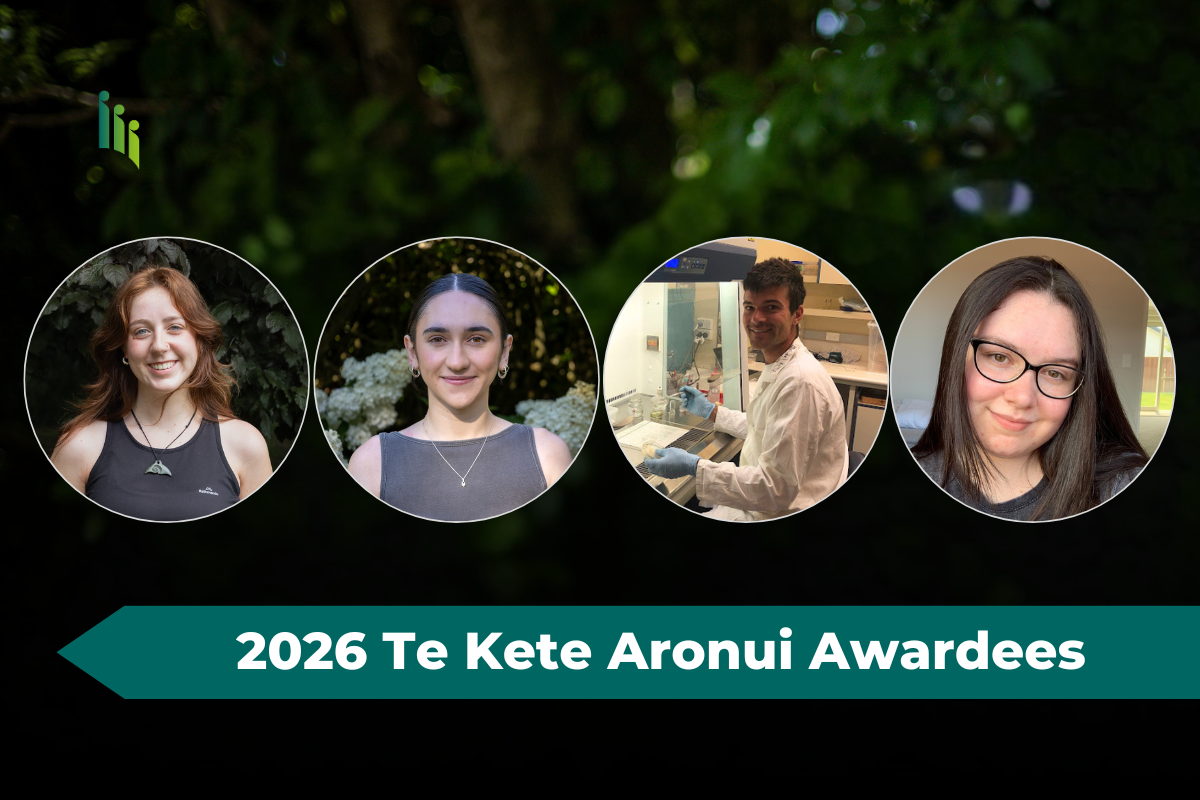
Autumn Lindsay, Jaymee Anahera Shadbolt, Michael Riley and Lyn Young.


For the first time, we’ve been able to give four of our summer scholars an extra career boost with the Kete Aronui Award. These scholars—Autumn Lindsay, Jaymee Shadbolt, Michael Riley, and Lyn Young—were each awarded $2,500.

Deputy Director, Dr Sylvia Nissen (Lincoln University), noted that all the applications she received for the award were very strong, but these applications were a step up from the rest.

“This achievement reflects not only their hard work but also their ambitions to be contributors to the future of bioprotection research and innovation,” says Sylvia.

As a way of meeting our awardees, here are some edited selections from their larger applications. We hope they provide a taste of the continued impact of their work and the contributions they will make in this field.


Autumn Lindsay

I was looking at the ectomycorrhizal morphotype diversity with Pinus radiata (supervised by Nicola Day).

Looking back, this scholarship has given me far more than technical experience. It gave me a new academic direction, a deeper understanding of ecological research, and a much clearer understanding of myself and the work I find meaningful and worth pursuing. I had not anticipated being so drawn in, but exposure to the complexity of soil ecology and the ability to experience it hands-on made it impossible to ignore the growing interest. Even while focusing on a relatively small component of a much larger system, I was struck by how ecologically significant that small-scale work really was. That shift pushed me to reconsider what I considered important in ecology and what drove my interests.

One of the clearest indicators of how much my engagement had changed was the extent to which my curiosity became self-sustaining. I stopped seeing the project simply as something I had been assigned to do and became genuinely invested in the questions it was raising—thinking not just about how to complete the work, but what the samples might reveal, what patterns might emerge, and why those patterns mattered. For me, seeing a project through to completion is not simply about responsibility or work ethic, although those matter, but also a genuine desire to pursue understanding as completely as is within my means.

Moving forward, I want to continue building towards a career in scientific research and conservation, particularly work that contributes meaningfully to understanding and protecting ecological systems in Aotearoa New Zealand.


Jaymee Shadbolt

As a BA Summer Scholar, I examined Māori perspectives on biosecurity, supervised by Raven Cretney and Aline Carrara at Lincoln University.

As I settled into being a BA Summer Scholar, I began learning how to do research. Not just reading articles, but finding information, organising, coding, and making sense of it. I learnt how to pull ideas together and carry them through my writing in a way that told a story. Finalising my report, presenting, and experiencing the process from beginning to end gave me a sense of what research involves.

More personally, the most significant part of my journey was exploring my connection to being Māori. I developed a deeper understanding of Te Ao Māori and the interconnectedness of everything. I began to see clearly why biosecurity matters, not just in an environmental sense, but in a cultural, social, and intergenerational one. Once I understood, it became impossible to see biosecurity as anything less than critical. This connection to something beyond myself gives this pathway meaning for me. I want to pursue a career that contributes positively to the world, and this experience has shown me that this space allows me to do that.

Looking forward, I have developed a genuine curiosity for research, finishing this experience with more questions than I started with. Research wasn’t something I had seriously considered before, but I now see it as a real and exciting pathway. Similarly, I see biosecurity as a viable and meaningful pathway that sits at the nexus of my different areas of study.


Michael Riley

For my BA summer scholarship I worked at the Bioeconomy Science Institute in Rotorua, supervised by Dr Rebecca McDougal. I investigated biological control agents for forest nursery pathogens, with the aim of identifying biological control candidates for sustainable disease management.

My background isn’t typical for a plant pathologist, but I believe that is exactly why I have something new to bring to the table. After a decade in the construction industry, I began growing mushrooms as a hobby, but my interest grew rapidly. Before long, I had put my tools down and committed to formal study. I am now a third-year Bachelor of Environmental Science student at the University of Waikato, majoring in Ecology and Biodiversity. Alongside this, I founded Mushroom Bay, a small-scale gourmet mushroom business.

Through this process, I saw strong parallels between laboratory work and the natural systems I engage with outside of science. Observations made under the microscope mirrored those I see in ecosystems, where organisms are constantly competing, adapting, and coexisting. This reinforced my interest in understanding microscopic interactions not only in controlled environments, but within the complexity of real-world systems.

Looking ahead, I aim to deepen my understanding of plant–pathogen interactions by combining scientific methods with field-based observation. I am particularly interested in pursuing post graduate study in a remote region of Asia, where many of the exotic pathogen and pest species present in Aotearoa originate, and where long-established productive forest systems and management practices offer insights into resilient ecosystems.


Lyn Young

I undertook a BA Summer Scholarship at the Bioeconomy Science Institute in Lincoln, supervised by Dr Virginia Marroni. My project focused on the phylogenetics and epidemiology of the bacterium responsible for bacterial spot disease in Prunus species.

I came into the scholarship having just completed my undergraduate degree, with laboratory experience almost entirely by structured fortnightly lab sessions with predetermined, fail-safe results. The BA summer scholarship felt like a turning point for me. I was able to build substantially on the core skills I had gained during my undergraduate, while learning how real-world research actually works.

Part of what made the experience most meaningful was seeing the work in connection with the people it affects. Visiting local walnut growers and hearing about treatment trials directly gave the research meaning for me. These growers were losing 80-90% of their harvest yield for the year, with little compensation for participating – and yet they chose to. While detrimental in the short-term for them, trials are ultimately an investment in the future of their orchards. Hearing their reasons for collaborating with our work left me with a lot to think about.

My next step is completing my Honours thesis this year – which was directly shaped by the scholarship. I see Honours as my path to entering industry research, building computational and analytical depth to compliment the practical confidence I gained throughout the scholarship – all preparing me for the kind of applied CRI environment I hope to work in long-term.


Additional Information

  • Summer Scholarships

We regularly share bioprotection insights and upcoming opportunities with our newsletter subscribers. To be the first to hear when the next round of Summer Scholarships opens, sign up for our newsletter.

Sign up here >>

  • Outreach

To learn more about our outreach and engagement programmes with tertiary students, schools, iwi, hapū and community groups, explore our projects.

Learn more about our school community outreach >>

PhD delivers new insights and meaningful career steps

Tuesday, April 28th, 2026

PhDs are a journey. Polina’s journey was longer than most, but it has delivered fascinating new knowledge that may be useful in future fights against Pseudomonas syringae pv actinidiae (Psa), the disease that impacts kiwifruit. It is also a journey that led Polina to an emerging career in research, which is what she really wanted.  

Polina successfully defended her PhD in February and is graduating in May.  

“It’s a big relief,” says Polina. “It was a big chunk of work.”  

Originally from Israel, Polina came to New Zealand almost four years ago to start her PhD. Her start date was delayed due to COVID, so the May graduation day will be exactly six years from when she got confirmation of her acceptance to the position.  

Evolving goals 

The overarching goal of Polina’s PhD was to explore the bacterial communities that naturally colonise kiwifruit leaves—in other words, the kiwifruit microbiome. 

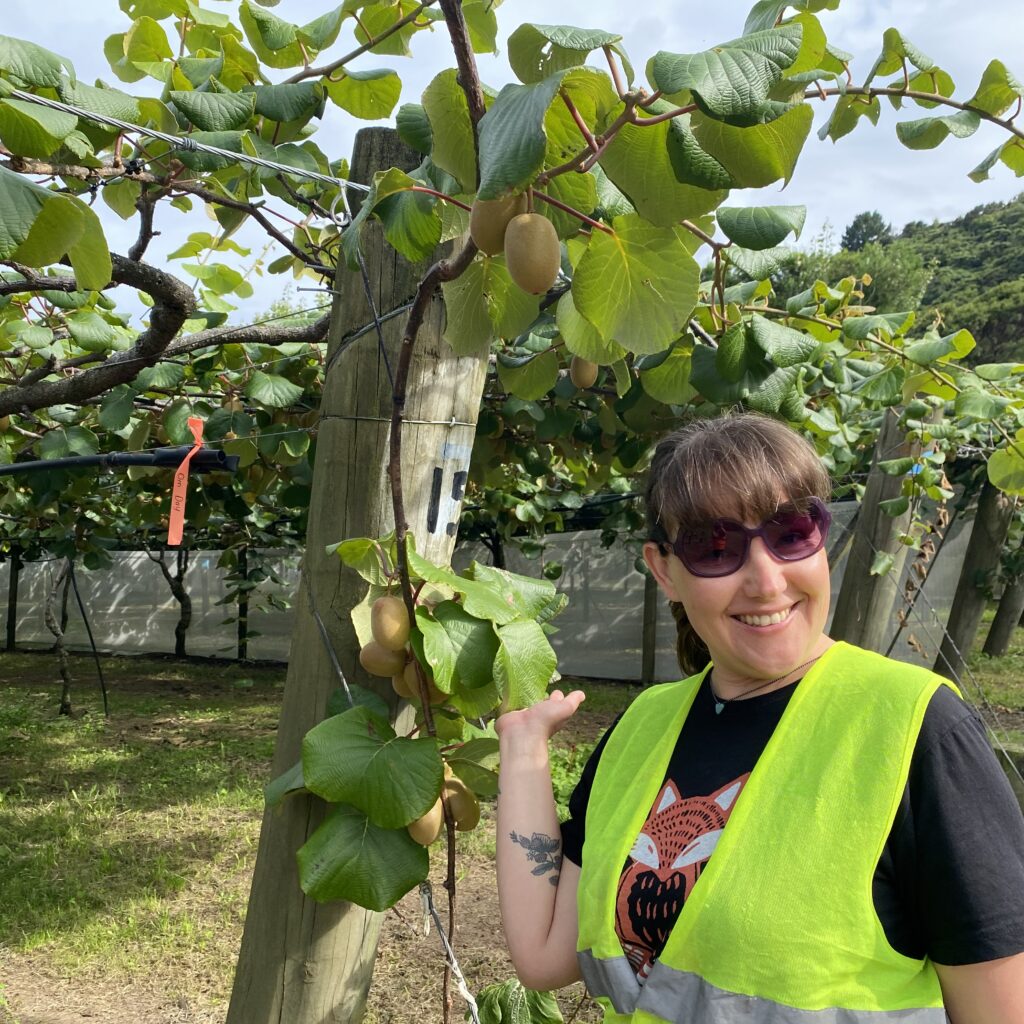
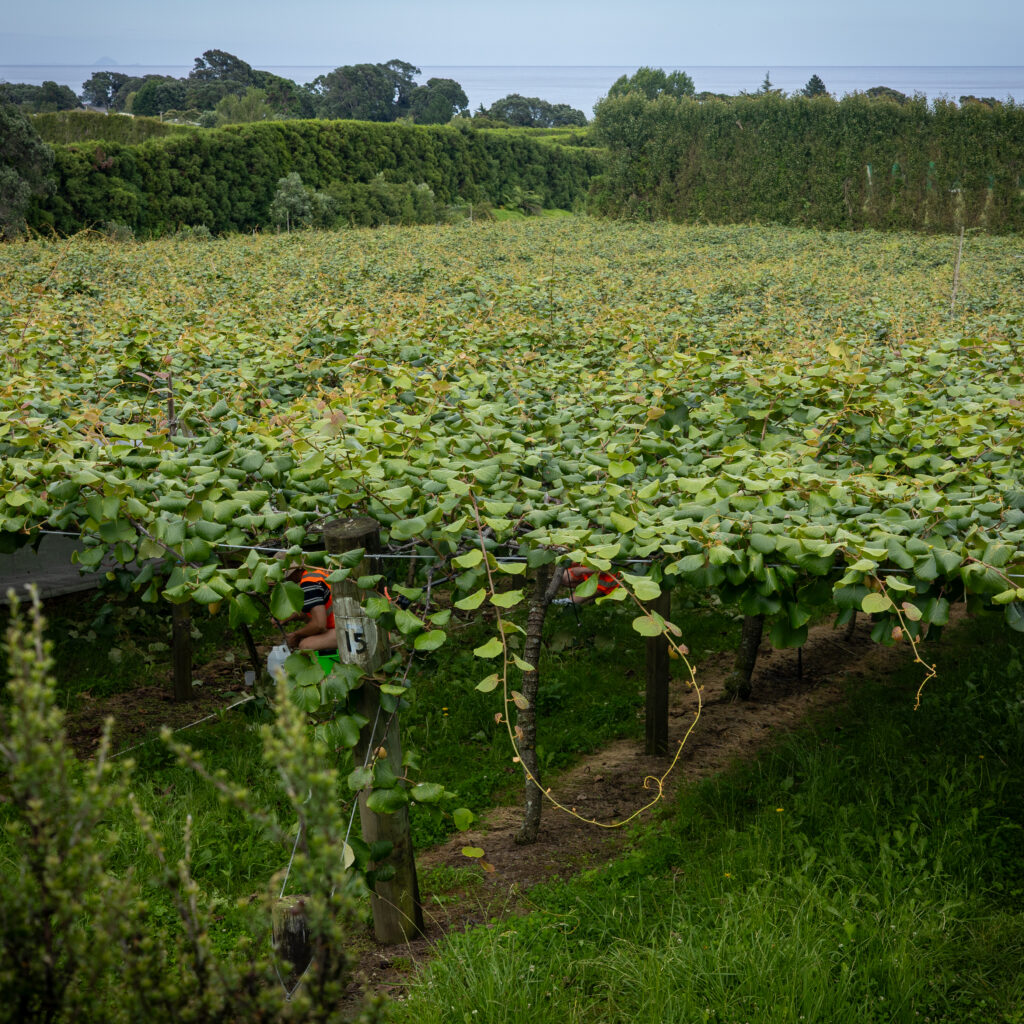
For her first chapter, Polina conducted a community sequencing study comparing bacterial communities in kiwi orchards surrounded by native bush with those surrounded by agricultural fields. By comparing communities, Polina was hoping to discover whether nearby native plants help recruit bacteria that are more beneficial for the plants. 

Although the communities she compared did indeed have differences, the differences were small. Instead of continuing her investigation at a community level, Polina decided to zoom in and isolate individual bacteria that might be antagonistic to the pathogen Pseudomonas syringae pv. actinidiae (Psa).   

“I collected bacteria, identified them to a genus level using Sanger sequencing, and screened them against Psa,” says Polina.  

One screening method she used was to test how Psa behaved in the presence of a neighbouring bacterium on the same petri dish.  

“I found a few strains that were actually inhibiting Psa,” says Polina.  

Psa has a highly developed chemosensory system that enables it to easily sense nutrients. On its own, it will move several millimetres a day towards nutrients.  

“On the leaf, Psa enters the plant through the stomata,” says Polina. “It has this ability to sense those nutrients inside the leaf and enter the leaf.” 

However, in the presence of several specific bacteria that Polina isolated, it moved more slowly and, in some cases, moved around the neighbouring strain, as if Psa was avoiding direct contact with its neighbour. When some of Polina’s bacterial antagonists were present in high concentration, Psa would not move towards nutrient sources.  

“It was able to swim, it just didn’t seem to locate the nutrients and swim towards them.” 

For Polina, this was the most exciting finding of her PhD. 

“The bacteria I found probably won’t stop the disease completely, but at least they slow it down.”  

A balancing act 

PhDs generally have three substantial research chapters. Polina’s second chapter, which resulted in the most impactful discovery, took her much longer than she expected. With six months left to go on her PhD, Polina decided that the best balance between time, investment, and outcome was to conduct a whole genome sequencing of six of these interesting bacteria species.  

Now that she’s finished with her PhD, Polina is currently working to publish two short papers announcing the sequencing and assembly of the genomes of these bacterial Psa antagonists. 

“I don’t know if they’re native to New Zealand, because we isolated them from kiwifruit, so they might be present on kiwifruit in other areas as well,” says Polina. “We can’t tie them to known species, but to prove that they are new species would require further investigation.”  

While she works on getting those papers published, Polina is continuing as a research assistant in the same lab where she completed her PhD.  

“I’m studying another plant pathogen, Phytophthora agathidicida,” she says. “I am working with the team to explore compounds that may inhibit it.”  

Finishing a PhD can bring up a range of emotions. Polina’s main emotion seems to be that of contentment.  

“I’m happy to be a part of meaningful research.” 


Additional Information

  • Research

To learn more about Polina’s PhD on the kiwifruit microbiome, visit her research page.

Learn more about the research >>

  • Podcast

Listen to our podcast Under the Lens to learn more about bioprotection against the pathogens Psa (episode 02) and Phytophthora agathidicida (episode 03).

Listen here >>

Emerging scientists tackle biological threats in ten-week bioprotection mentorship: Summer Scholars 2026

Monday, April 20th, 2026

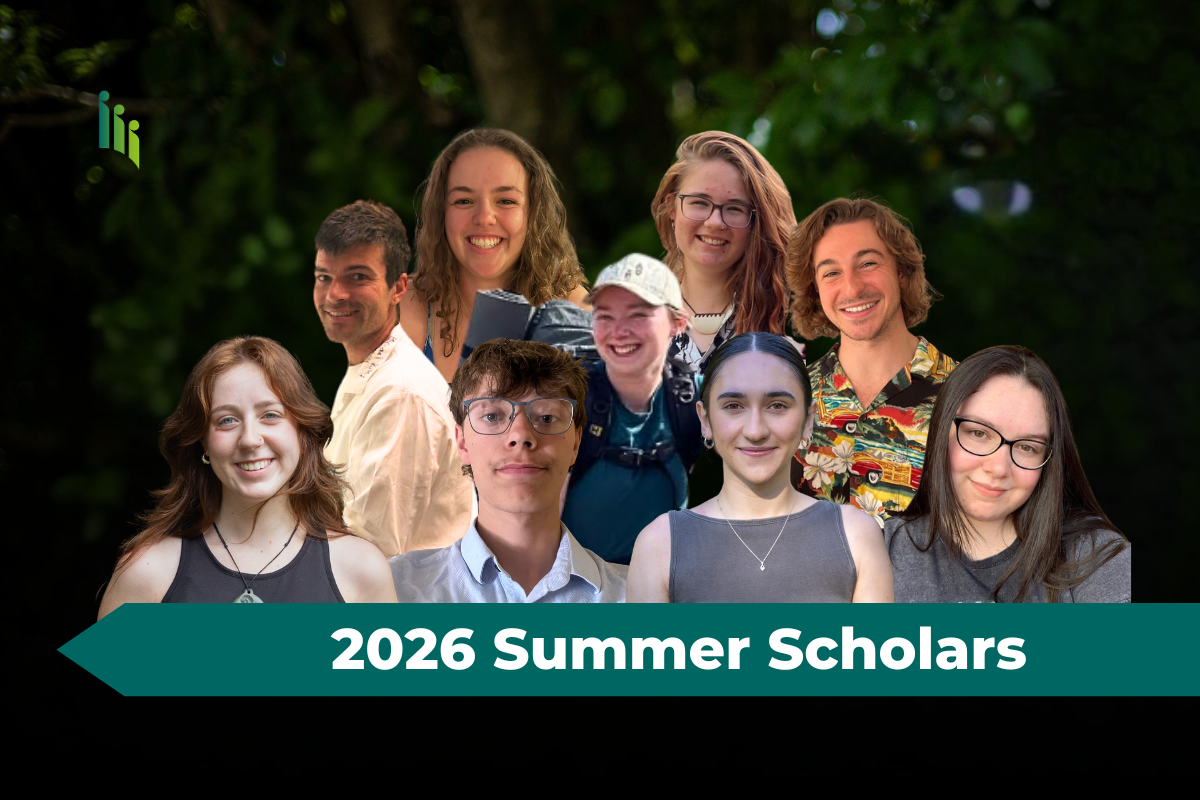
Nine Summer Scholars presented their work, from top left: Rose Thompson, Amie Cummack, Michael Riley, Jessica Przychodzko, Tim Thevenon, Autumn Lindsay, Harry Norris, Jaymee Anahera Shadbolt, and Katelyn Rose Young.


The 2026 cohort of Summer Scholars presented findings from a summer of research on biological threats at an online event hosted by Deputy Director, Dr Sylvia Nissen (Lincoln University). 

“We had fantastic presentations from our scholars throughout Aotearoa,” said Dr Sylvia Nissen, “and a great range of research projects, spanning from the microbes that support the resilience of forests, to evaluations of the biosecurity system itself.” 

The Summer Scholarship programme is an annual internship coordinated by Bioprotection Aotearoa to support the next generation of researchers into mentored research experiences. Each year, undergraduate students are paired with a bioprotection researcher to work on a real-world field, lab, or literature project over ten weeks.  

“It’s been really amazing,” Jaymee Anahera Shadbolt said about her project and mentorship team. Jaymee reviewed legal and academic literature to understand if the current biosecurity system allows for Māori authority in bioprotection decisions.   

“All in all, every step that I was exposed to demonstrated to me how applied plant pathology integrates field ecology, laboratory experimentation, and molecular tools, giving me a better perspective of how science is applied in the real world,” said Michael Riley. Michael evaluated biological controls for Phytophthora and Colletotrichum, two plant pathogens.

The programme creates the conditions for rigorous yet rewarding experiences to encourage students to pursue their interest in science careers.  

Tim Thevenon explained, “As a young scientist, it was an invaluable experience to be exposed to the whole scientific process.” Tim researched differences in kānuka ectomycorrhizal fungi between drought, flooded and mesic conditions. 

“It was great fun, I had a blast,” said Harry Norris of his investigation into Pheidole megacephala as a potential genetic model for control of invasive Hymenopterans. 

Watch all Summer Scholar presentations on YouTube: 


Te Kete Aronui: The science journey continues 

For the first time this year, Bioprotection Aotearoa will support four Summer Scholars to continue their learning journey in science or related fields with a Kete Aronui Award. 

“The passion and quality of our Summer Scholars’ presentation was the inspiration behind establishing this award,” said Director Amanda Black. “We hope this award can support them to continue their journey in bioprotection pathways and hopefully postgraduate studies.” 

Within te ao Māori, Te Kete Aronui is one of the three baskets of knowledge retrieved by Tāne, representing knowledge grounded in observation, creativity, reflection, and connection to the environment. It reflects a way of learning that goes beyond technical ability, recognising the importance of purpose, people, and place. 

Stay tuned for an announcement of our four Te Kete Aronui Award recipients. 


2025-2026 Summer Scholars: 

1. Amie Cummack, University of Auckland 

Shady characters: traits of recently naturalised plant species in Aotearoa 

2. Harry Norris, University of Otago 

The use of Pheidole megacephala as a genetic model for other Hymenoptera 

3. Tim Thevenon, University of Canterbury 

Ectomycorrhizal colonisation of kānuka trees in drought and flooding treatments 

4. Autumn Lindsay, Victoria University of Wellington 

Ectomycorrhizal morphological diversity in Pinus radiata 

5. Katelyn Rose Young, University of Canterbury 

Diversity of Xanthomonas arboricola pv. pruni (Xap): from DNA to disease 

6. Jaymee Anahera Shadbolt (Ngāi Tahu, Ngāti Kahungunu, Ngāti Porou, Te Arawa), University of Canterbury 

Kia whakatōmuri te haere whakamua: recognition without authority in biosecurity governance and decision-making in Aotearoa 

7. Michael Riley, Toi Ohomai Institute of Technology 

Screening novel agents for control of forest nursery pathogens 

8. Rose Thompson, University of Otago 

Sex determination using doublesex and transformer in Polistes dominula 

9. Jessica Przychodzko, Lincoln University 

The wrong pitch: is biosecurity information too complex to understand? 

10. Martina Kassandra Reinbach, University of Auckland 

Reducing populations of invasive Vespula wasps in the Waitākere Ranges 


Additional Information

  • Kete Aronui Award

Our four Kete Aronui Award recipients have been announced.

Learn about the Kete Aronui awardees >>

  • 2026 – 2027 Summer Scholarships

We regularly share bioprotection insights and upcoming opportunities with our newsletter subscribers. To be the first to hear when the next round of Summer Scholarships opens, sign up for our newsletter.

Sign up here >>